Wednesday, April 28, 2021

We Spent Way Too Many Hours On Amazon Digging Up These 54 Fashion Steals

Despite being the biggest e-tailer known to man (with something like 300 million users), Amazon isn't exactly easy to navigate. Anyone who's spent hours scouring pages of padded headbands can attest to that. We get it, there's no simple way to organize 3 billion products on a single website. But c'mon, Bezos. Help a girl (and her search for the perfect $3 headband) out.

Since we might be waiting a while for the tech team over at Amazon to solve our shopping woes, a temporary solution will have to do — that solution being us scrolling through a blinding number of product pages until we find a treasure trove of stylish, affordable gems. Ahead, check out 54 of this season's biggest trends, from mock croc baguette bags to the under-$30 version of that leopard faux fur bag, that you can score on Amazon for next to nothing.

At Refinery29, we’re here to help you navigate this overwhelming world of stuff—and, while we do receive commission from Amazon, all of the goods linked to on our site are independently curated by our Shopping team editors.


YeGieonr Gold Smiley Face Ring, $, available at Amazon


Meladyan Sheer Mesh Crop Cardigan, $, available at Amazon


ADE Rectangle Sunglasses, $, available at Amazon


MISSACTIVER Mushroom & Rhinestone Crop Tank Top, $, available at Amazon


EQUICK Soft Cushioned House Slippers, $, available at Amazon


Taouzi Face Mask Lanyard Strap, $, available at Amazon


Awoscut Sleeveless Tie Dye Rib Knit Crop Tank Top, $, available at Amazon


XYJZXY Colorful Chunky Resin Rings, $, available at Amazon


Muineobuka Argyle Plaid Mini Dress, $, available at Amazon


Kalkehay Detachable Dickey Collar (2-Pack), $, available at Amazon


Top Band Reversible Bucket Hat, $, available at Amazon


New Balance 990 V5 Sneaker, $, available at Amazon


WDIRARA Cow Print High Waist Jeans, $, available at Amazon


YHXX YLEN Candy Color Snap Barrettes (80 Pc), $, available at Amazon


Heathyoga Bootcut Yoga Pants, $, available at Amazon


LecAit Pearl Pendant Smiley Toggle Necklace, $, available at Amazon


Mellshy Faux Fur Shoulder Bag, $, available at Amazon


Glamaker Lace Camisole, $, available at Amazon


Baggu Reusable Shopping Bag, $, available at Amazon


Circus by Sam Edelman Giovanny Combat Boot, $, available at Amazon
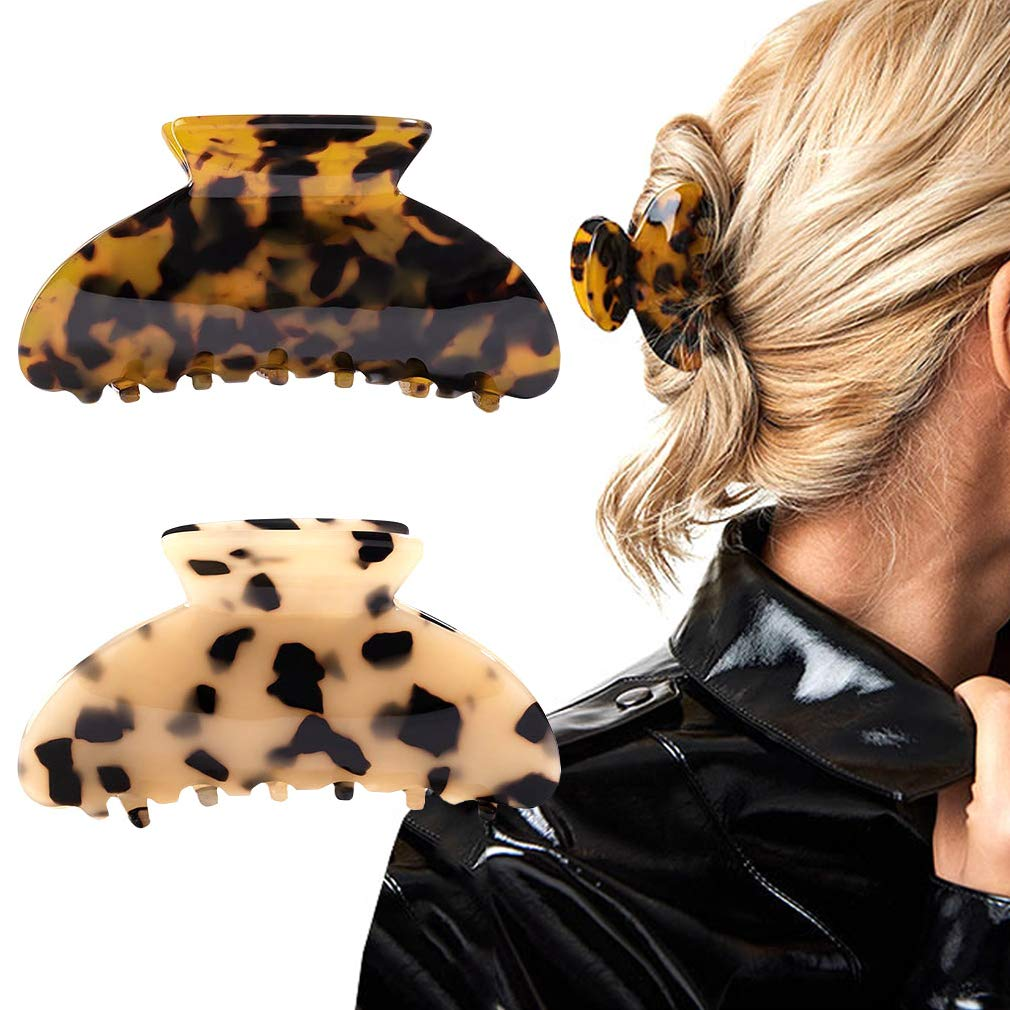

Aileam Tortoise Banana Claw Clips, 2Pk, $, available at Amazon
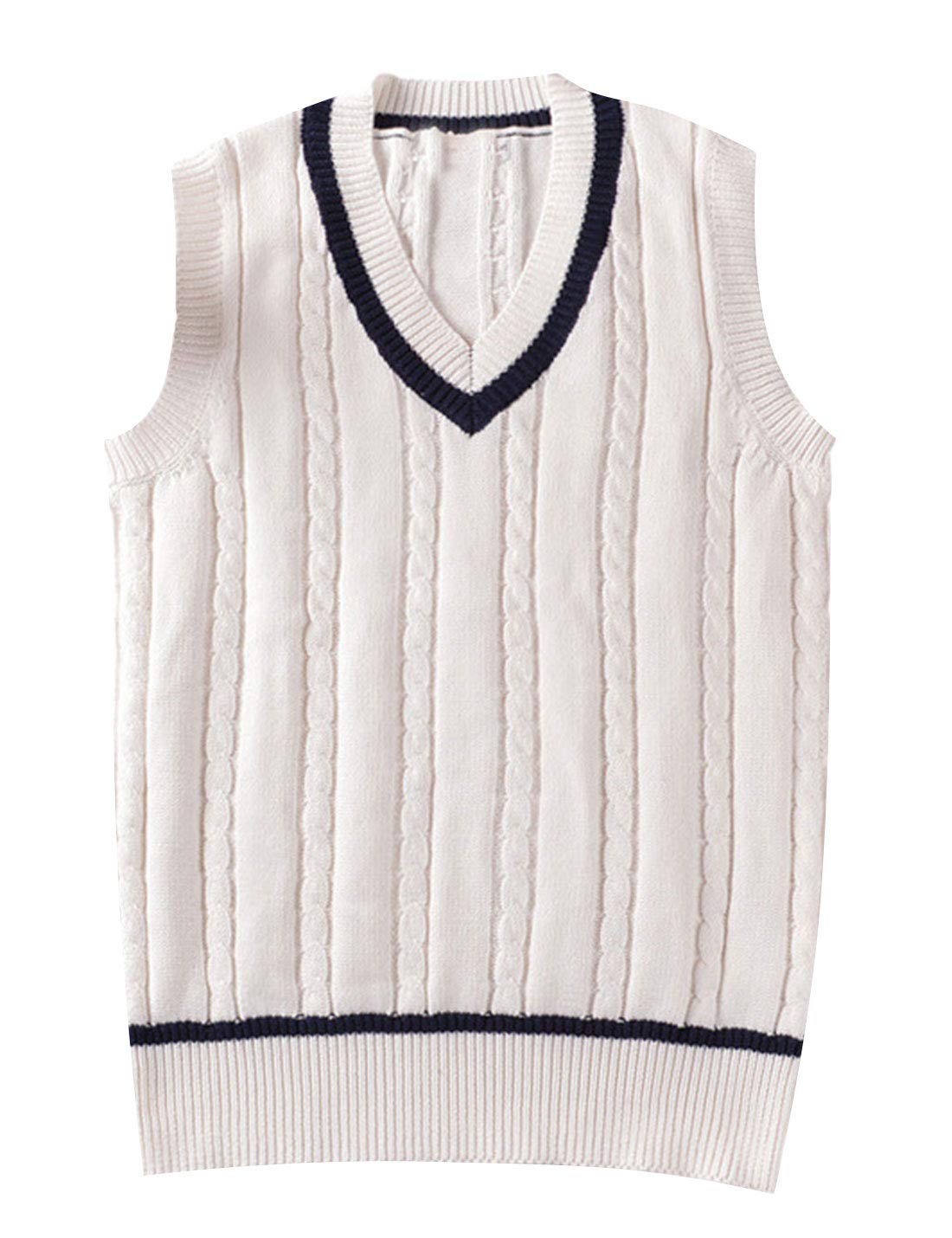

PUWEI Vintage V-Neck Cable Knit Sweater, $, available at Amazon
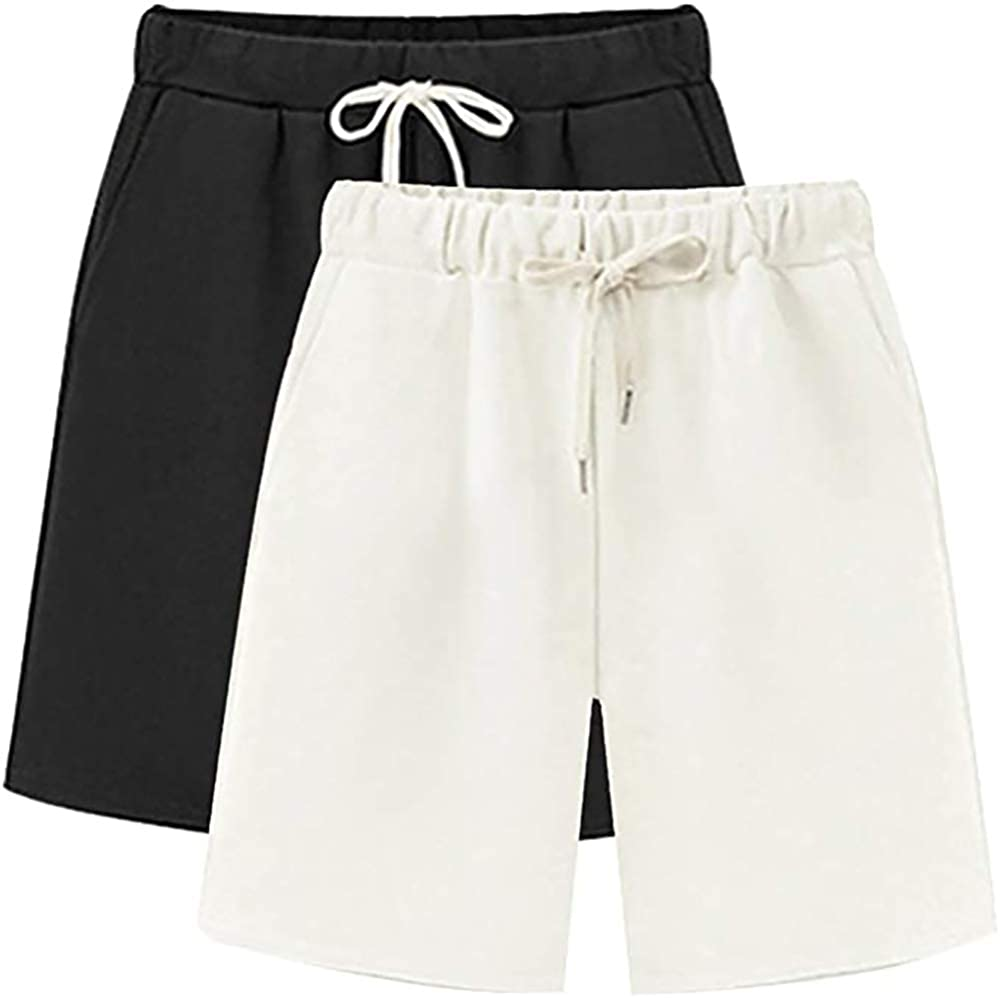

Sobrisah Knit Bermuda Shorts, $, available at Amazon
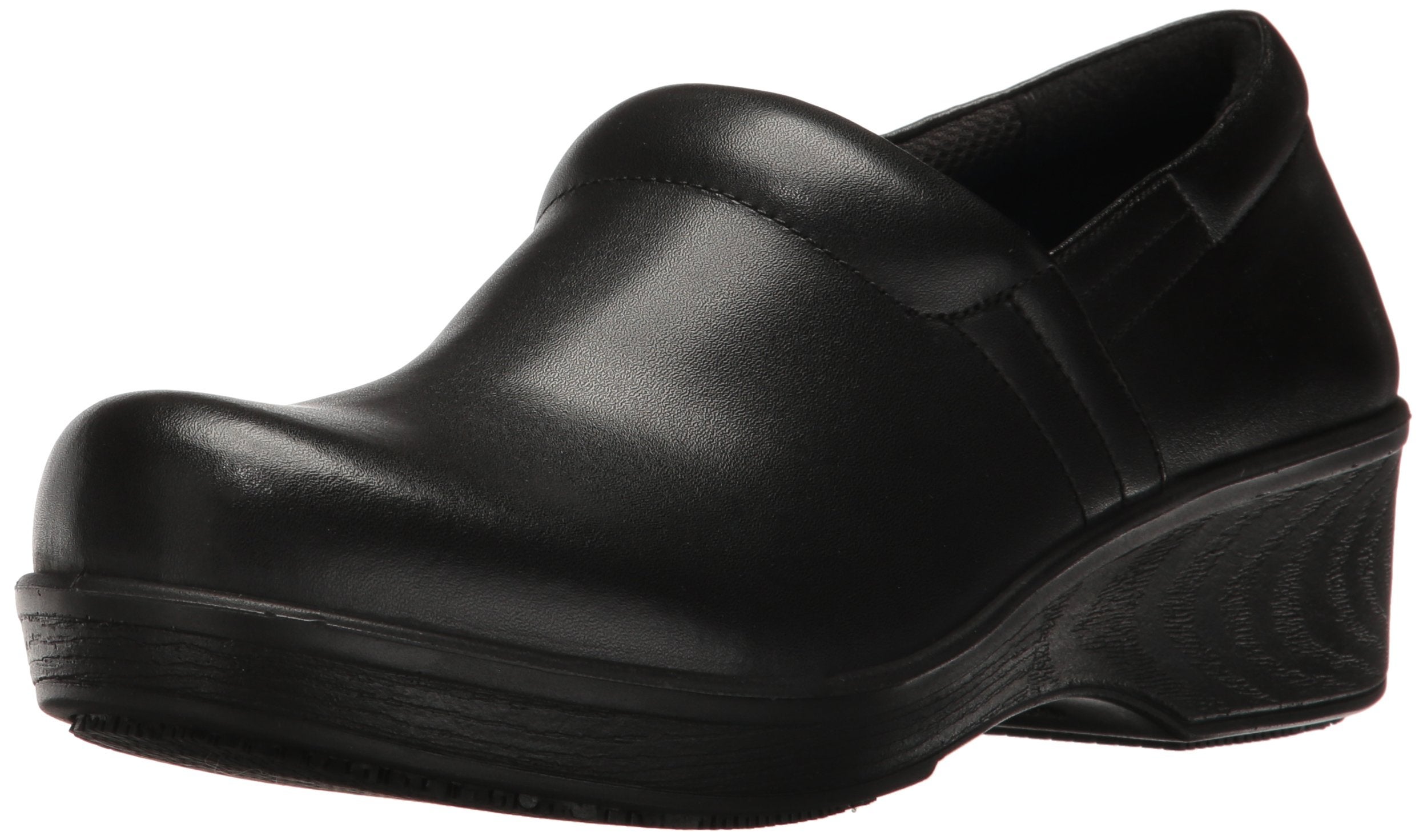

Dr.Scholl's Dynamo Work Shoe, $, available at Amazon


JW PEI Vegan Leather Crocodile Handbag, $, available at Amazon


Revolt Baggy Straight Leg Twill Overalls, $, available at Amazon
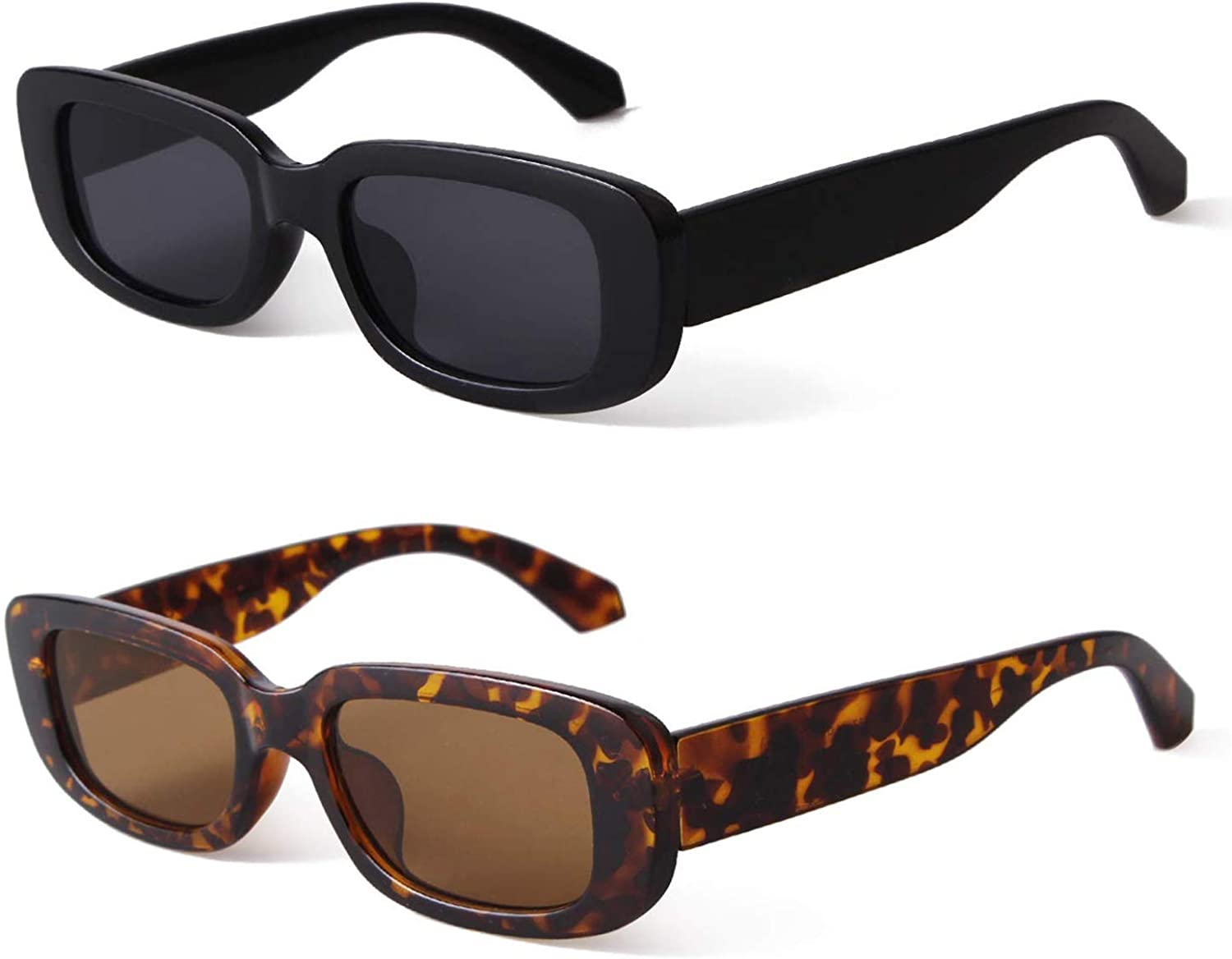

BUTABY Rectangle Sunglasses, 2Pk, $, available at Amazon


Aileam Bowknot Velvet Hair Scrunchies (6-Pack), $, available at Amazon


MCool Mary Ruffle Turn-Cuff Ankle Socks, 6 Pack, $, available at Amazon


Canyon Trails Embroidered Western Cowboy Boots, $, available at Amazon


Folora Padded Velvet Headbands, 2 Pack, $, available at Amazon


Calvin Klein High Rise Straight Fit Jeans, $, available at Amazon


Skechers D'Lites Original Non-Memory Foam Lace-Up Sneaker, $, available at Amazon
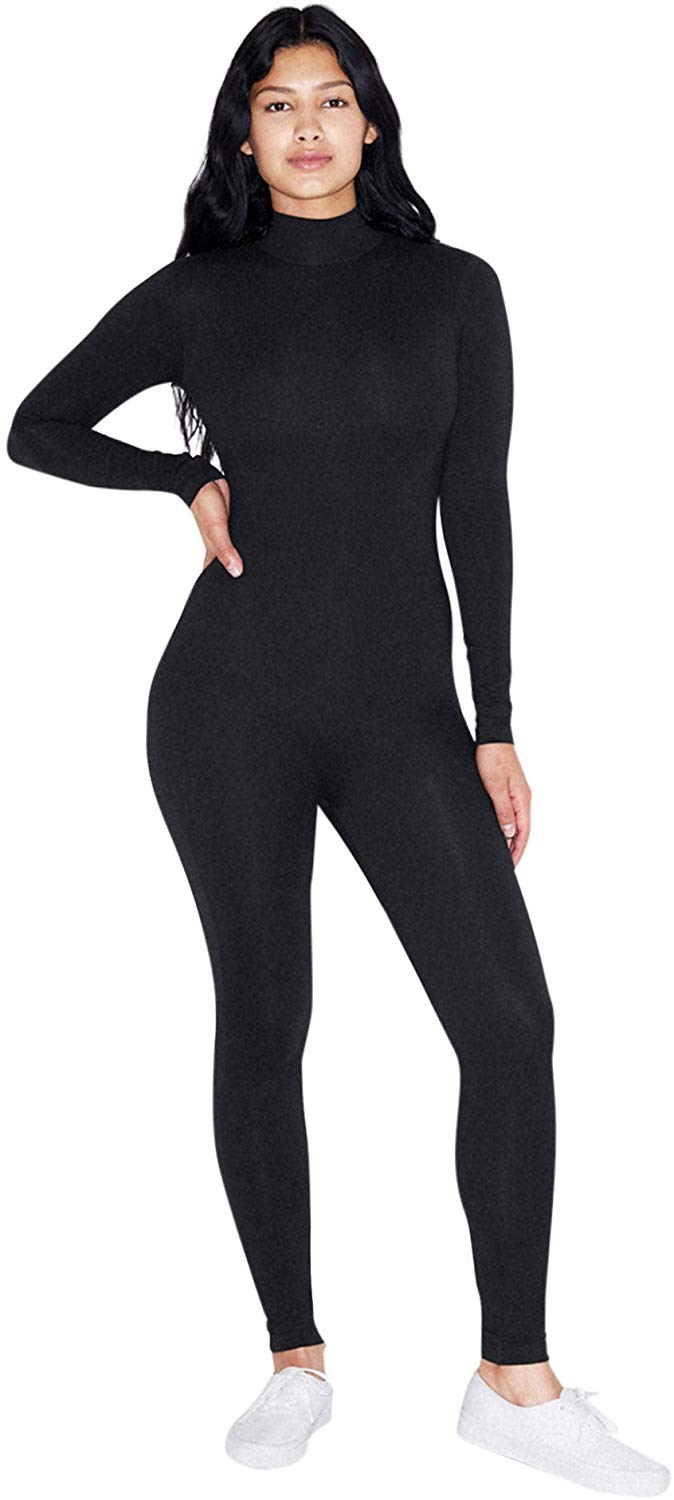

American Apparel Cotton Spandex Catsuit with Zipper Back Closure, $, available at Amazon
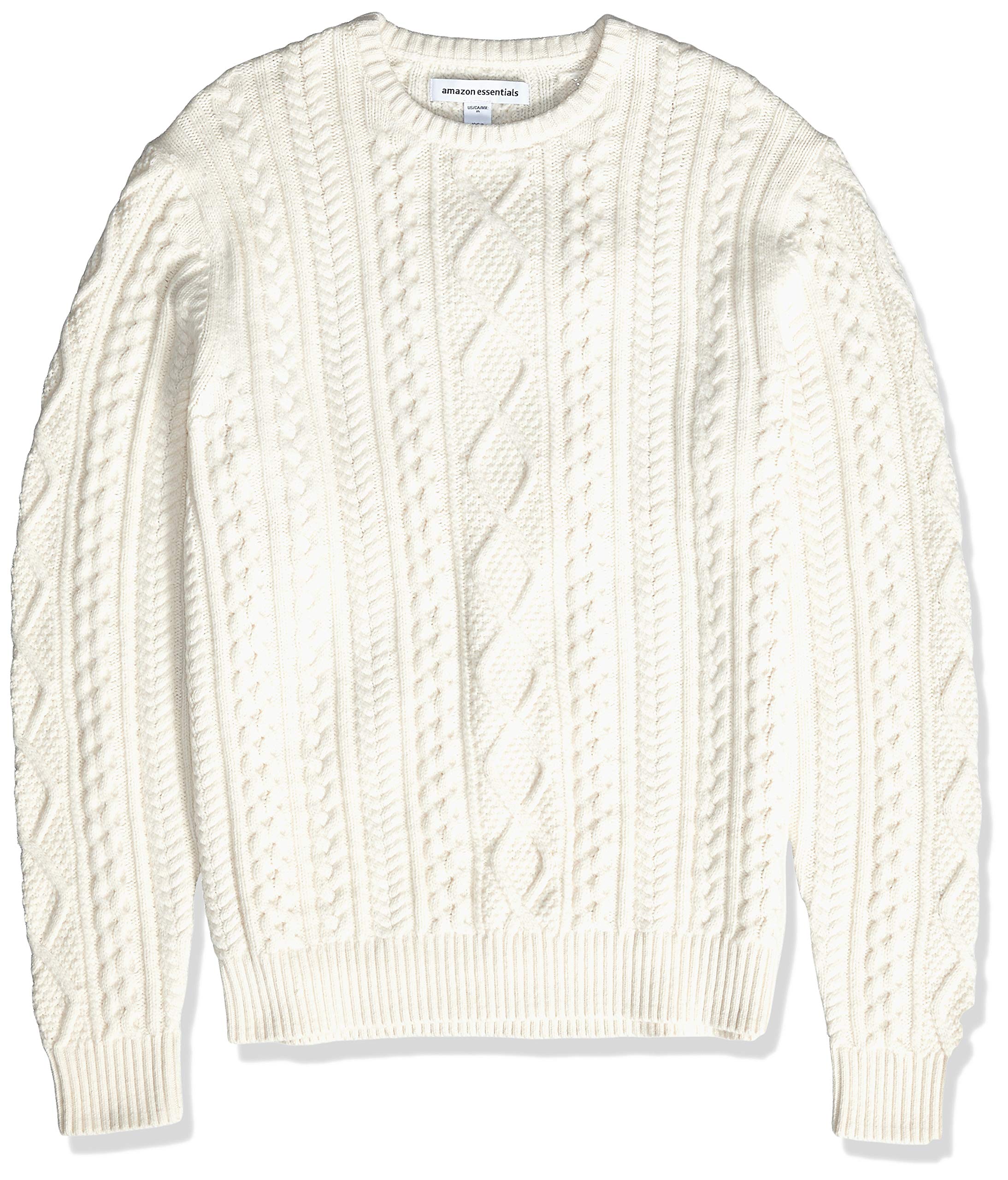

Amazon Essentials Men's Midweight Fisherman Sweater, $, available at Amazon
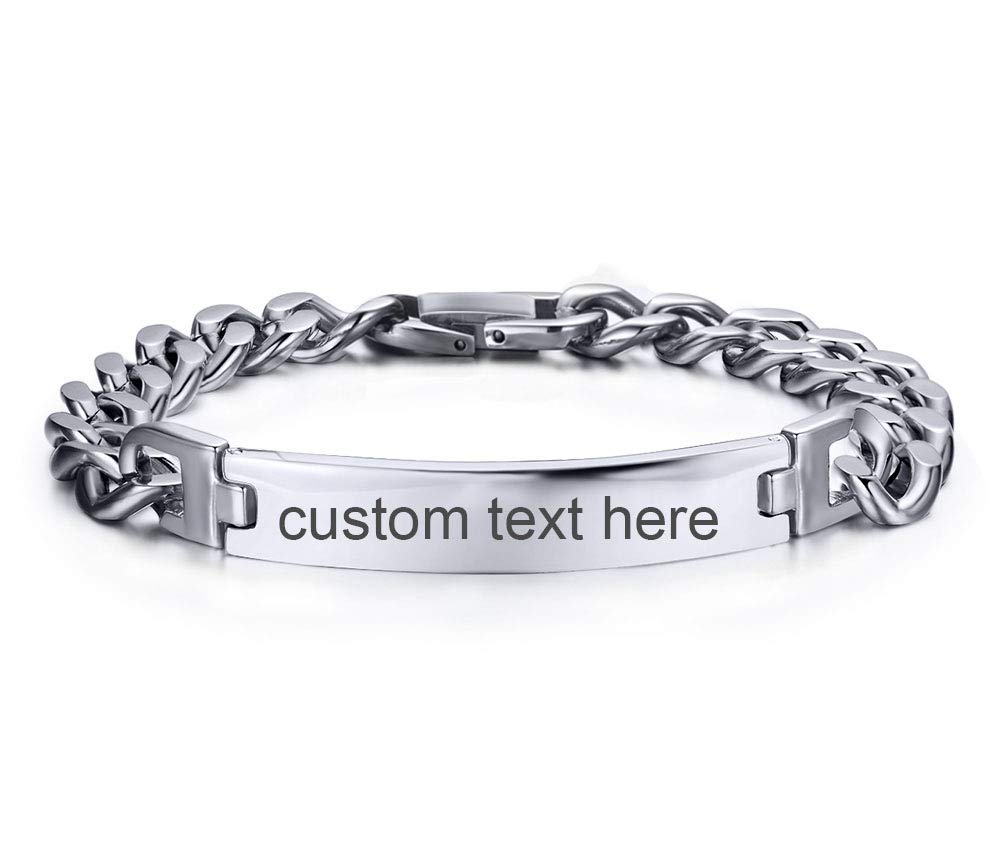

Mealjuest Jewelry Stainless Steel ID Bracelet, $, available at Amazon
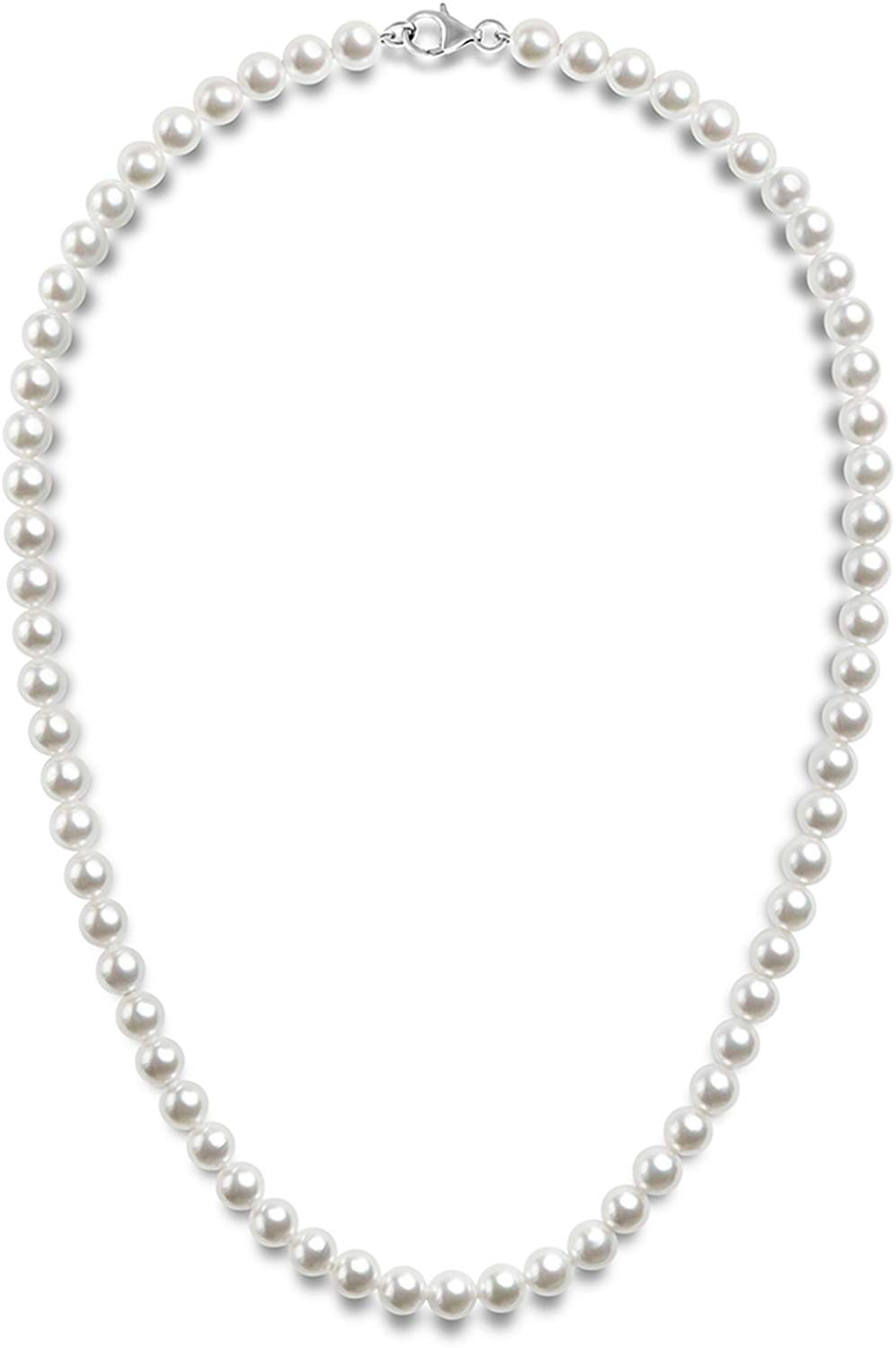

Pavoi Sterling Silver Round Simulated Pearl Necklace, $, available at Amazon
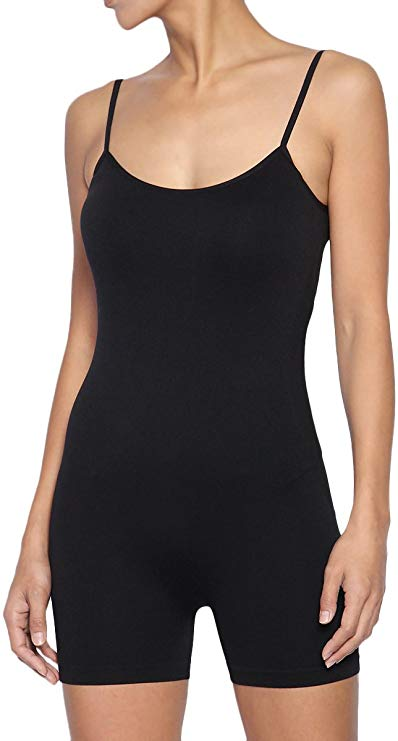

The Mogan Short Romper Bodysuit, $, available at Amazon
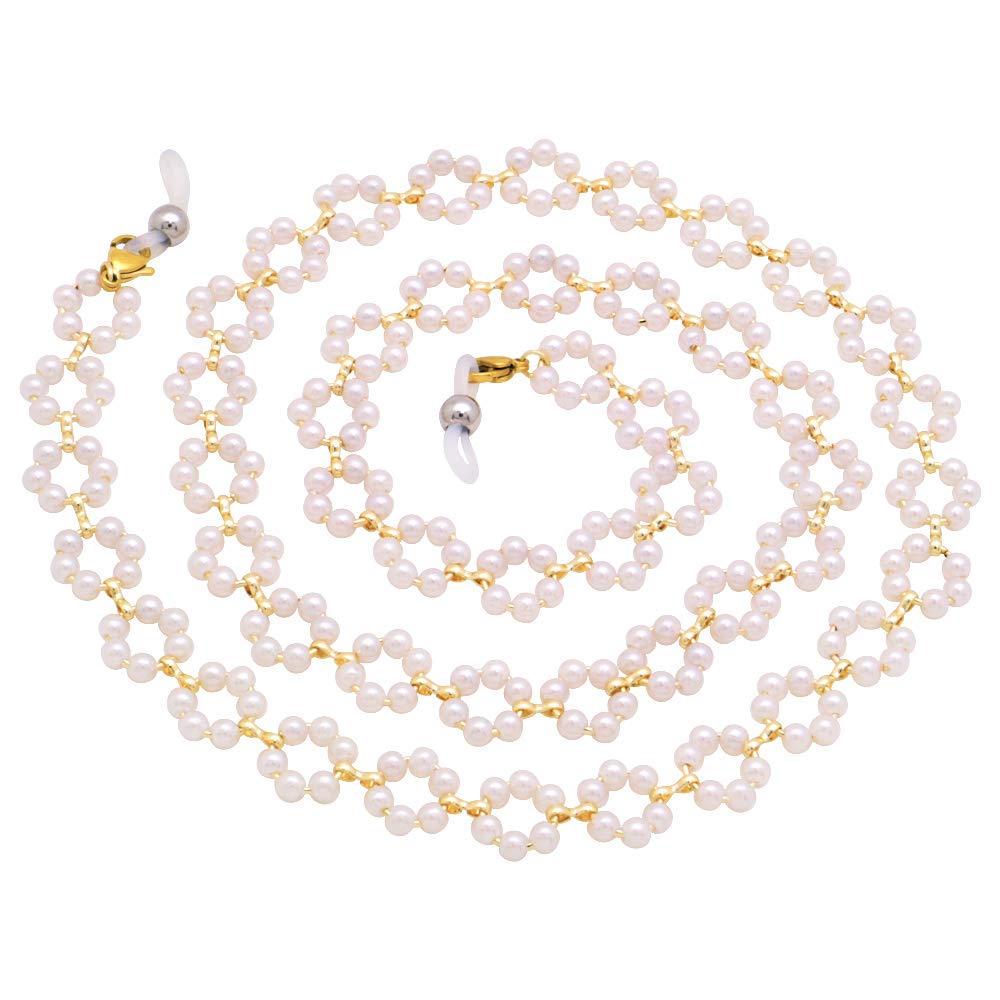

KAI Top Beaded Eyeglass Chain, $, available at Amazon
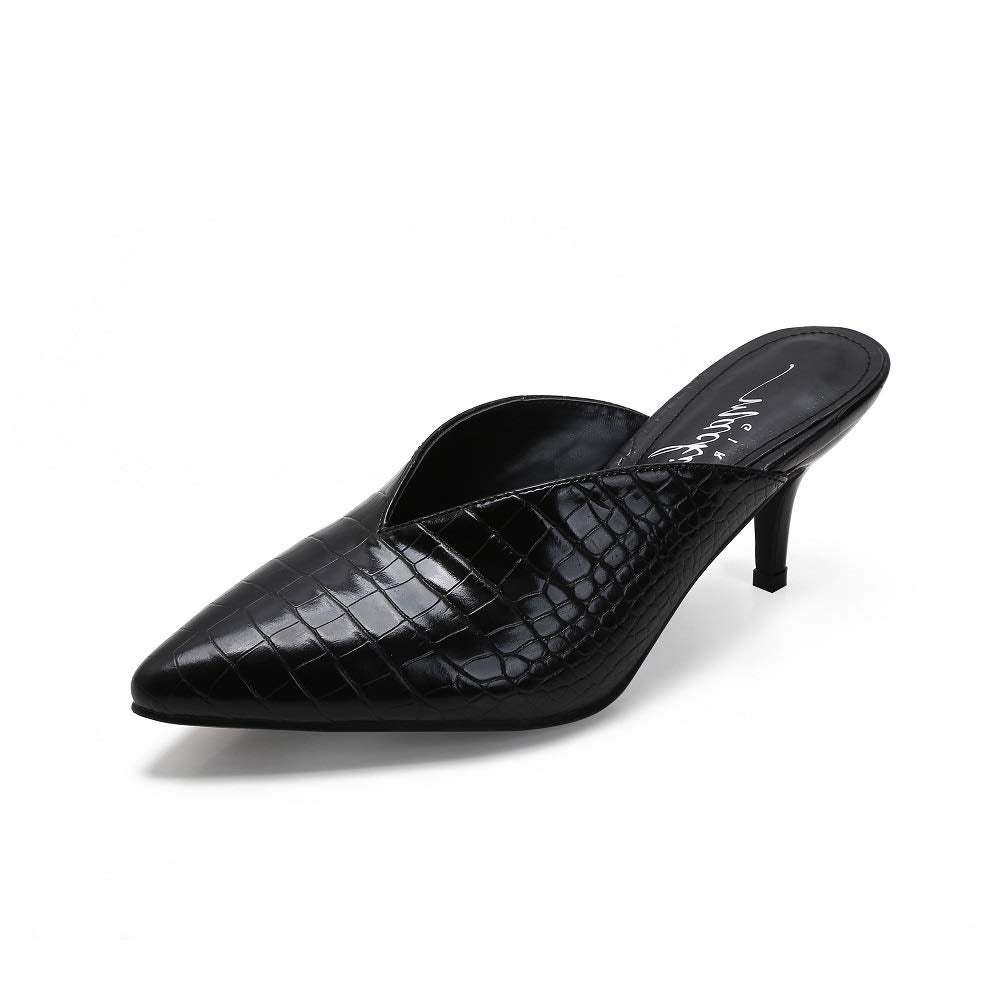

Mackin J Pointed Toe Kitten Mules, $, available at Amazon


Starter Compression Mockneck Top, $, available at Amazon
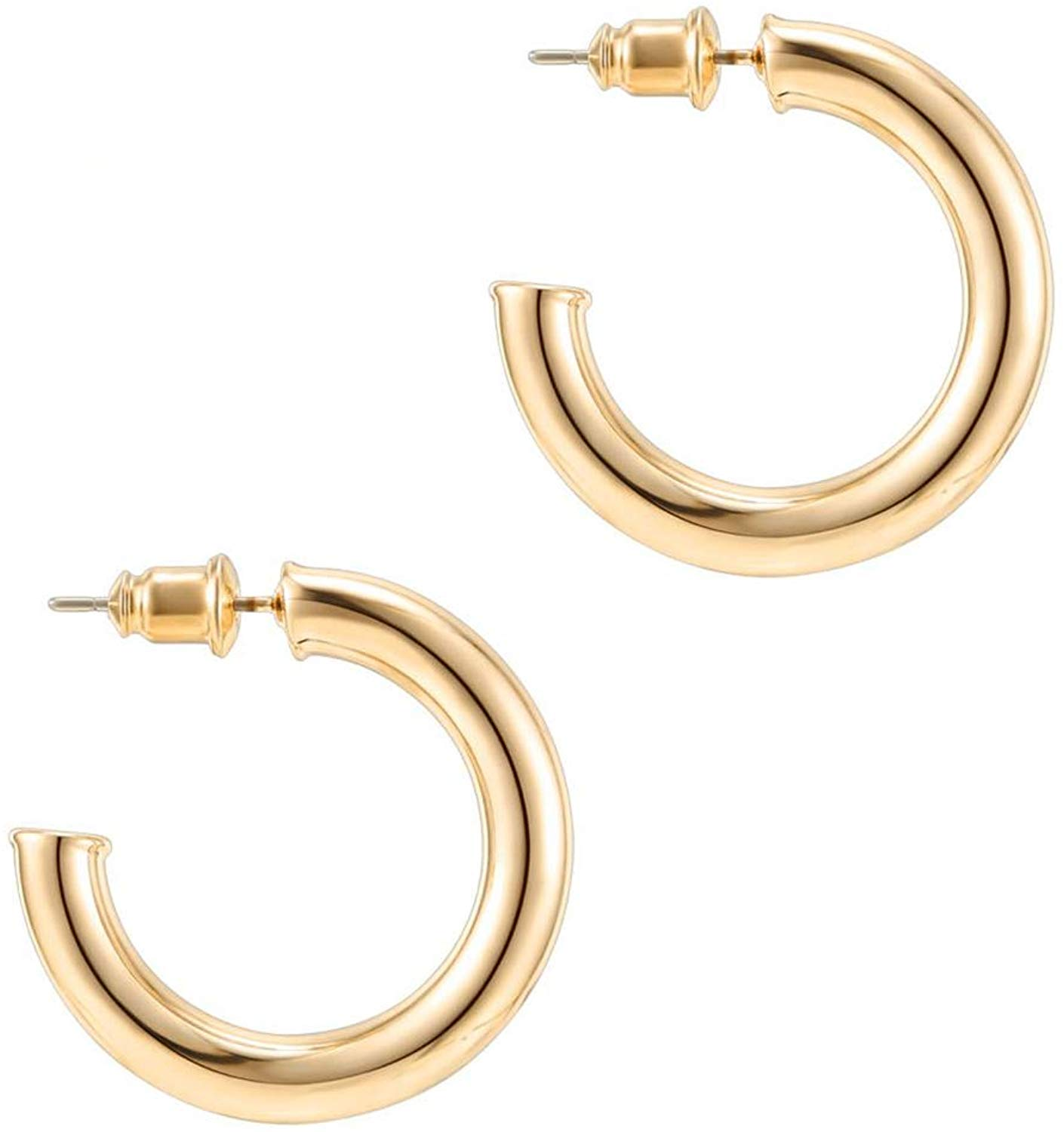

Pavoi Yellow Lightweight Earrings, $, available at Amazon
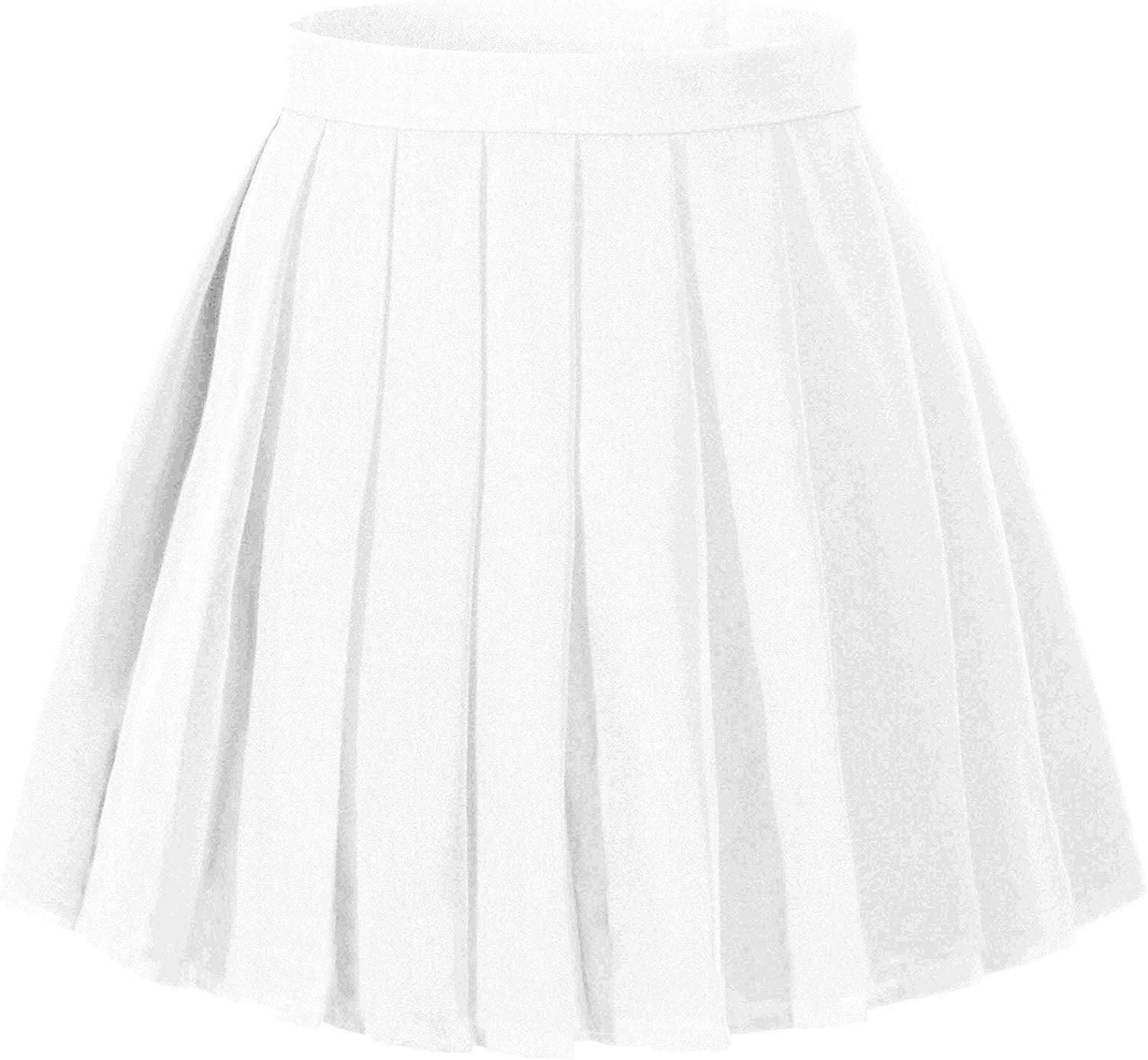

Beautifulfashionlife High Waisted Pleated Skirt, $, available at Amazon


Levi's 501 Skinny Jeans, $, available at Amazon
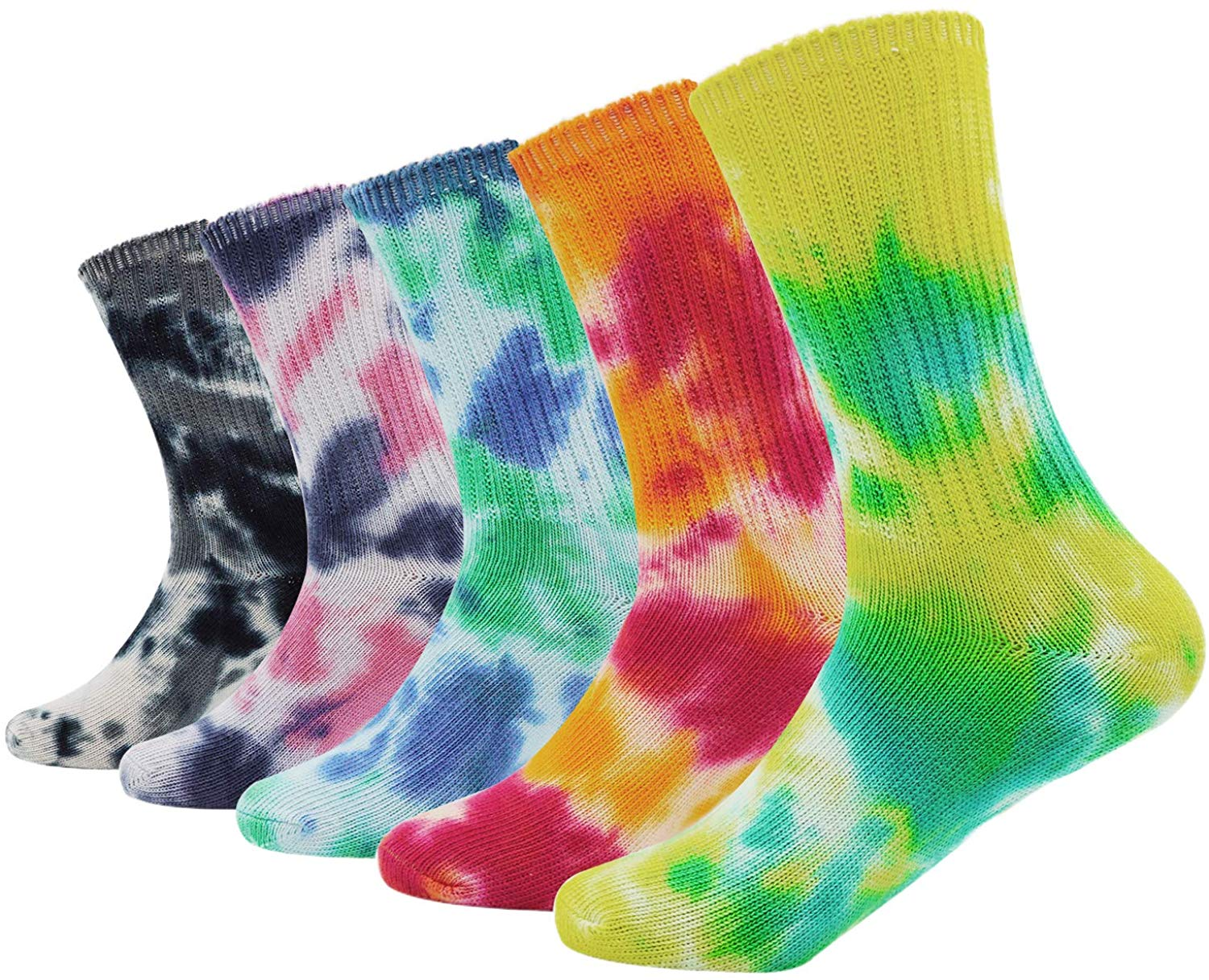

Bienvenu Colorful Tie-Dye Cotton Socks, $, available at Amazon


Amazon Basics Classic-Fit Button Down Poplin Shirt, $, available at Amazon
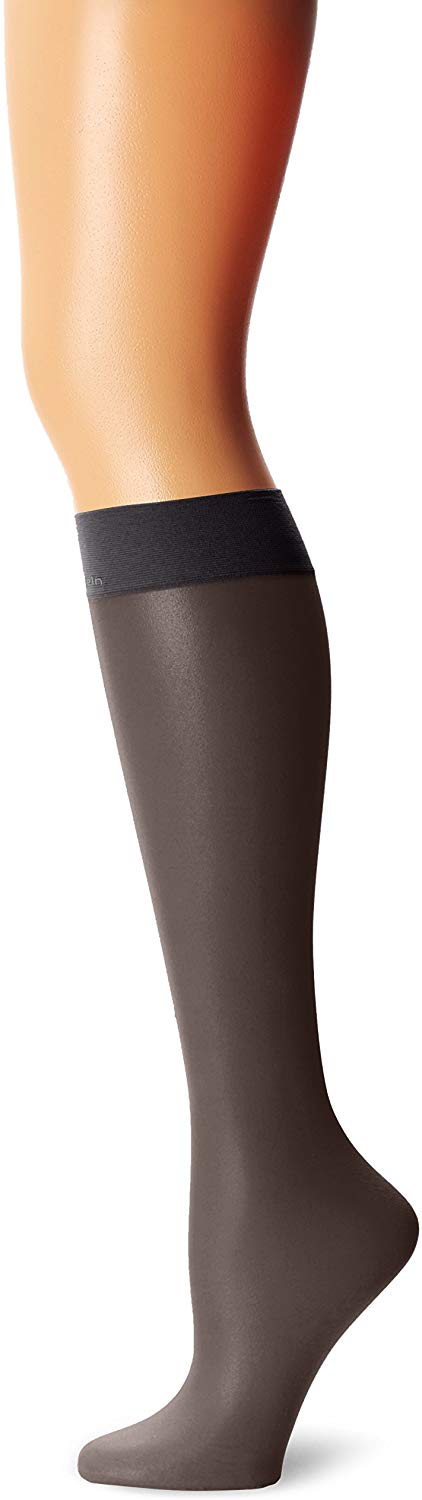

Calvin Klein Matte Ultra Sheer Knee High Sock with Comfort Top, $, available at Amazon
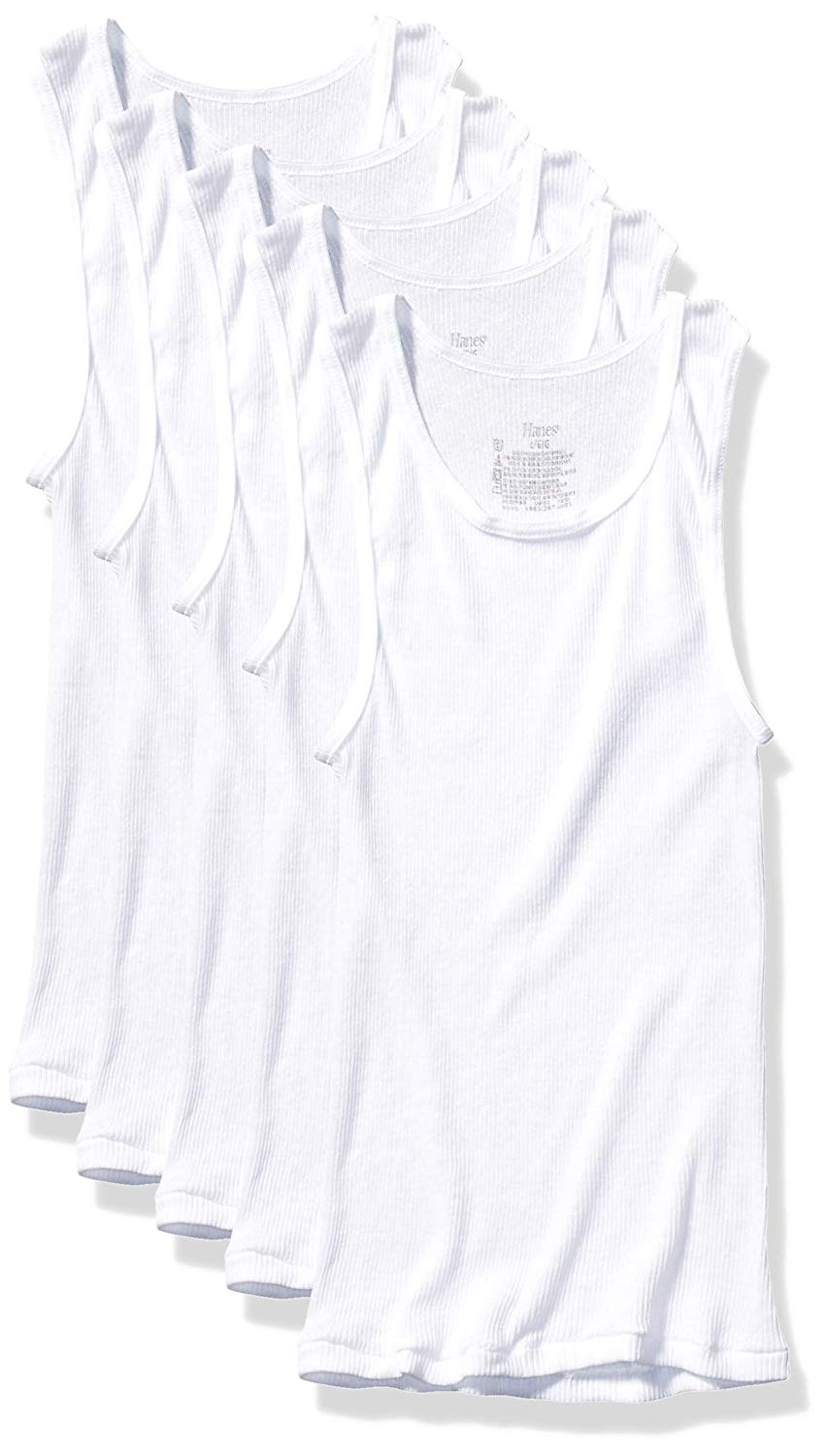

Hanes Hanes Boys' Tank, $, available at Amazon
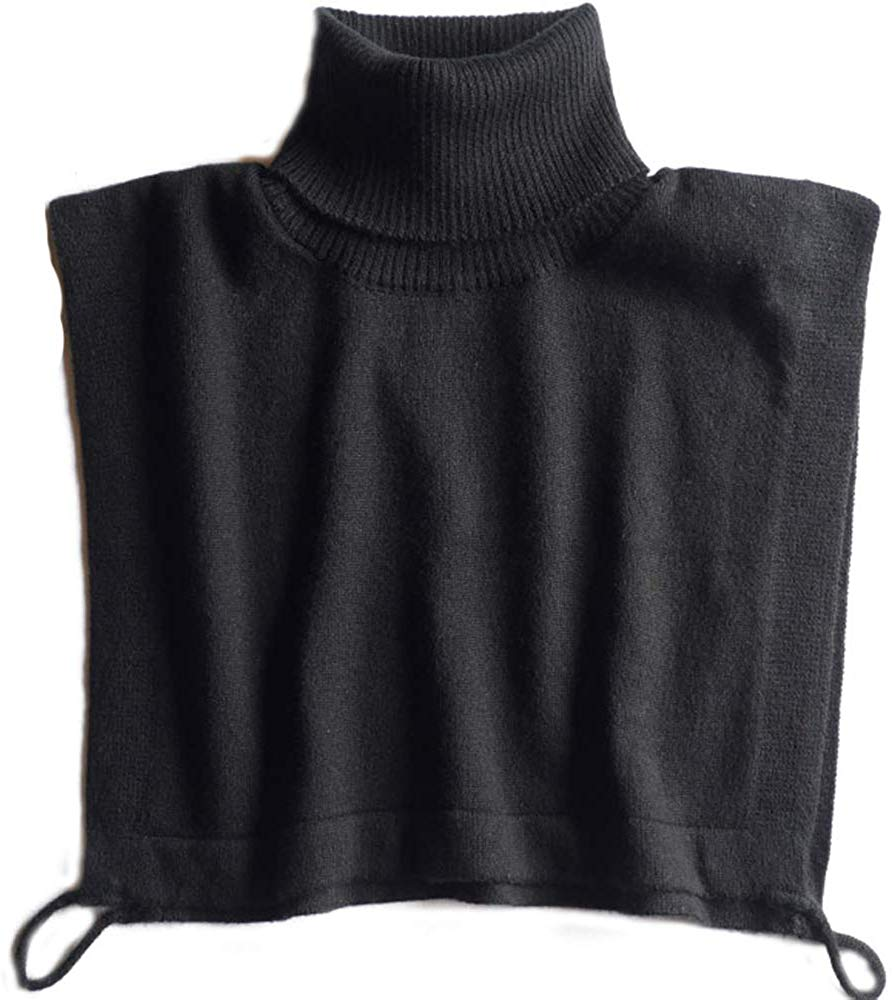

Yanqinqin Knitted Unisex Turtleneck Dickies, $, available at Amazon
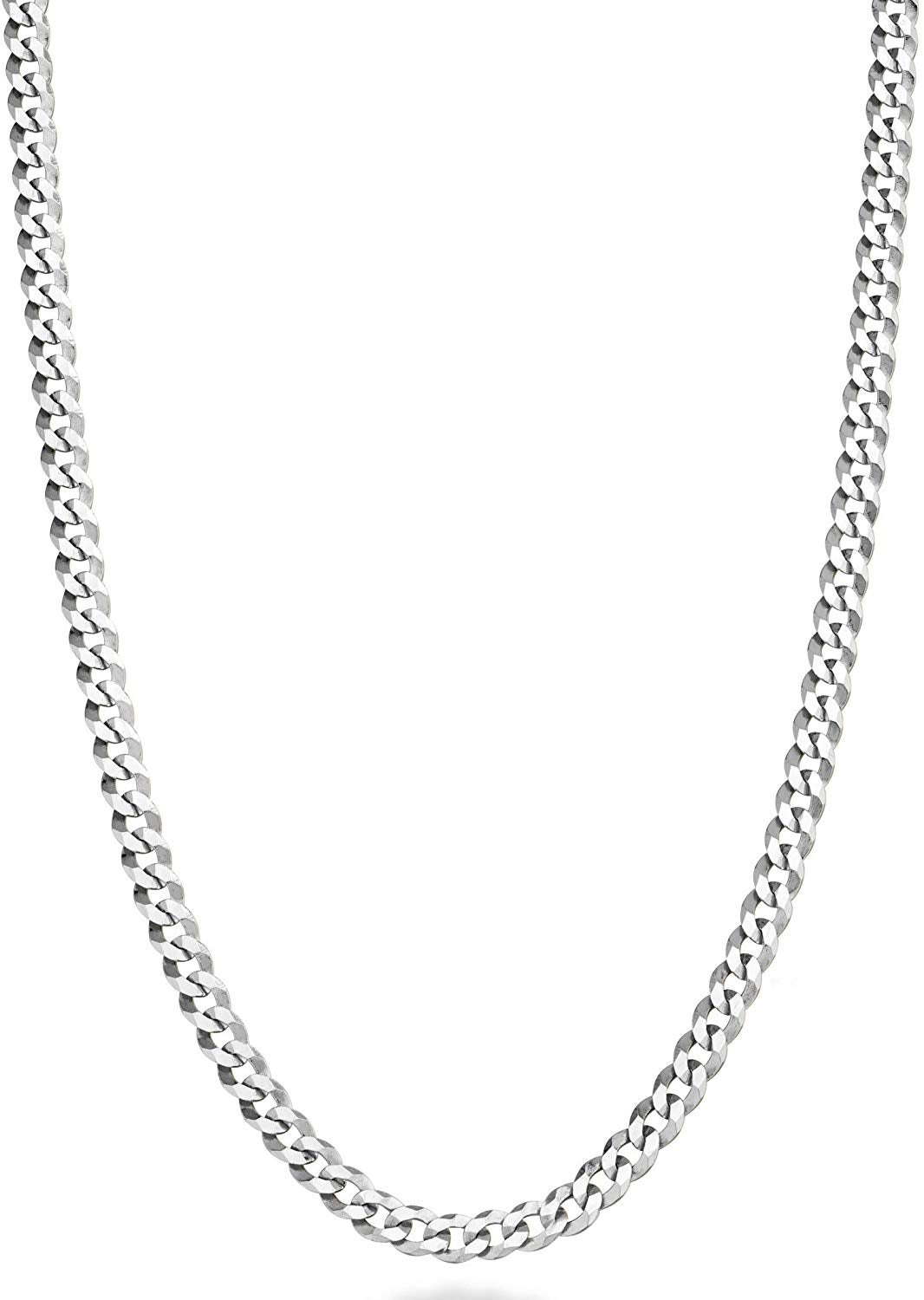

Miabella Solid 925 Sterling Silver 3.5mm Chain Necklace, $, available at Amazon
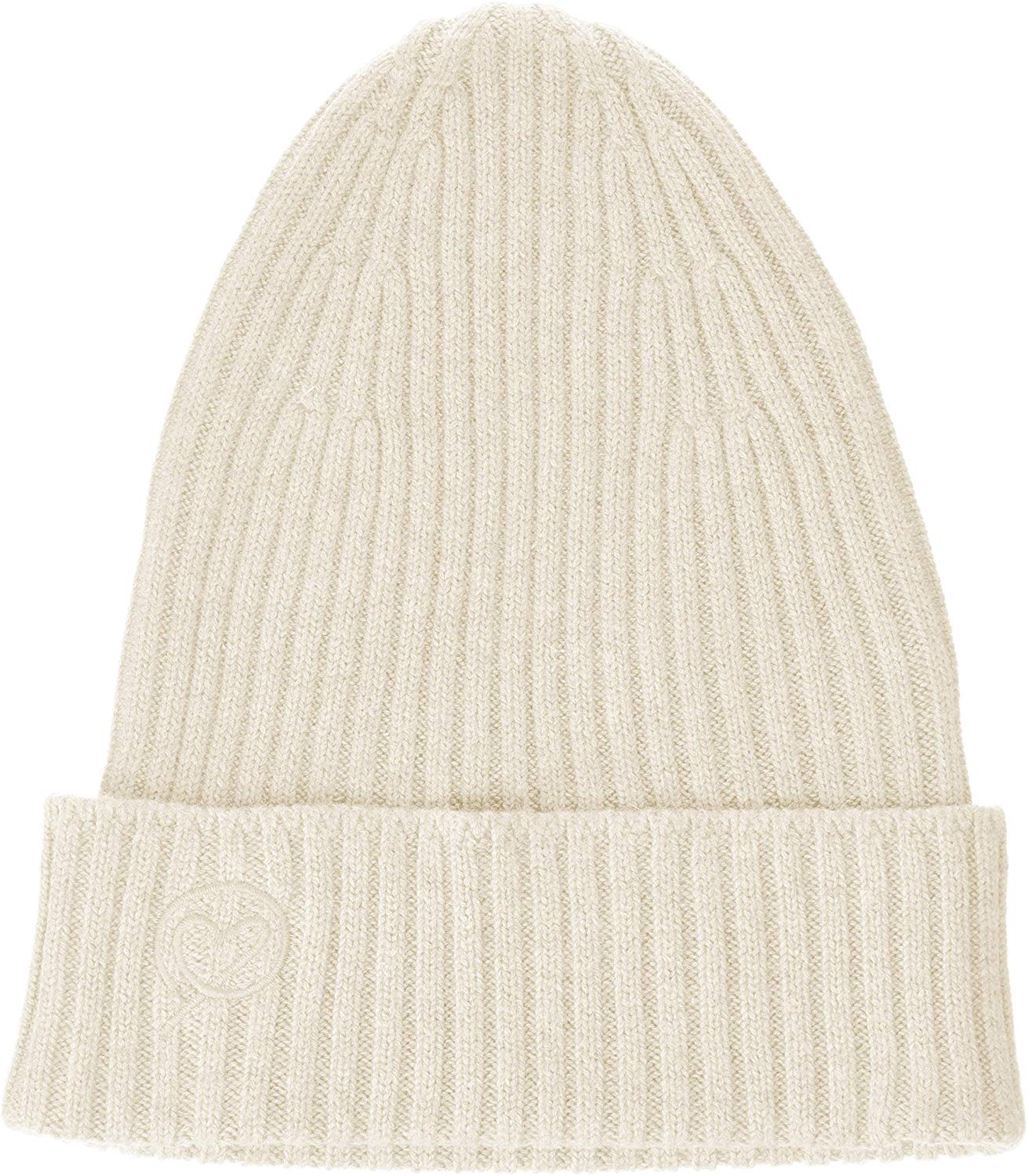

The Drop Julie Ribbed Beanie Hat, $, available at Amazon


Hanes Stretch Jersey Bike Short, $, available at Amazon
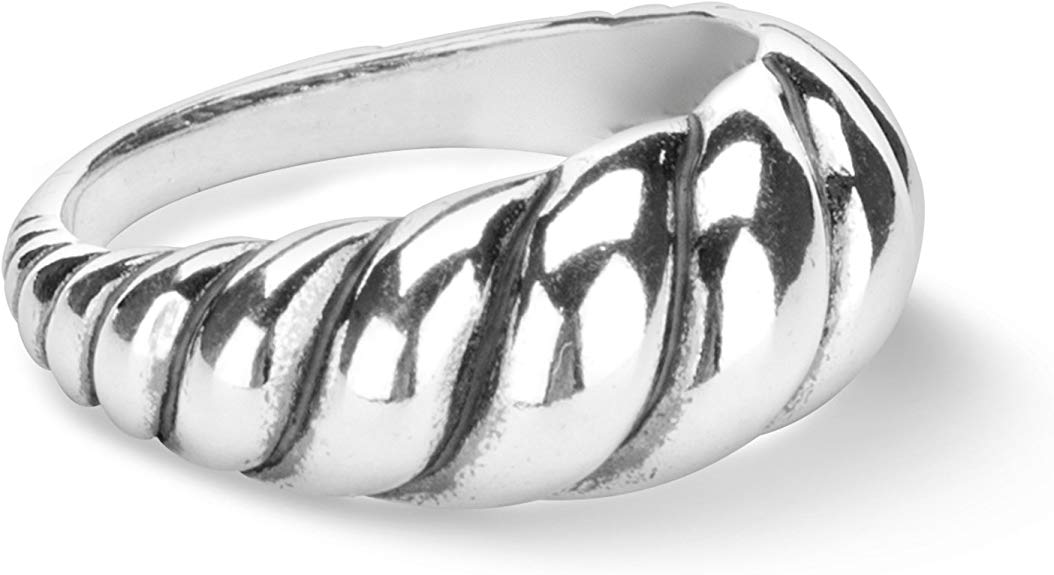

Carolyn Pollack Sterling Silver Ring, $, available at Amazon
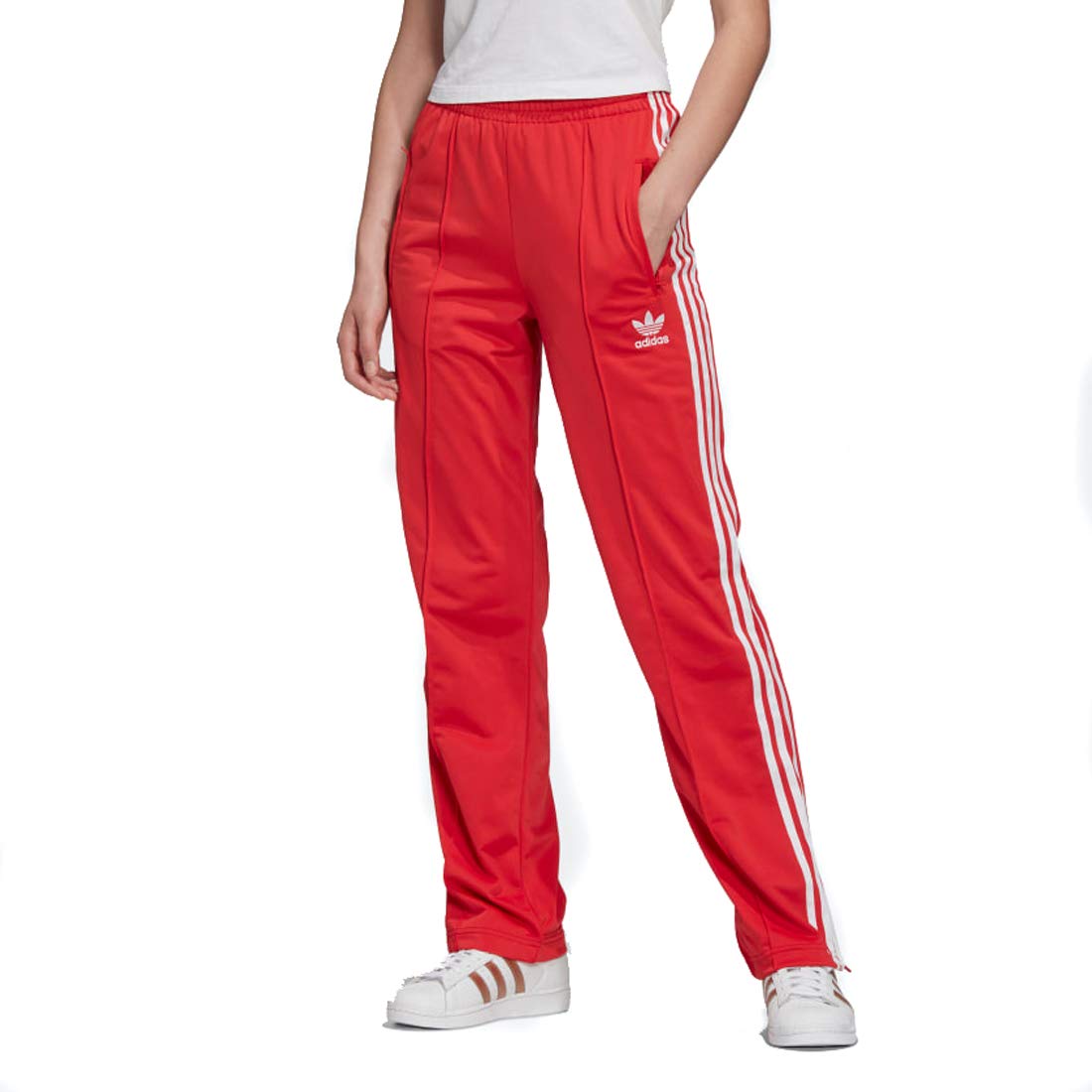

Adidas Originals Firebird Track Pants, $, available at Amazon


Ugg Classic Mini Ii Boot, $, available at Amazon


Panltcy Packable Compression Lightweight Trousers, $, available at Amazon


Minibee Oversized Corduroy Shirt Jacket, $, available at Amazon
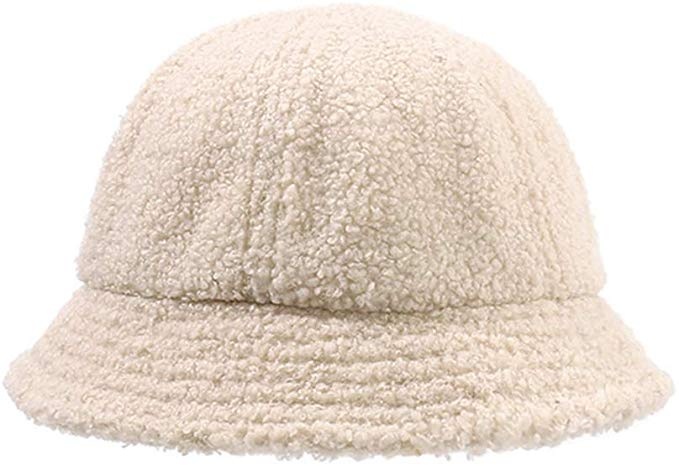

Croogo Lamb Wool Fisherman Hat, $, available at Amazon


The Drop Faux Leather Puffed Long Sleeve Utility Blouse, $, available at Amazon


SweatyRocks Mock Neck Embroidered Letter Long Sleeve Striped Crop T, $, available at Amazon
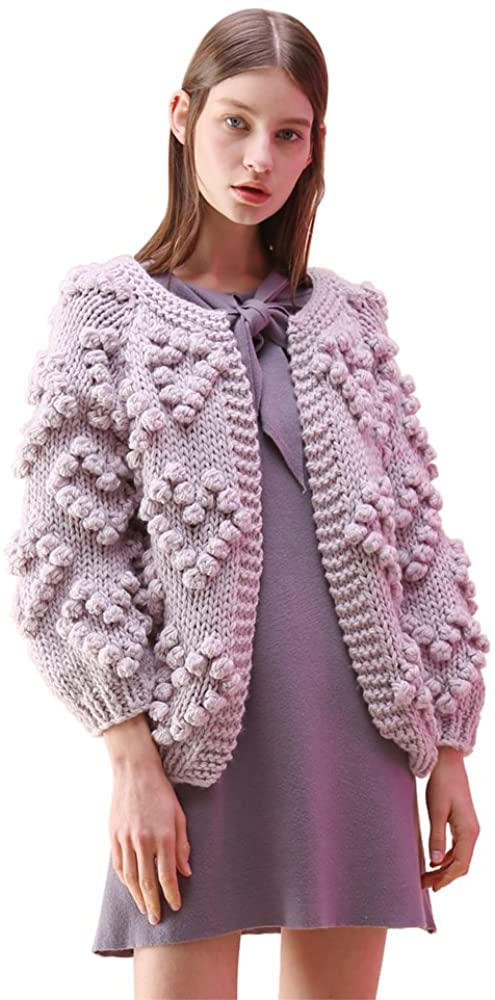

Chicwish Heart Shape Cardigan, $, available at Amazon

Like what you see? How about some more R29 goodness, right here?

R29 Readers Confess Their Amazon Hidden Gems

What To Buy From Zara’s New Winter Collection

Zara’s Annual Winter Sale Is Here

Goodbye Sweatpants, Hello Sequins: The Era Of Party Clothes Is Almost Here

When The New York Times published a piece titled “Sweatpants Forever” last summer, it resonated with many. Whereas most fashion items had fallen to the wayside following stay-at-home orders, sales for cozy, stretchy sweatsuits skyrocketed. (Entireworld, the brand behind the unofficial uniform of quarantine, experienced a 662% spike in sales in March 2020 compared to 2019, according to The Times.) While we’re still not in the clear, with nearly 40% of U.S. adults vaccinated and the CDC announcing that vaccinated people can go maskless in some cases, according to retail experts, the sweatpant reign is coming to an end. 

And there’s data to prove it. Whereas search for sweatpants, hoodies, and activewear dominated on global fashion shopping platform Lyst in 2020, “peak sweatpant has passed” according to Peter Henderson, the head of the Lyst Index, who spoke to Refinery29. Instead, he says that shoppers are now “acting on pent-up demand for going-out-wear.” 

In the platform’s Q1 Index from 2021, which analyzed the buying habits of 150 million users and was released on Wednesday, the numbers showed shoppers once again diversifying their wardrobes. According to the report, comfort is no longer their highest priority: Search for high heels and dresses is up 163% and 222%, respectively, compared to last quarter. 

As part of Lyst’s top 10 hottest products, Attico’s Devon mules, favorites of Kylie Jenner and Hailey Bieber, landed fifth. (The last time a pair of heels made the top 10 list was in the Q4 2019 report, with Amina Muaddi’s glitter heels coming in second.) Nensi Dojaka’s Instagram-friendly dress — that Bella Hadid (sort of) wore to the 2020 MTV VMAs — was 10th on the list. (Also on the list: a bomber from the popular North Face x Gucci collab, pre-owned Hermès Kelly bags, Bottega Veneta lug boots, Prada’s reissued nylon bags, and the red Prada headband worn by Amanda Gorman on Inauguration Day, among other items.) 

As if to further make a case for party wear, Saint Laurent released its fall ‘21 collection, also on Wednesday, full of metallic bodysuits, fur-hemmed micro-minis, and thigh-high boots paired with silver boyshorts. Sunday night’s Oscars after-parties, which followed one of the first true IRL award shows since the pandemic took hold, offered up a share of going-out outfit inspiration as well. Dua Lipa wore a sequin-covered Balenciaga dress, while Andra Day sported the highest slit we’ve seen in a while in a metallic, cowl-neck Vera Wang Haute dress (though she did pair it with UGG slippers). In other words, while the time for sweatpants is coming to an end, the era of party clothes is almost here — and we couldn’t be more excited.

Check out Lyst’s Q1 Index, which additionally includes the top 20 hottest brands of 2021 thus far, on Lyst.com.

Like what you see? How about some more R29 goodness, right here?

Parachute Pants Are Back With A New Look

7 Celebrity-Approved Ways To Wear Sweatpants

Matching Sweatsuits Became The Quarantine Uniform

It’s Been 8 Years Since Rana Plaza & Things Are Actually Worse For Asian Factory Workers

On April 24, 2013, thousands of garment workers in Bangladesh entered the visibly crumbling, eight-story Rana Plaza retail and apparel manufacturing complex out of which they worked. Despite having alerted supervisors to the structural cracks in the walls and receiving police mandates to evacuate the building after it had been deemed unsafe, workers were forced to complete orders. When Rana Plaza collapsed, 1,100 people died. Thousands more were injured.

While Rana Plaza certainly wasn’t the first garment industry catastrophe — just months prior, also in Bangladesh, the Tazreen Fashions factory fire resulted in the deaths of over 100 people  —  it was the deadliest, garnering global attention and galvanizing a slew of grassroots, citizen-fueled movements calling for widespread labor rights reform, improved health and safety regulations, and consumer awareness. “This was an avoidable disaster that speaks volumes about how life is valued in the face of this [fashion system] that’s predicated on speed and scale at all costs,” says Aditi Mayer, a sustainable fashion blogger and labor rights activist. The dehumanizing and lethal effect of fashion’s culture of disposability and consumer appetite for constant newness became impossible to ignore. But how much progress has really been made since then?

Today, many factory buildings in Bangladesh are structurally safer. But inside, workers are still subjected to unprotected use of chemical substances and sandblasting, long hours, verbal and physical abuse, and sexual harassment. In fact, a 2020 report from the U.S. Senate Committee on Foreign Relations states that labor rights “have declined precipitously in recent years.” One Bangladeshi labor organizer quoted in the report said that ‘‘the environment for workers has never been worse.”

Ayesha Barenblat — the founder and CEO of Remake, a non-profit community working to change the industry’s harmful practices through education and advocacy — points out that although 220 foreign brands signed the Accord on Fire and Building Safety in Bangladesh in the aftermath of the Rana Plaza disaster, which promises to engage global trade unions in working toward a safer and healthier garment and textile industry, the legal agreement is set to expire this May. She fears the short lifespan of this accord is representative of a larger and fundamental issue, wherein brands are quick to seek out temporary and incomplete “fixes” after the initial shock of industry-related tragedies that do little to enact meaningful change. 

The coronavirus pandemic, Barenblat says, also had devastating effects, not only on the well-being of garment workers but also their ability to work at all. Countless retailers have refused to pay for goods they asked suppliers to make before stores were shuttered and sales plummeted in March 2020. Soon after receiving reports of canceled orders that were already in production, Remake launched a petition demanding fashion companies honor their financial commitments. Their #PayUp campaign went viral over the summer, helping to recoup at least $15 billion owed to garment factories worldwide. Even so, many brands are still not following through on their canceled or delayed contracts despite returning to profitability in the fall, and garment workers are being underpaid on a massive scale or facing job loss as a result. Gender-based violence is also on the rise amidst the dismissals, with workers in Bangladesh testifying to the Workers Rights Consortium that they were forced to resign under the threat of violence as a means for employers to minimize severance obligations.  

After lockdowns brought demonstrations to halt last summer over the rollback of labor rights caused by COVID-related order cancelations, garment workers in Myanmar played a leading role in organizing increasingly dangerous protests following the country’s unlawful military coup in February. While talking to Vogue Business, Ma Moe Sandar Myint, chairwoman of the Federation of Garment workers, said that statements condemning the military coup are just one step in a series of actions that Western brands have the power to take to put pressure on factory owners to stop punishing workers for participating in pro-democracy strikes and protests. Yet despite calls from trade union leaders for international fashion brands who work with suppliers in the country to come to the aid and defense of the workers who are losing their voices, jobs, and, in some cases, their lives to this struggle, the industry has responded quietly, if at all.

“The current dominant fast fashion model will always exploit those that are the labor behind the label.” 

Aditi Mayer, sustainable fashion blogger & labor rights activist

This disregard for human rights is further illuminated by companies who have prioritized their own business interests in Asia over the safety of garment workers in countries like China, even as international scrutiny mounts over the alleged human-rights crimes in its cotton-rich Uyghur region. According to reports, at least one million Muslims have been forced into labor camps; however, when H&M posted a statement expressing “deep concerns” over the situation and declaring it would no longer source cotton directly from the region, this action was met with calls for a boycott. Soon, H&M products were missing from the country’s popular e-commerce platforms. Corporations like Inditex and PVH have since removed their initial statements on the issue from their websites. 

According to a 2018 Oxfam report, it takes four days for a major fashion CEO to earn what a garment worker will earn in their lifetimes (the majority of this labor is carried out by women). These are problems that obviously cannot be fixed with a public statement or a one-off donation to an organization. These are the systemic social justice issues compromising the core of the fashion industry, and they come at a tremendous human cost to its Asian workforce. “What I want to see when brands claim they want to help anti-racist movements is [for them] to really interrogate their own supply chains,” Mayer says. “It’s one thing to donate to anti-racism organizations or to call for solidarity, but it’s another thing to see how the entire edifice of the current dominant fast fashion model will always exploit those that are the labor behind the label.” 

For the past 30 years, as localized manufacturing processes were lost to the cost-slicing benefits of off-shore production, the evolving geography of fashion supply chains has been determined largely by wherever environmental regulation is weak and labor laws are even weaker. Much of this capitalist system, Mayer explains, revolves around the potential for exploitation in countries that have been destabilized by colonial violence and imperialism. “Brands are looking to produce as much as they can, as fast as they can, and as cheap as they can, which means going to places around the world whose vulnerable populations undergo resource extraction, whether that’s their labor or their natural environment as a means for infinite growth and success.” 

And while these companies benefit from touting inclusivity and women’s empowerment in marketing and advertising, their ruthless production methods and punishing delivery schedules make it impossible to operate their supply chains in accordance to these values. For example, in 2019, the same year it declared its “year of the woman,” Nike received the worst rating in the Clean Clothes Campaign’s Tailored Wages report which stated that the brand could “show no evidence of a living wage being paid to any workers” — workers who we know are predominantly female.

However, both Barenblat and Mayer caution against the portrayal of workers as victims, pointing to how the sustainable fashion sector has its own issues of racism and white saviorism, where cause-related marketing connects products to ethical issues in a way that makes customers think their purchase is helping solve the mistreatment of the garment workers. This notion of “buying into global moralism” as a feel-good model of consumer behavior leads to women of color always being seen “in conjunction with their labor,” Mayer states, as though “that is the totality of their personhood.” Instead, she says, we need to think about wealth redistribution not only in terms of wages, but also as it relates to the value created by non-white artists and designers whose identities get lost in the production line.

Considering that garment worker lives continue to be damaged, devalorized, and lost to the manufacturing work upon which they are fully dependent, it’s fair to say that little has changed in the eight years since Rana Plaza collapsed. In fact, it’s getting worse. Unless the industry rebuilds itself, with principles of fairness and equality at its core, only its most oppressive structures will continue to stand strong. But we shouldn’t need another newsworthy catastrophe in order for brands to be held to account for these perpetual failings. We can’t afford to lose more lives in the pursuit of fashion.

Like what you see? How about some more R29 goodness, right here?

Why Are Brands Claiming: “We Are Not Sustainable?”

The Digital Fashion Experience Isn’t The Same

Sustainable Fashion Should Look Like My Basement