Tuesday, March 22, 2022

Fashionably Black: How To Rediscover Your Style After A Pandemic

Welcome to Fashionably Black!, a style and culture guide for Black people highlighting the cultural moments, pioneers, and conversations we’ve always been a part of! Putting a magnifying glass to style & self-expression, Fashionably Black! explores the many ways we are the history, we are the fashion, and will ALWAYS be. We’re not trending, we’re true.

In September 2019, I landed my first paid internship at Refinery29. In 2020, that paid internship turned into my first big girl job working in media, and I was eager to carve out my lane as both a media professional and a stylish social editor. I often admired our editors’ office style, because one thing about working in media (specifically Refinery29): everyone has a unique style, regardless of what department they work in. 

I had a few items — blazers, denim, and blouses — that got me through in the beginning. However, I really wanted to tailor my style to fit my personality, so I began to implement bright colors, casual dresses, and tried various trends to see what fit me best. I got to explore what I loved, loathed, and simply could do without in fashion. What was most important to me was that whatever I wore needed to be comfortable. 

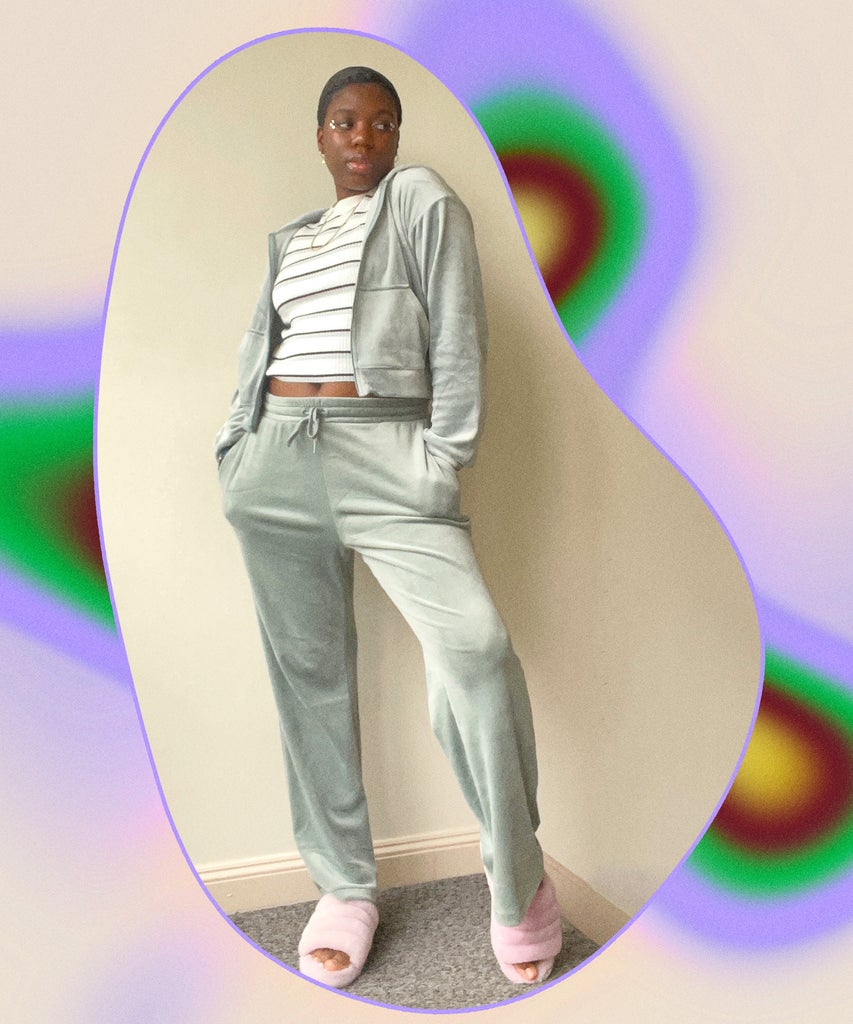
To be frank, now all I wear is mostly loungewear, leggings, and matching sets. My style has become athleisure (reflective of the current times), but it doesn’t truly represent my personality overall. Part of my struggle has been coming to terms with the weight I’ve put on during the pandemic, and things I’ve had in my closet for years that no longer look flattering on me. In a way, I’ve been hiding in my comfort clothes, and my desire to start actively posting fashion content on TikTok and Instagram as a style editor made me question myself a bit.

Now I’m scanning my closet to see how I can truly develop a personal style that is reflective of who I am instead of falling into the habit of buying into trends (and I’ll admit I’ve done a lot of online shopping while in the house). I’m in the groove of donating and selling items I no longer will wear while putting aside the items that best fit my silhouette. With the world opening back up and folks going back into the office, this is a time to use spring cleaning as an opportunity to purge your wardrobe.


“Part of my struggle has been coming to terms with the weight I’ve put on during the pandemic, and things I’ve had in my closet for years no longer look flattering on me.”

Venesa Coger, Style & Culture Specialist

For this first installment of Fashionably Black, I spoke with celebrity stylist Ebony Brown about the differences between fashion and style, tips to elevate your style for spring, and clothing styles that will work for all body types. Brown started out in the industry as a songwriter, but soon realized that she may have been blocking her own blessings when people would say to her should be styling the artists she was working with because of her creative and fly outfits. With 15 years of experience, she’s launched a digital course and online book, Fashionably Fearless, for aspiring fashion stylists. 

On the differences between fashion and style

Ebony Brown: “You’ve heard the term ‘the dress is wearing her, she’s not wearing the dress.’ That’s the difference between style and fashion. The component that most people don’t realize about having style is confidence. Confidence is the best fashion accessory you can have. If you’re not confident in your skin and who you are, nothing will look great on you. I think that most people are [too] focused on buying labels and buying a designer of this and design of that.”

On elevating your style for the spring 

EB: “The first thing I would say is we have to move out of sweatpants. However, if you’re going to still wear them, you have to elevate it. If you’re wearing sneakers, make sure they are clean and fresh or I love sweat pants in heels. You have to give the difference in the volume and break up the silhouette or everything is going to just look boxy. So I recommend a bandeau top or a tight shirt, especially if your sweatpants are loose.”  

[The second thing I’d suggest is to] incorporate lime green —  it does not have to be neon, more like a soft melon lime green — into your wardrobe. It’s one of the main colors for spring.”

On clothing pieces that work for all body types

EB: “Bodysuits. I know it could feel a bit scary for women because we naturally think of wearing bigger and baggy silhouettes to hide the fact that we’ve gained weight. That’s the biggest misconception in fashion. But hiding it only brings more attention to it because if you wear a baggy T-shirt, it’s going to just make you look like a box. Bodysuits are contouring as well, so they can really snatch you in and hold you together. 

I don’t care what size you are, wear crop tops! The key is your crop top doesn’t stop right at the bottom of your breasts. Your crop top needs to come down to your belly button, And then your pants like right under your belly button. So you just have a little sliver of skin, but that little bit of skin looks very sexy!”

Like what you see? How about some more R29 goodness, right here?

Meet The Editors & Writers of The R29 Style Team

The R29 Editors Shattering Outdated Fashion Rules

When It Comes To Your Wardrobe, It Costs To Gain Weight

When Miriam, 27, changed her medication a couple of years ago she went up three dress sizes. Being bigger didn’t bother her in and of itself but the combined sense of alienation and the unanticipated cost of dressing her new body made her miserable. 

“I was unhappy because my body didn’t feel like my own but the actual practicalities of being bigger didn’t have as much of an impact aside from the cost, which was really depressing.” People kept telling her that she shouldn’t worry, she could “lose the weight”. This attitude to her new size, she adds, “is so gross and not the point!”

Gaining weight is still, for the most part, demonized in western cultures. No matter what point you start from, society still celebrates bodies that skew slim and you are made to feel ashamed if yours deviates in any way. This is compounded by the practical and discriminatory challenges that present themselves to larger bodies, from lack of access to high street retail to explicitly harmful medical discrimination.

This is why fat liberation activists from the late ’60s onwards and, later, body positive movements have rightly pushed against this stigma surrounding fatness and weight gain in various areas of life.

Beyond the narrative to ‘love yourself’ or even develop an attitude of ‘body neutrality’, there are unavoidable practical problems when you gain weight. Specifically, the financial hit on your wardrobe of finding new pieces to fit your current weight. No matter how accepting you are of your size, you still have to dress every day. As Miriam explains, it can be really hard to reconcile your genuine acceptance of your size with the frustration and alienation of having to spend to dress a version of yourself that perhaps you don’t yet recognize.

“I was a student grappling with multiple disabilities at the time so it hit me HARD and I basically wore the same bra for a year. I just couldn’t really afford anything new but cried every time I tried to wear my old clothes and ended up spending money I didn’t have on new clothes.”

Given the somewhat scaremongering statistics on pandemic weight gain published by various news sites, it’s unsurprising that Miriam is not the only one grappling with this mental struggle.

Jess (they/them), 28, in Newcastle started gaining weight five years ago due to a health condition and as a side effect of the medication they were prescribed to treat it. “Over that time period,” they say, “I’ve had to re-buy clothes at almost every size. Weirdly, my feet also went up a shoe size too.”

This has impacted their wallet significantly. They’ve had to use an overdraft at various points and consciously cut back on other spending to buy clothes that fit. In a practical sense, Jess also struggles with wearing through clothes faster. “Now I’ve got fatter legs, my inner thighs rub together when walking in jeans and they wear through so much faster.”

As they’re unsure about when their weight will stabilize, they’ve felt unable to invest in high price items like Dr. Martens and struggle to navigate the difference in sizes when shopping online.

“I found shopping a lot harder, especially during the pandemic. I don’t really know what size I am in most shops now so I end up spending more on online orders and returning what doesn’t fit, but that obviously requires a larger upfront amount to enable you to order options.”

This obviously feels wasteful because of the impact of postage and returns but especially during the pandemic there wasn’t really another option.

Then there are the other restrictions on your ability to shop sustainably. Twenty-nine-year-old Jo (they/them) in London tells R29 that buying underwear in particular is an annoying and unforeseen expense. “It also makes me feel guilty – I buy fast fashion as I can’t afford to shell out on high end undies every time my weight fluctuates.”

Everyone spoken to for this story said they struggle to find secondhand clothing in larger sizes or options which fit their personal style or identity. Ciara (they/them), 25, in Finland would use secondhand clothing platform Vinted to sell their own clothing but the lack of sizing charts would mean that pieces were far less likely to fit well. Similarly, Miriam became hyperfocused on controlling her clothing however she could through fixing and mending. “Last year I tried ‘no new clothes 2021’, where I only bought secondhand things (except pants and tights, I have my limits) and it made me so conscious of how a) the vintage industry is inherently fatphobic, and b) how HARD it is buying secondhand clothes for a ‘bigger’ size, even a readily accessible size like mine (16). It sucked for me as I bought probably 80% of my clothes in charity shops or on eBay but now my options are so much more limited.”

It makes you feel more of a stranger in your body. Clothes become objective rather than expressive.

Jo, 29

Accessibility can be even more complicated when you factor in other elements. Three people who spoke to R29 for this story are non-binary and their weight gain, together with having to leave behind their more fitting wardrobe, has led to some intense dysphoria.

Ciara says that their lockdown weight gain jarred with them coming out as non-binary. “I found that all of the clothing I had now hugged my figure in ways that made me extremely dysphoric, especially when it came to pants [trousers]. It meant I had to replace large chunks of my wardrobe in order to feel comfortable.”

Jo deals with chronic pain and struggles with in-person clothing settings, which can compound dysphoria. “My pain level impacts my buying too, especially as this stops me from being able to physically go out and try on clothes so I just have to estimate my size on fast fashion retail websites where the sizing feels just as whack as their morals and ethics. I think also my personal style and sense of identity is affected as I know my style at a certain size and my wardrobe reflects that. But when I size out of my current clothes I find myself buying cheap and easy replacements that don’t echo my sense of identity. It furthers feelings of dysphoria and makes you feel more of a stranger in your body. Clothes become objective rather than expressive.”

Our finances and our weight are parts of ourselves that we’re encouraged to bind up with shame. We’re taught to see any weight gain as temporary and that spending on items that won’t last is wasteful. But those two ideas sit in tension with each other: if weight gain is temporary then there’s no point investing in expensive pieces for your wardrobe; but if you buy cheaply, you are not only not living sustainably but also inadvertently implying that you aren’t body positive.

“Despite knowing that my health condition is going to be lifelong, and knowing that most people who try to lose significant amounts of weight don’t sustain the weight loss for long (and often gain all the weight back and a bit more),” Jess explains, “I haven’t gotten rid of my old clothes, so I have a huge number of clothes in my room that don’t fit me. I think part of it is internalized fatphobia – wishing I could go back to my old size – but part of it is definitely financial. If I was able to lose weight I absolutely do not want to have to go through the repurchasing fiasco all over again but it’s mentally unhelpful in the present to be surrounded by evidence of my weight gain.”

Despite how personal a problem this is, there are a few practical solutions. We’re yet to invent clothes that grow with us but universal sizing or size consistency between shops would make shopping for new pieces that much easier, especially when you’re unfamiliar with your new dimensions. Similarly, better descriptions of fit as opposed to measurements can give a clearer picture of how things would look on you, whether that’s loose, boxy, cropped or fitted.

There is also more demand than ever for secondhand clothing, which will hopefully lead to more vintage and secondhand pieces in larger sizes. Miriam emphasizes, too, how learning to mend and alter your clothes is not only a way to curb overconsumption but can help you to adjust old pieces so that they fit. Beyond that, she goes day by day by adopting rigorous body neutrality.

“I don’t have much of a solution but the thing that eventually stopped me from having really intense emotional reactions to my body was to just be completely neutral towards it and pretty much think nothing but Yes, this is a human body, and it’s really helped. I fixate on the aesthetics of it a lot less.”

As psychotherapist Dr. Sheri Jacobson from Harley Therapy previously explained to R29, it’s natural for humans to struggle with change, particularly around the body. “It’s also very hard to accept the way we are right now so don’t beat yourself up for struggling,” she said. “But in my opinion that’s probably the best thing that we can do. From that base we can make changes and it’s my belief that they should be guided by health and wellbeing, not exclusively by how we will appear to others.”

People gain weight for all sorts of reasons and in ways that cannot be clearly tied to the idea that weight gain = unhealthy. Those reasons might include a change in medication, a chronic condition, pregnancy, a global pandemic. Irrespective of the reason, it is not the weight gain that is to blame for the stress and distress around these changing bodies but rather a world which remains resistant to flexible sizing and truly accommodating a range of bodies.

Like what you see? How about some more R29 goodness, right here?

12 Plus-Size Jeans Brands You Should Know

Can You Shop Plus-Size Sustainably?

Do Non-Binary Shoppers Want Genderless Lines?

Monday, March 21, 2022

Hill House Home’s New Kaleidoscope Collection Is Full Of Groovy Cottage Core Dresses

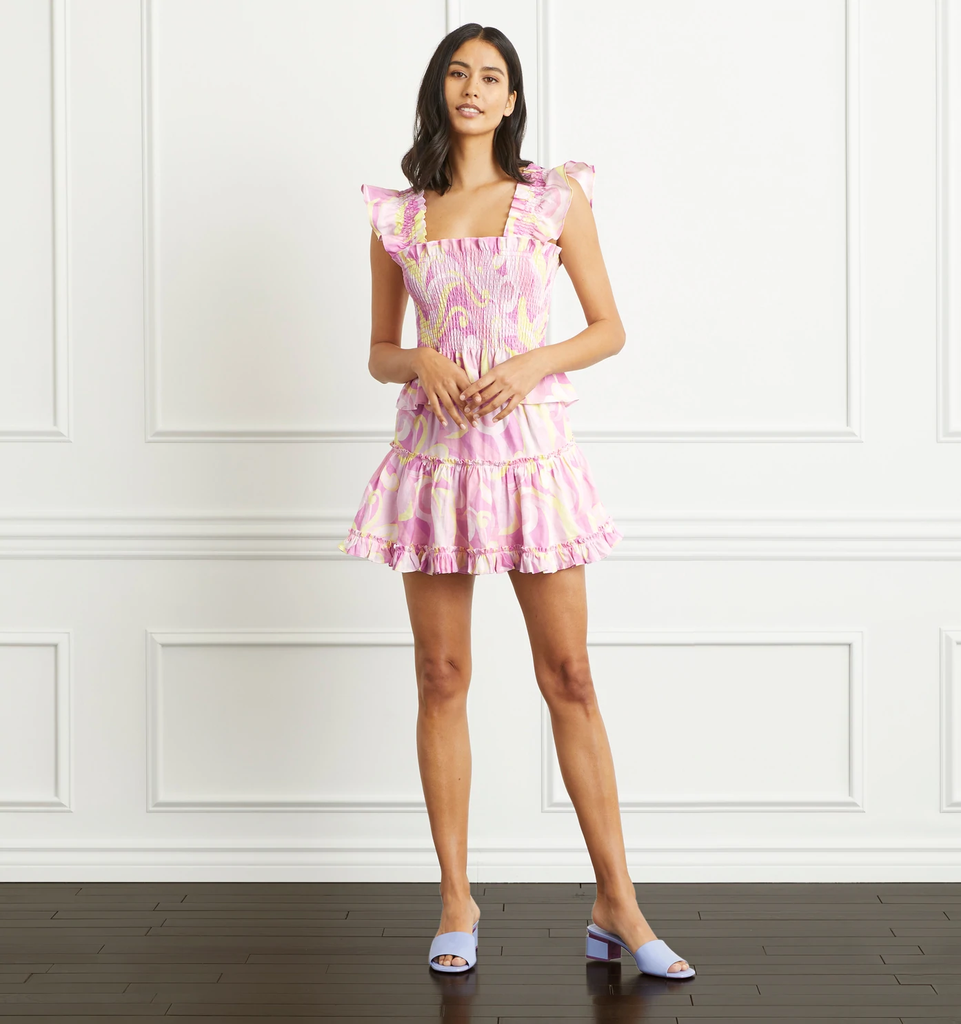
There’s a lot about spring to be excited about: The rise in temperatures, sunnier days ahead, and beautiful blooms are just a few. Spring also means it’s time to show a little leg and perhaps throw on a sundress. Well, you’re in luck because the internet’s favorite nap dress got a groovy facelift just in time for the beginning of the long-awaited spring season. Hill House Home has just launched its new retro-inspired line, The Kaleidoscope Collection.

While the last few years have not been easy, little joys like the luxuriously comfy (and cute) nap dresses from Hill House Home have kept us going. Scroll on to shop this retro-inspired collection now. Expect the same flowy, swingy silhouettes that you’ve come to love from the brand over the last few years like The Ellie Nap dress and the Paz top and skirt combo served up in soft, yummy swirls of pastel pinks, baby blues, and powdery yellows. If there’s one thing about Hill House Home we can all agree on, the dresses are too good to be in stock for long. Don’t say we didn’t warn you. 

The Ellie Nap Dress, $150

Shop Hill House

The Elizabeth Nap Dress, $150

Shop Hill House

The Lily Dress, $200

Shop Hill House

The Paz Top, $100

Shop Hill House

The Paz Skirt, $100

Shop Hill House

The Ava Dress, $150

Shop Hill House

The Skylar Pant, $125

Shop Hill House

The Allie Zip Up, $125

Shop Hill House

At Refinery29, we’re here to help you navigate this overwhelming world of stuff. All of our market picks are independently selected and curated by the editorial team. All product details reflect the price and availability at the time of publication. If you buy or click on something we link to on our site, Refinery29 may earn commission.

Like what you see? How about some more R29 goodness, right here?
I Wore Alicia Keys’ Favorite Athleta Styles

These Vegan Leather Boots Are Made From Apples

We Plucked Out The Best Plus-Size Dresses

Bridgerton Is Back. Here’s How To Do Regencycore

Dearest readers, it has come to our attention that a new era of Bridgerton is nigh (March 25) and while we prepare to watch Shonda Rhimes' new lead (played by Simone Ashley), many saucy sex scenes and (potentially) a Lady Whistledown reveal, it's also time we revisit the world of Regencycore.

Characterised by corsets, opera gloves, embroidery and OTT headwear, Regency-era fashion saw a spike in popularity after the Netflix period drama premiered in 2020. High street and designer styles flew into everyone's shopping baskets and Daphne Bridgerton herself, Phoebe Dynevor, scored a campaign with Self-Portrait promoting similar styles.

Now that season two is nearly here, we're seeing Bridgerton-inspired collections like Malone Souliers' collab with Netflix and Shondaland – featuring lace-embroidered mules and feathery pumps – while #regencycore pushes over 20 million views on TikTok.

Celebs are hopping on the extravagance, too. From Maya Jama to Euphoria's Barbie Ferreira to Squid Game's HoYeon Jung, our faves are proving it's still cool to dress like a Victorian goddess.

Keep reading for major Regency vibes from the 'gram, just in time for your viewing party this weekend.

Corsets


Corsets haven't gone anywhere between Bridgerton seasons. A corseted dress like Maya Jama's gives big rich auntie vibes, in the best way.
Corset tops are a more casual option. You can easily pair them with jeans or trousers à la Barbie Ferreira. Bet you couldn't do that in the 1800s.

Opera Gloves


Another Euphoria star, Chloe Cherry, made a case for long, extravagant gloves while at London Fashion Week last month.
Extra Bridgerton points to Jourdan Dunn for this gloves-slash-top combo and regal floral backdrop.

Sequins and Embroidery


HoYeon Jung's beaded gown was a sight for sore eyes at this year's Critics' Choice Awards and is reminiscent of Lady Bridgerton's most elaborate ballgowns.
Who says you can't incorporate embroidery into your everyday wardrobe? Take note of how Vanessa Hudgens displays this modern take on the classic style.

Suiting


Try a three (or four!) piece suit when you want to lean into lord and viscount territory. Normal People's Daisy Edgar-Jones makes a regal statement with a pussy bow tie and lace shirt.
Skirt suits count too, thanks to this reminder from Storm Reid.

Empire Waists


Regencycore couldn't exist without the empire waistline and Selena Gomez is here to prove that it's just as transferable to 2022 as it was to 1812.
Maude Apatow in this empire waist dress can do no wrong.

Like what you see? How about some more R29 goodness, right here?

Season 2 Of Bridgerton Now Has a Launch Date

What Is Wearing A Corset Really Like?

11 Opera Gloves That Exude Main Character Energy