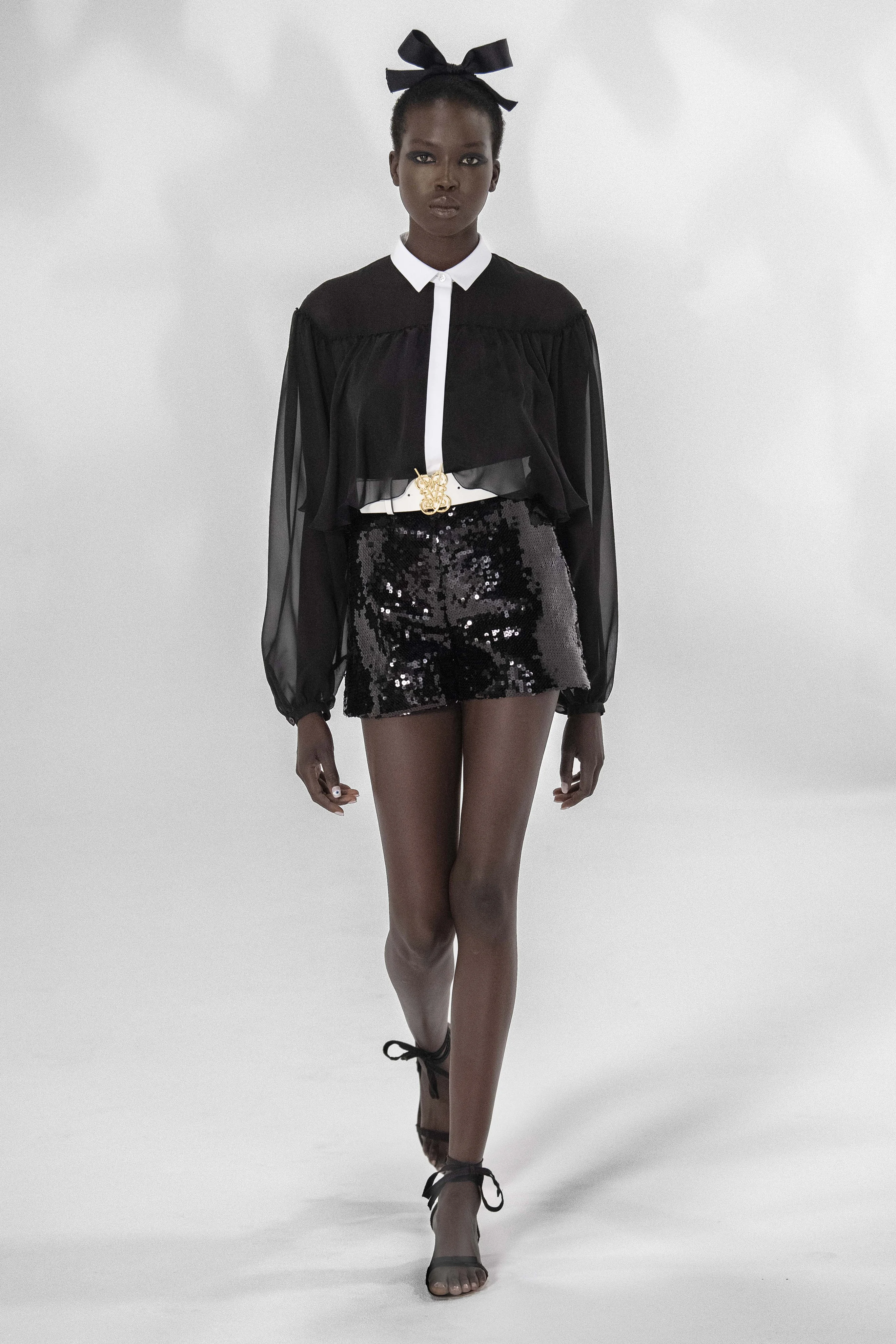
Typically, the front rows at Paris Fashion Week would provide as much fashion inspiration as the runways. Any other year, Christian Dior, Chanel, Louis Vuitton, and more, would be packed with the likes of Rachel Brosnahan, Margot Robbie, Janelle Monae, Lupita Nyong’o, and Emma Chamberlain in the brand's most standout designs. In 2020, though, due to travel restrictions and social distance guidelines as the result of the pandemic, many of the celebrities weren’t able to make it to the international fashion capital. Instead, they watched from home — which unexpectedly provided just as many memorable looks.
This season, brands like Miu Miu and Louis Vuitton set up virtual front rows to allow their most loyal (and influential) fans to not only watch them present their spring ‘21 collections from home but also to be seen by all (including in-person attendees and virtual viewers). Screens were set up around the brand’s respective venues, showing the stars at home. Naturally, for the occasion, celebrities didn’t show up in a lockdown uniform of sweatsuits and heels. Instead, they appeared dressed head-to-toe in fashions from their favorite labels. Newly engaged Nicola Peltz and Emma Chamberlain got dolled up as they normally would for Louis Vuitton, as did Storm Reid, Gabrielle Union, and Beanie Feldstein for Miu Miu. All in all, we still got to see the front row regulars dressed to the nines at Paris Fashion Week — they were maybe just a bit more... pixelated than we’re used to.
Ahead, check out the best-dressed celebrities from Paris Fashion Week: at-home edition.
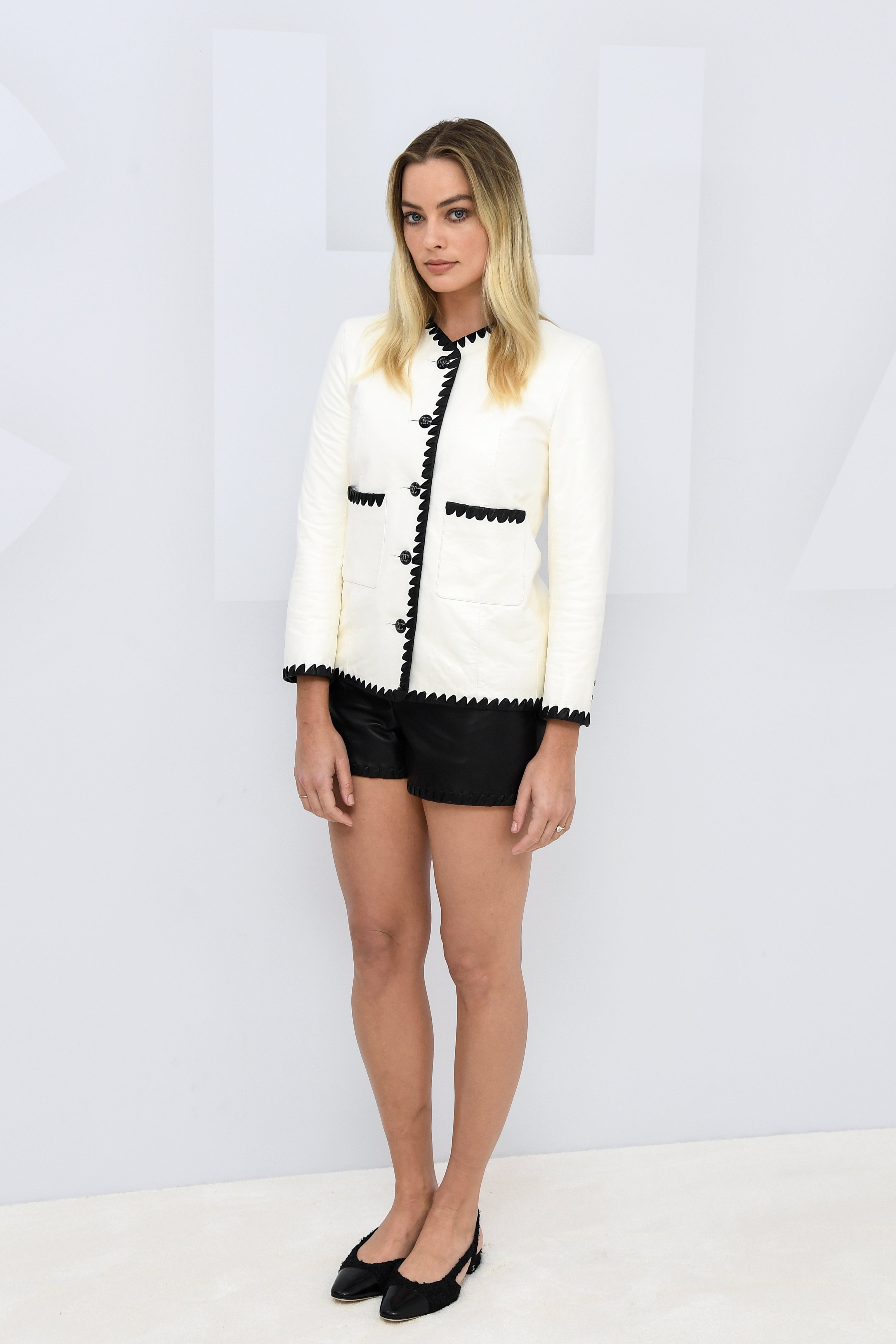
Margot Robbie, Chanel
It might look like Margot Robbie was actually at Chanel's show in Paris this week, but, in reality, this photo was taken remotely — which begs the question: How do we get our hands on our own giant Chanel backdrop?
Camila Morrone, Chanel
Valley Girlremake actress Camila Morrone went classic black-and-white to watch the spring '21 Chanel show from home in L.A.
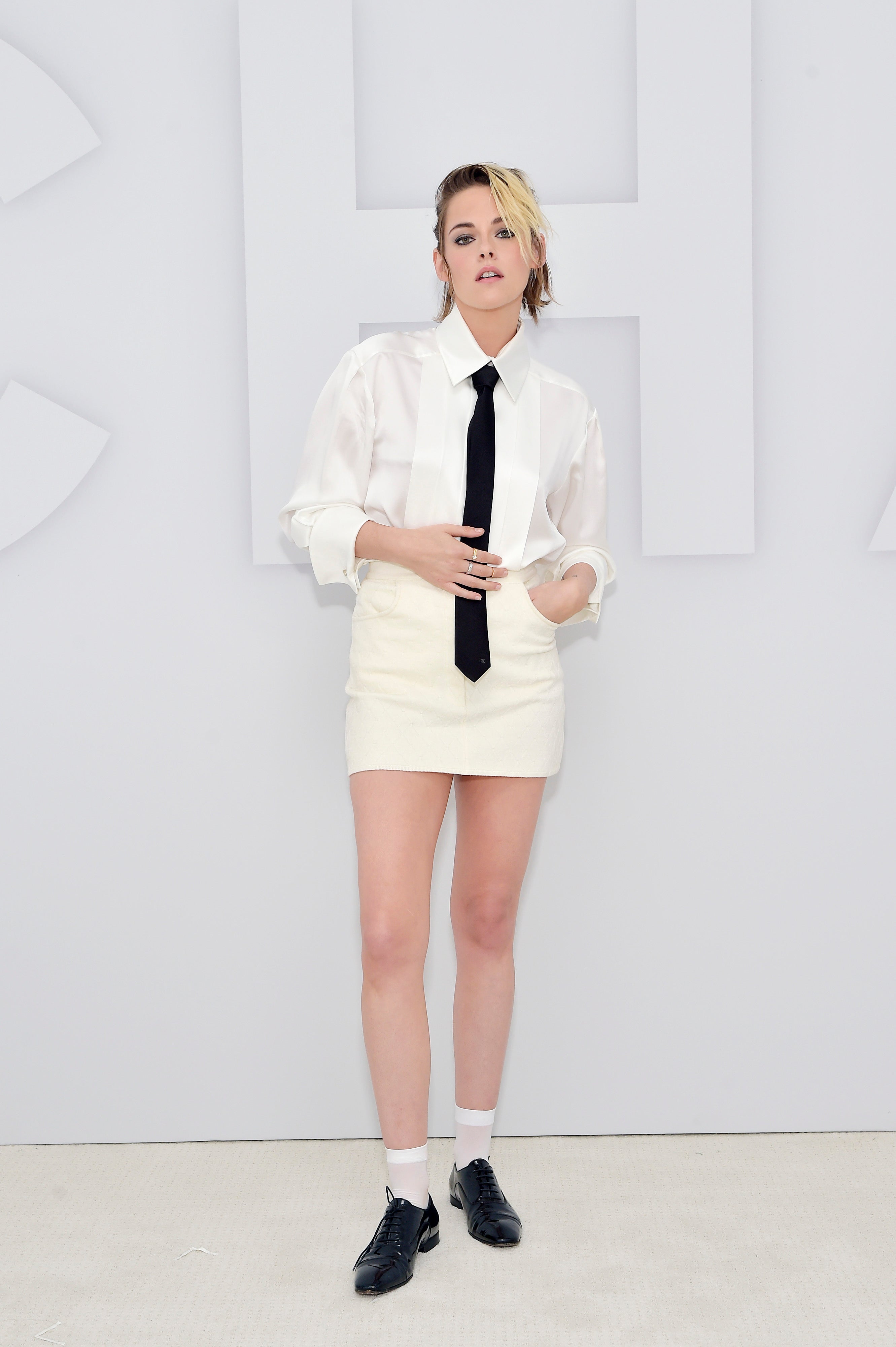
Kristen Stewart, Chanel
Like Robbie, Kristen Stewart also got dressed up to pose as if she was actually at the Chanel show in this back-to-school inspired look.
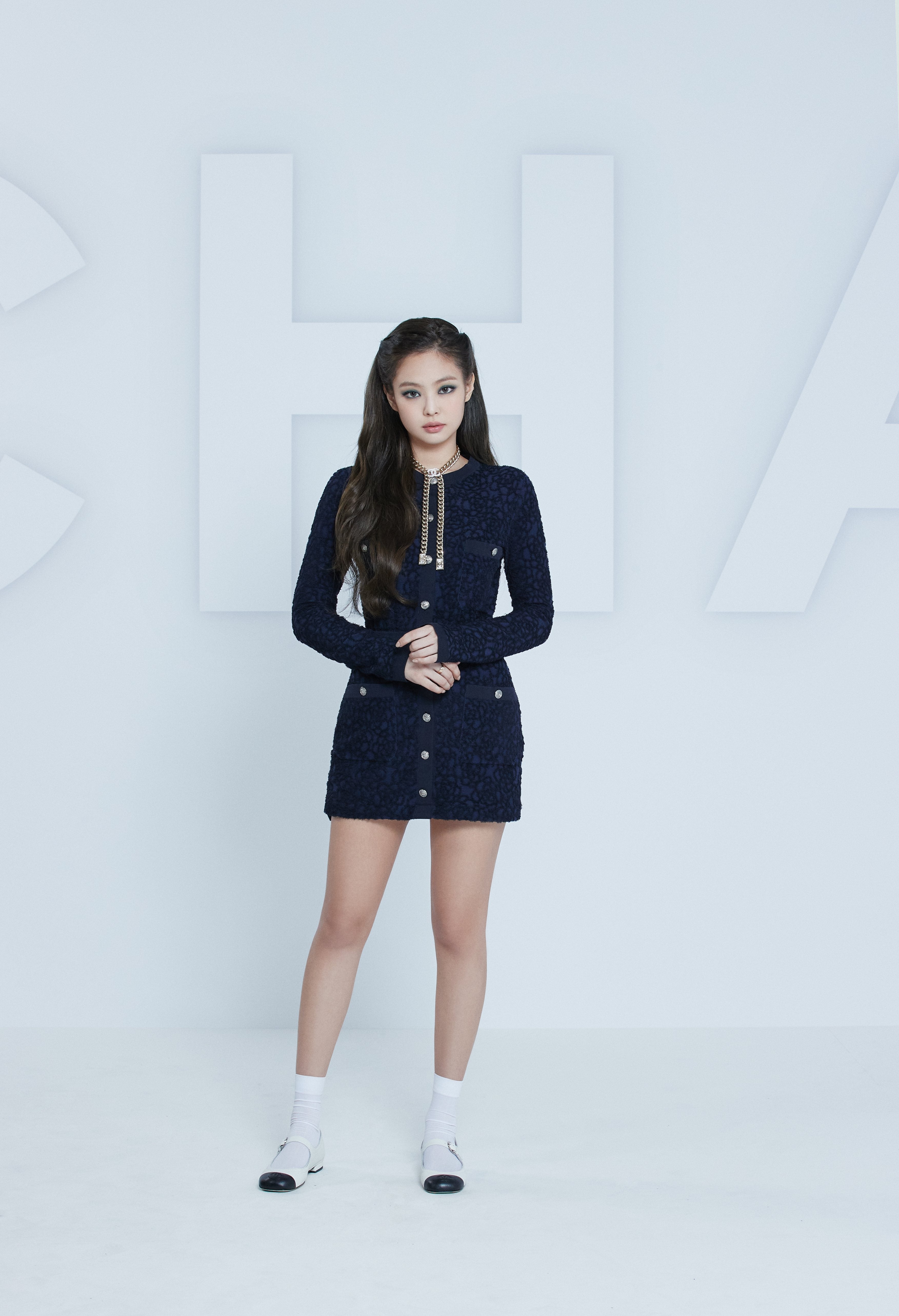
Jennie Kim, Chanel
Blackpink singer Jennie Kim wore the little tweed dress of our dreams this week while virtually attending the Chanel show. With the long-sleeved, navy blue dress, she wore white Mary-Janes, white socks, and a thick, gold chain necklace.
Jessy Barden, Chanel
The End of the F***ing World star Jessy Barden is usually a regular front-row attendee for shows like Chanel and Gucci. This year, though, she chose to, instead, dress up in garb from the former label for a shoot in her backyard. (Nice.)
Gabrielle Union, Miu Miu
In between designing a fashion line for New York & Company, being a mom, and posing for the cover ofMarie Claire, Gabrielle Union still found time to get all dressed up for the Miu Miu show this week.
Beanie Feldstein, Miu Miu
Miu Miu and Beanie Feldstein pretty much go hand-in-hand. The Booksmart actress wore Miuccia Prada's youthful label to the 2020 Oscars and also regularly attends the brand's fashion week shows. Now, despite being home in her childhood bedroom, she's continuing the streak, by "dressing up as Blair Waldorf," according to her Instagram, in all Miu Miu.
Storm Reid, Miu Miu
Euphoria actress Storm Reid may have just upped her on-screen big sis, Zendaya, in the fashion department with this Miu Miu ensemble for this week's show.
Bel Powley, Miu Miu
Bows, collars, socks, and Oxfords — what more could we ask for from Bel Powley, who watched the Miu Miu show from her kitchen table, according to Instagram.
Emma Chamberlain, Louis Vuitton
Emma Chamberlain, the queen of content, took to her front yard to show off her cream-colored Louis Vuitton puffer, matching padded jeans, and lug-soled loafers.
Nicola Peltz, Louis Vuitton
Even lounging on the floor at home, Nicola Peltz looks perfect. The occasion? Watching Louis Vuitton's spring '21 collection online. Also, can we take a second to appreciate these pants? Like, damn.
Like what you see? How about some more R29 goodness, right here?
Born on social media, dark academia sees users posting photos and videos that romanticise a passion for art and knowledge. It’s stacks of books piled high; longing for a New England university campus you’ll never visit; the corduroy, plaids and tweeds of academic autumnal fashion; getting lost in the library like Belle in Beauty and the Beast. Although the origins of dark academia remain unclear, its genesis appears to be a heady mixture of a few key cultural works. Donna Tartt’s 1992 novel The Secret History is the trend’s foundational text but films like Dead Poets Society (1989) and Kill Your Darlings (2013) also serve as essential influences. Like the books and films that inspired it, dark academia draws an idealised version of campus life, typically at a hallowed and historic university.
Importantly, dark academia captures a kind of nostalgia for a life which is yet to be lived – dreams of being an art history student at Oxbridge or studying classical literature at Harvard. Crucially, like many other internet-born, aesthetics-led trends, dark academia is hyper-curated and hyper-performed. Like #studygram and #studyblr, popular hashtags on Instagram and Tumblr respectively which also aestheticise studying, dark academia turns an everyday activity like reading on the sofa with a cup of tea into a performance for an online audience, amped up with piano music, non-prescription spectacles and sepia-toned filters. As anyone who has ever attended a messy, WKD-stained freshers’ week will attest, this cinematic version of the university experience rarely becomes reality but, in 2020, dark academia is providing a dreamy digital substitute for all the students whose plans for further education and freedom have been paused by the pandemic.
The dark academia hashtag has 93.1 million TikTok views and 200,000 posts on Instagram and, as we welcome autumn, it continues to gain traction. Yazmin How, TikTok’s UK editorial lead, says: “It is always inspiring to see our community shape and respond to a new trend like #darkacademia and really make it their own. We first saw this trend in the summer and it’s now having a resurgence, inspired by everything from autumn fashion and education, to the gothic novel to Harry Potter.” The styling is an important part of dark academia, with countlessvideos and posts providing inspiration. If you’re a beginner, think Smiths-era Morrissey meets Brideshead Revisited: tweed blazers with elbow patches, knitted sweater vests, classic trench coats, Oxford brogues and a plethora of cardigans.
Many students-to-be have experienced the longest, seemingly never-ending summer holiday of their lives. Dark academia sees them longing for the schooling they had always felt an affinity for but which now feels out of reach. Yukta, 16, runs an Instagram account where she posts dark academia outfits. She explains how she discovered dark academia last year and that it naturally fits with her personality as a bibliophile; others, though, are far newer to the aesthetic. Lauren, who creates TikToks exploring the fashion intersections of dark academia and Harry Potter characters, says that she was drawn to the trend at the very beginning of lockdown, finding it comforting. “The aesthetic is a way to make the most of your current situation,” Lauren says. “It appeals to me because there’s something kind of mysterious and aloof about it. Studying classics at a university in a cobblestoned town just seems outside of your run-of-the-mill experience.” In these uncertain times, it’s perfectly plausible to want to submerge yourself in daydreams and romanticised idealisations.
Cottagecore is another trend to emerge this year which is rooted in fantasy and escape. Both cottagecore and dark academia reject our current reality, their deliberate romanticism a kind of countercultural response to political failings and the interminable tragedy of a global pandemic. While cottagecore relies on the charm of nature and plush outdoor spaces which are not easily reached, dark academia is celebrated for its accessibility. To embrace dark academia, you can simply wear vintage cable-knit sweaters and carry around charity shop-bought Jane Austen books. It requires no stately homes or schedules allowing for spontaneous day trips, just an analogue-inspired photo filter and a penchant for reading in your bedroom.
Like cottagecore, though, dark academia has been criticised for its elitism and Eurocentrism, which is to be expected when an entire subculture dedicates itself to the historically white aesthetic of the Western literary canon. But similarly to its sister trend, it’s being reclaimed by people who have been rejected from traditional colonial institutions. In 2019, just 22% of the University of Oxford’s undergraduate intake were from BAME (Black, Asian and minority ethnic) backgrounds but in the online world, people of colour are claiming the academic ethos and aesthetic for themselves. Sumaiyya, a hijabi woman who runs a book club dedicated to immigrant and Muslim stories, explains: “There is potential for dark academia lovers like myself to insert our own cultural contexts. That’s why it’s a great subculture; anyone can contribute and add their own ways of seeing and experiencing dark academia.”
A post shared by Channing Lomax (@chanrosslo) on Oct 5, 2020 at 12:23pm PDT
The trend has come under fire for romanticising mental health issues, too. Rachel, 23, a dark academia Instagrammer and TikToker who goes by the username @caffeaulait, explains the double-edged sword of dark academia’s newfound popularity. “With COVID-19, students are longing for the ‘college experience’ that they’re missing out on right now and are living vicariously through mood boards and novels romanticising campus life.”
However, she points out, this also comes with intellectual elitism and pressures to keep up with the standards of work, which so often break students down. It’s often forgotten that the literature which inspired this aesthetic – The Secret History, M.L. Rio’s If We Were Villains and A Little Life by Hanya Yanagihara – creates idealised but exaggerated stereotypes of highly strung but ultimately unhappy students. Research has shown a steady decline in mental health among students over the last 10 years: one in five students report having a mental health condition and one in four say they experience loneliness, according to a 2019 survey by the Higher Education Policy Institute (HEPI). Sumaiyya agrees that within the trend there is a clear “romanticisation of toxic habits, moral corruption and even mental health issues”. While these subjects should not be stigmatised, neither should they be aspired to for the sake of an aesthetic. After all, few of these novels have happy endings, highlighting that dark academia is a cautionary tale.
Having said this, dark academia is liberating for its users through its space for creativity. TikTok creators are using the hashtag to share content around their fashion choices, literature recommendations and romanticised academic institutions, breaking down conventional stereotypes in the process. Although the aesthetic is largely reminiscent of men’s looks from the 1930s and ’40s, nothing in dark academia is given traditional masculine or feminine signifiers; the trend emphasises a dismantling of gender stereotypes, embracing gender fluidity instead. From A Little Life to Kill Your Darlings, campus stories often feature explicit or underlying queer themes, something TikTok creators have fully embraced.
Yet this representation is ostensible; Rachel questions The Secret History’s reputation, highlighting that it’s “dominated by European cultures and white characters” and “shows a good deal of racism and homophobia (despite queer-baiting).” Many of the characters in these stories suffer tragic fates, often because of their sexuality, which raises questions about the types of representation that should be praised.
It is right to critique dark academia but it is also an aesthetic worth celebrating, especially since it has blossomed in such a troubling time. As Sumaiyya says, it is “a way for bookworms and bibliophiles to reclaim their bookish identity and feel pride, especially if they were bullied and ridiculed for being bookish and nerdy” in school.
When the pandemic took away students’ opportunities to geek out, dark academia was there to fill the void. Right now it seems only natural to want to leave the outside world behind and escape into fantasy and fiction, into grand buildings where curiosity, friendship, the pursuit of knowledge and a wealth of great fashion are prized above all.
Like what you see? How about some more R29 goodness, right here?
Paris Fashion Week is always the apex of fashion month, with its next-level street style, unparalleled lineup of runway shows, and celebrity-packed front rows. And while international travel limitations may have resulted in some of its usual crowd being forced to watch from home, for the most part, COVID-19 didn’t hinder fashion from taking over the French capital this week with trends just as standout as years past.
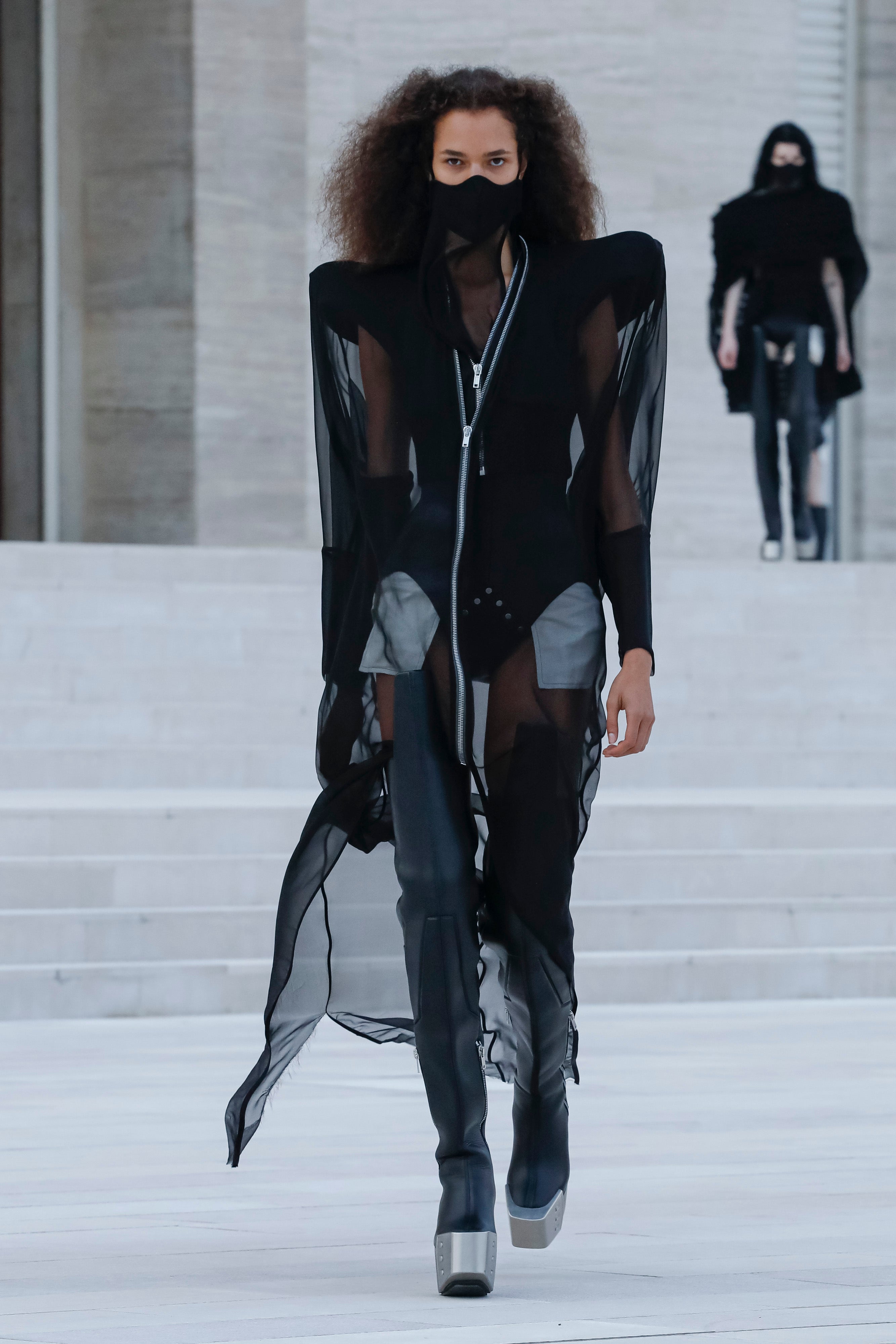
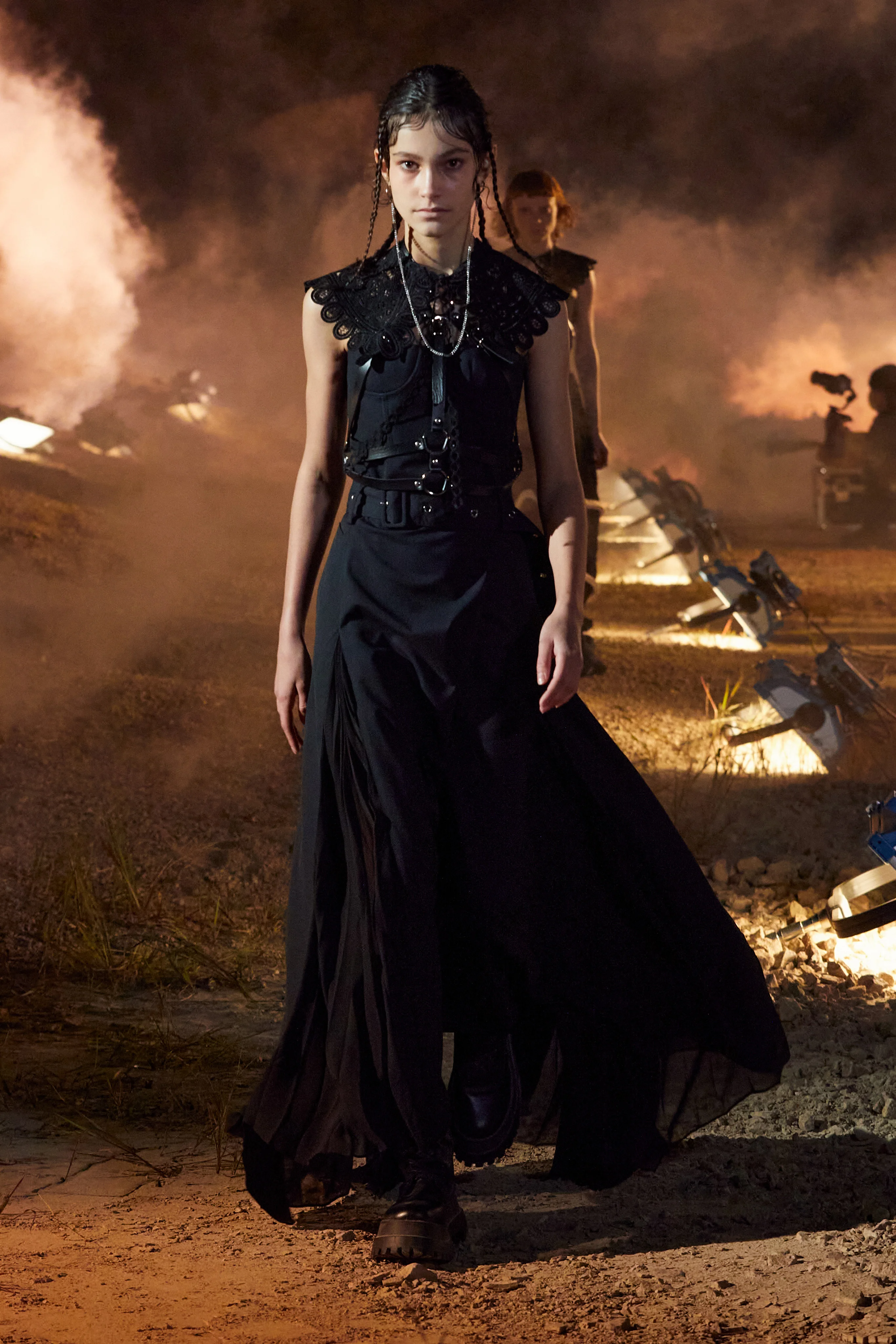
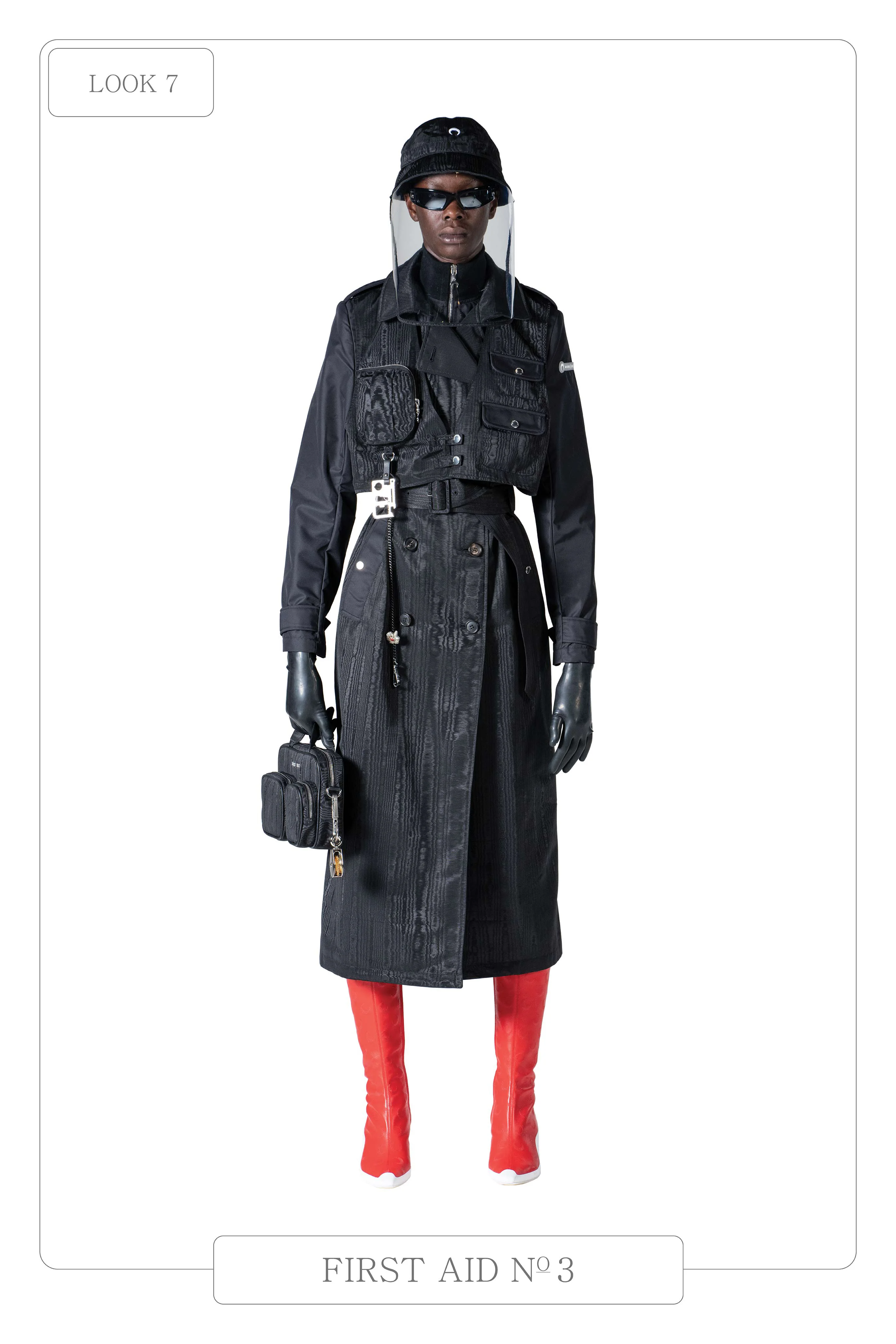
At Rick Owens, Marine Serre, Rokh, Maison Margiela, and more, the bleakness of the last seven months was transformed into something beautiful. Big shoulders, face coverings, and gothic colors, silhouettes, and backgrounds made for fashion that was an escape. Not an escape from reality (after all, our reality is pretty dark right now), but rather, an escape from the faux normalcy that so many designers have been pushing for this season.
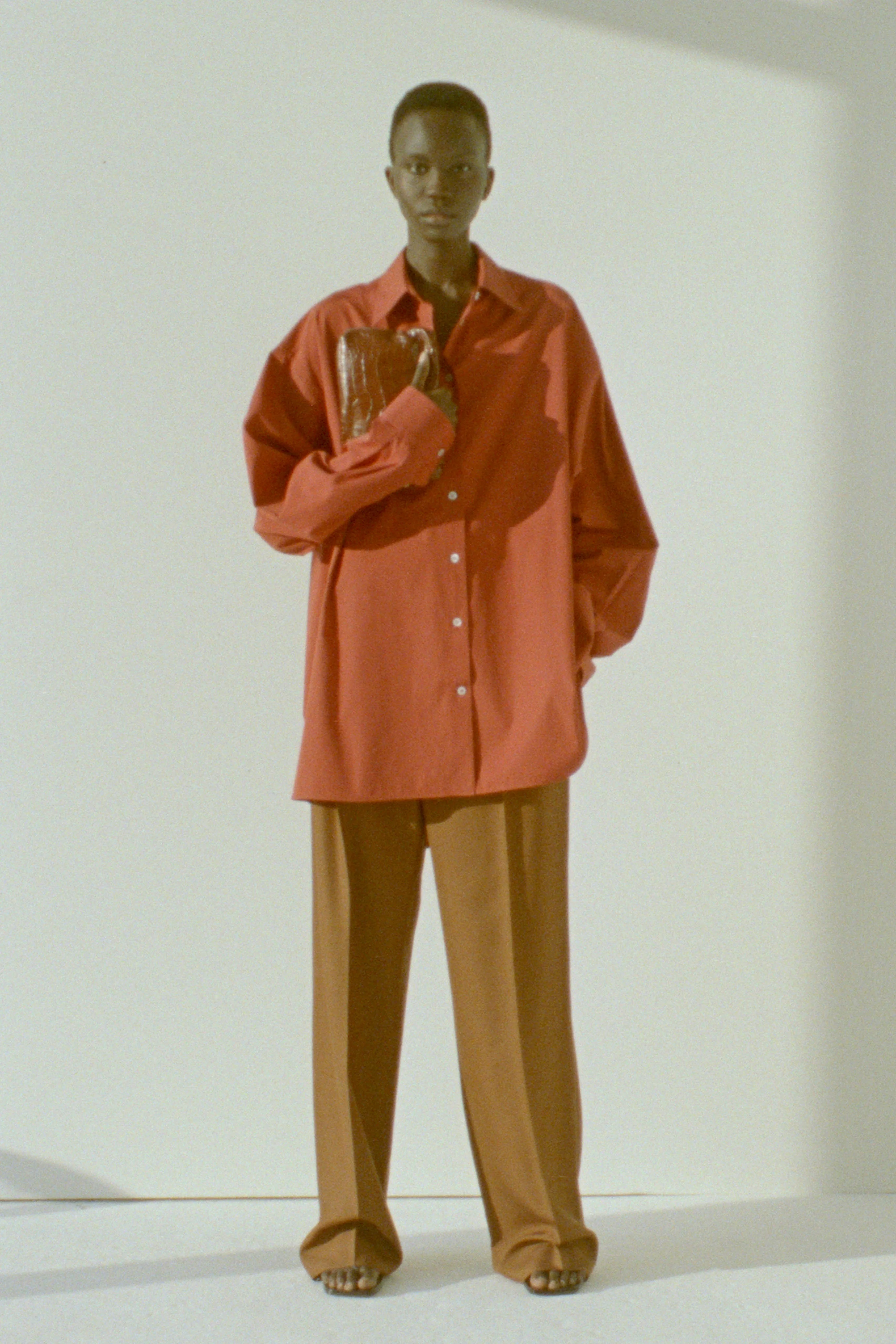
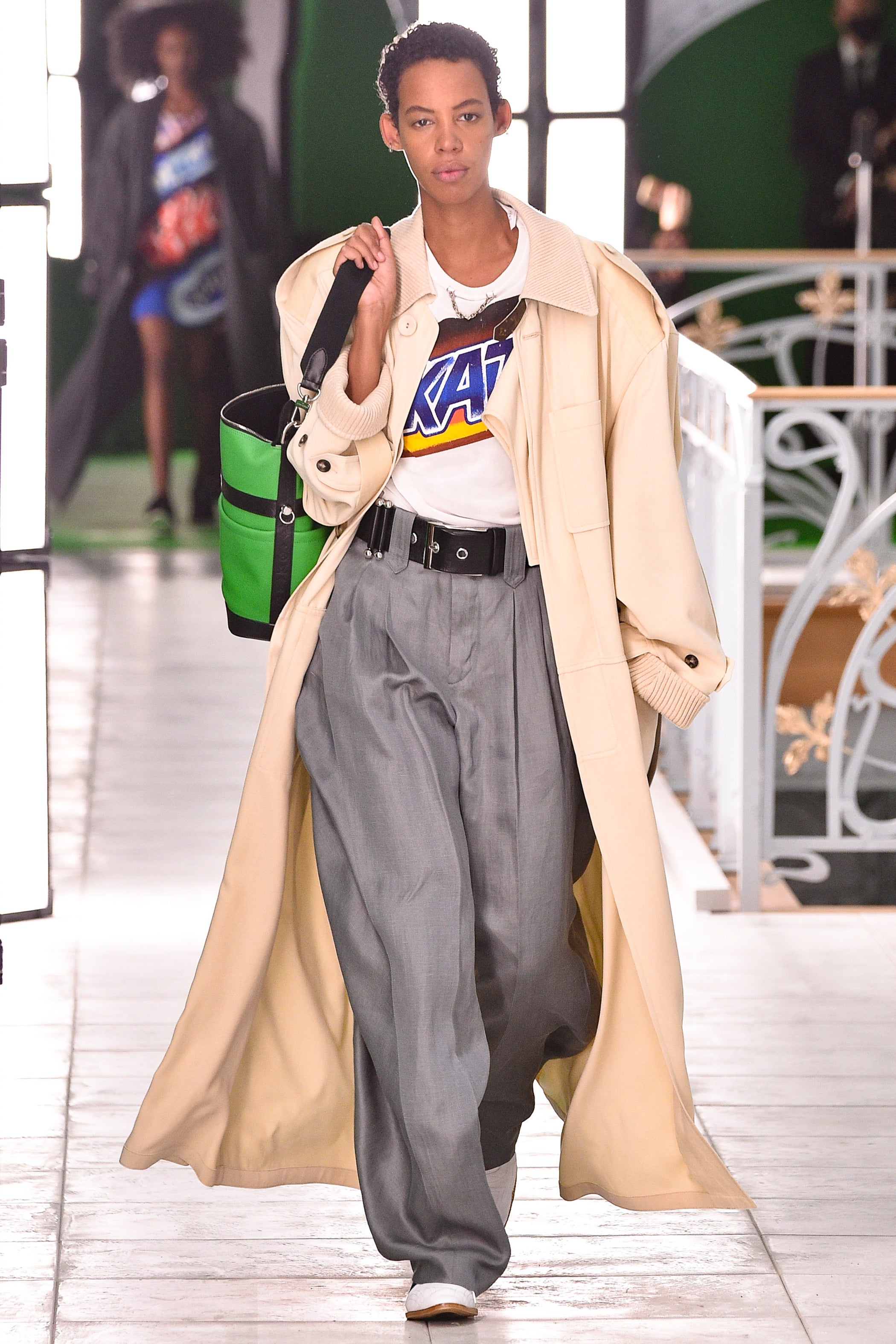
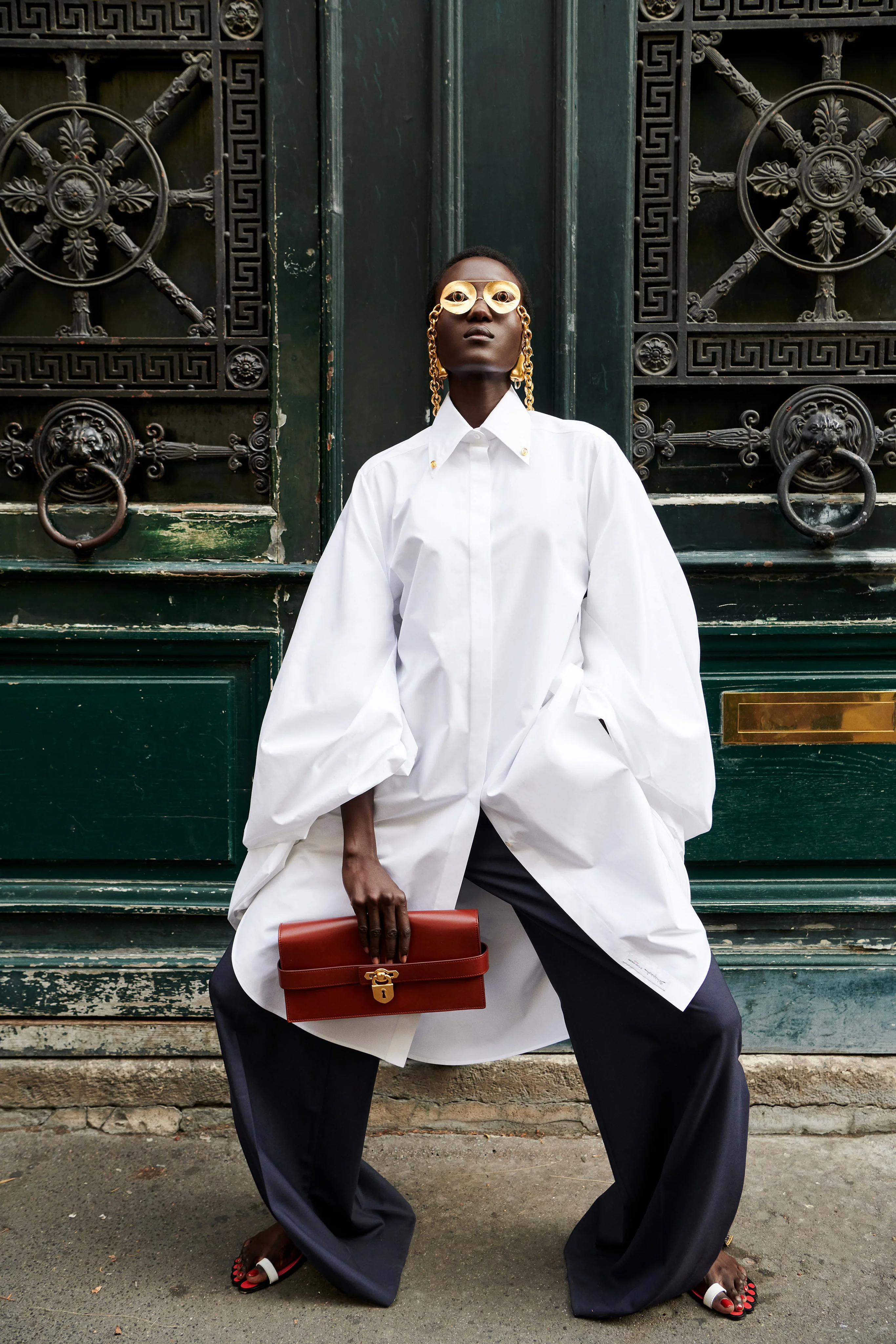
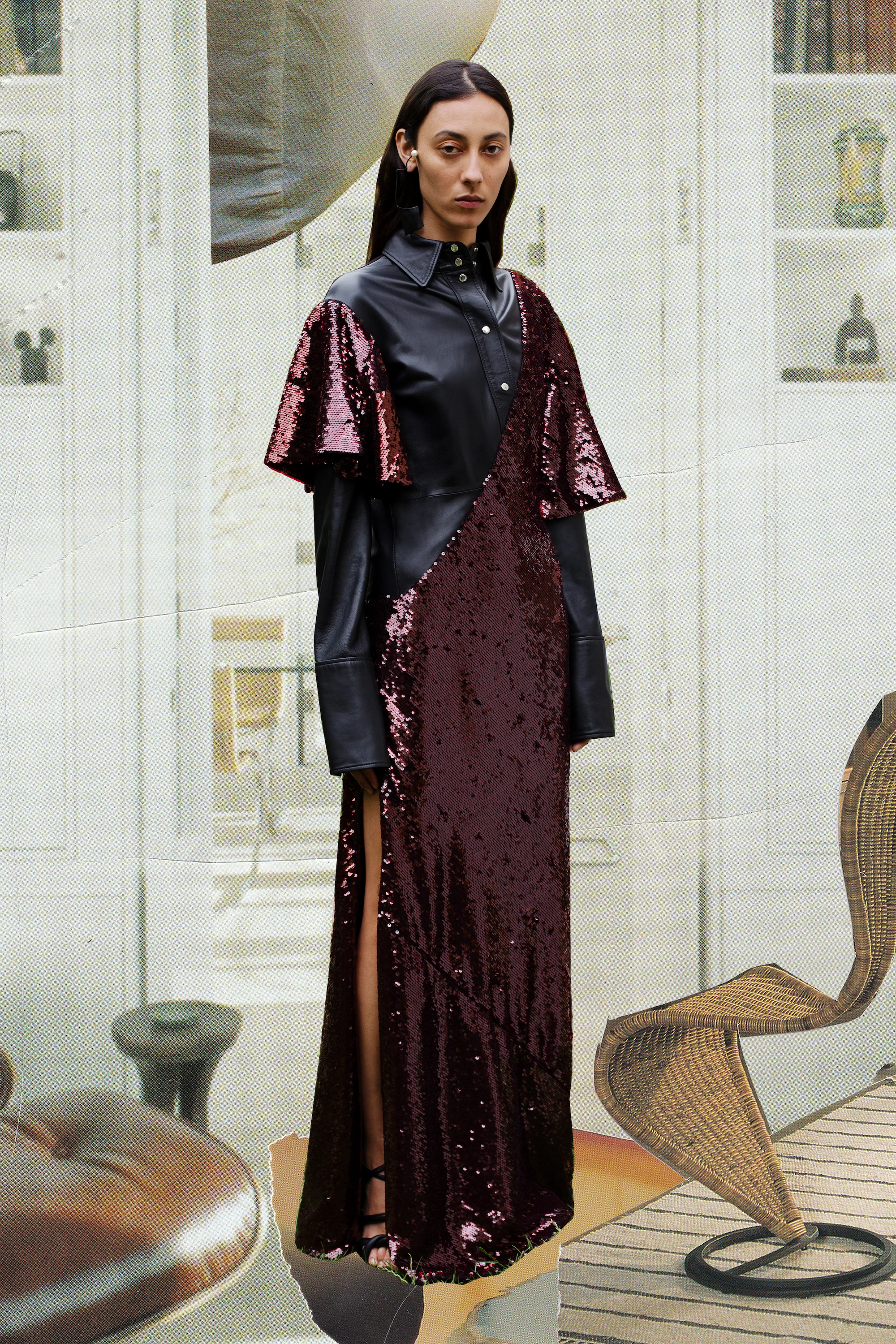
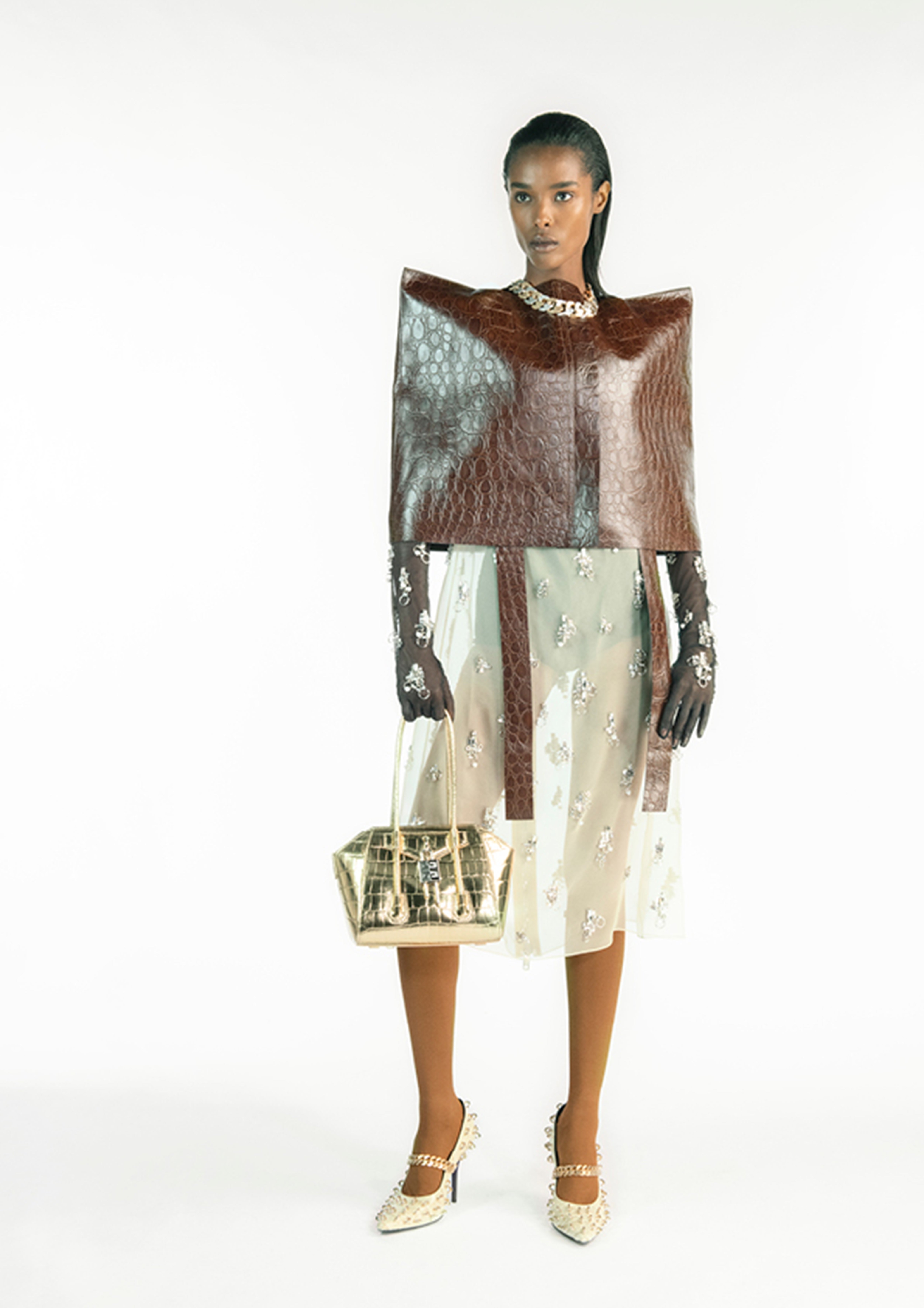
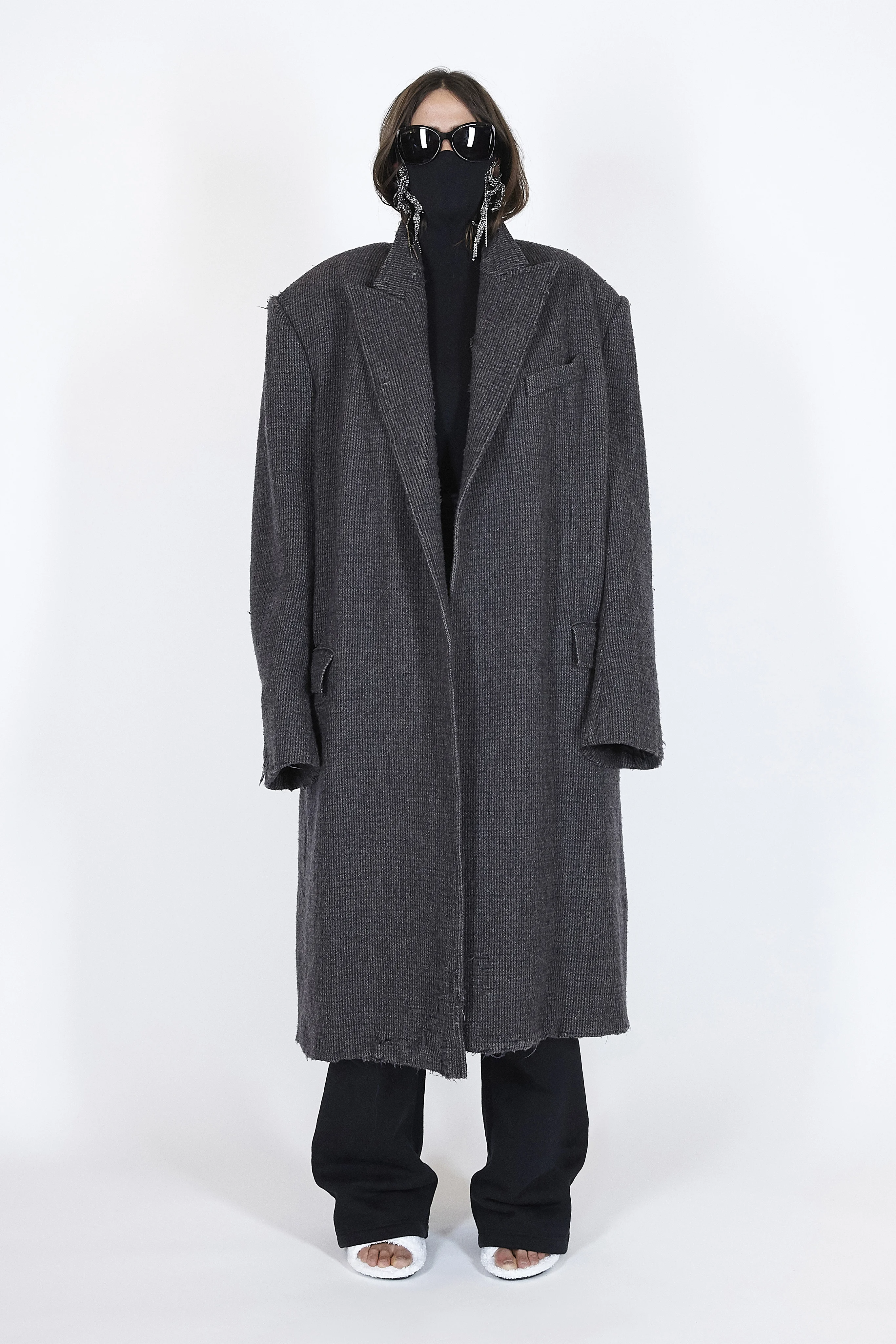
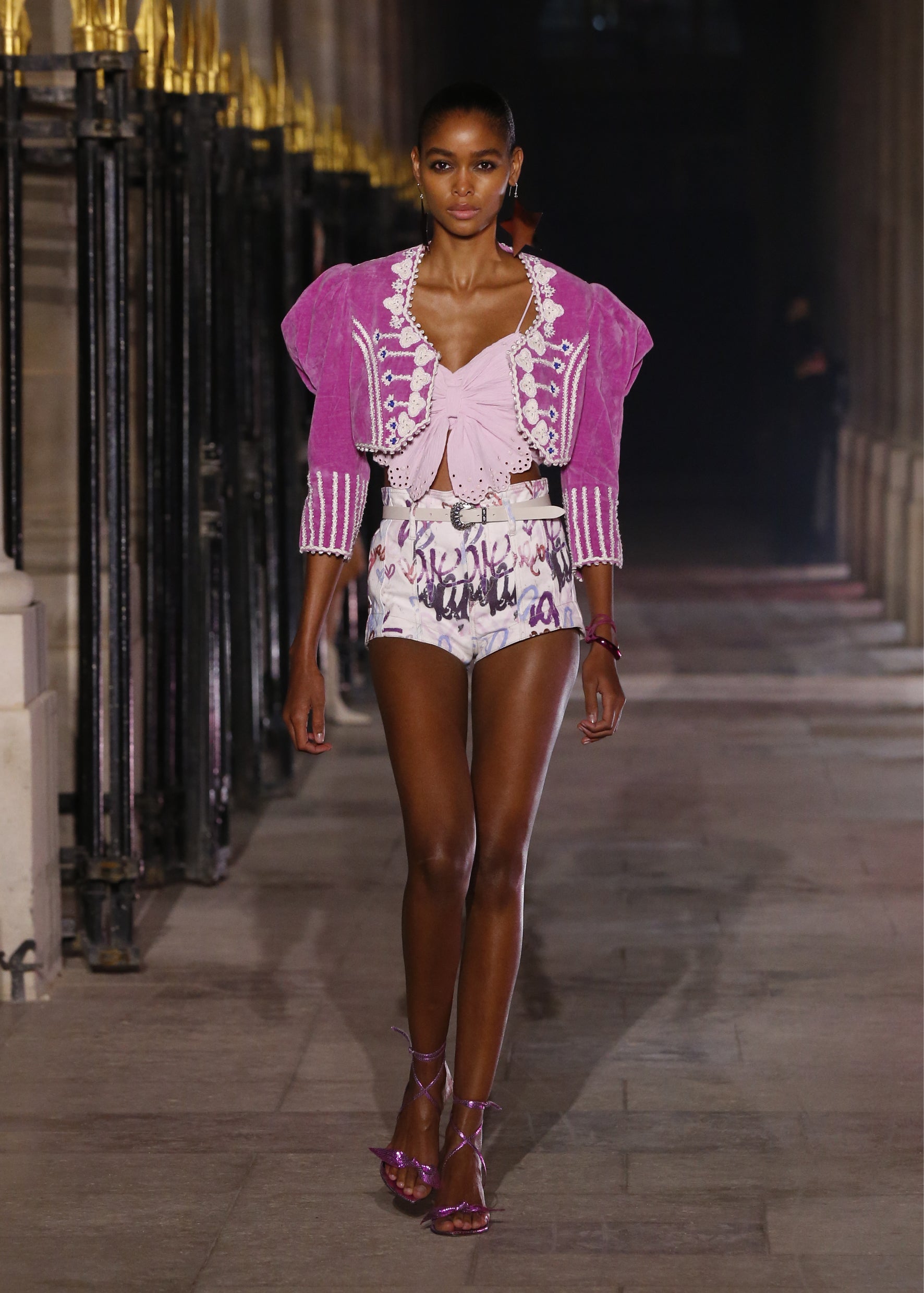
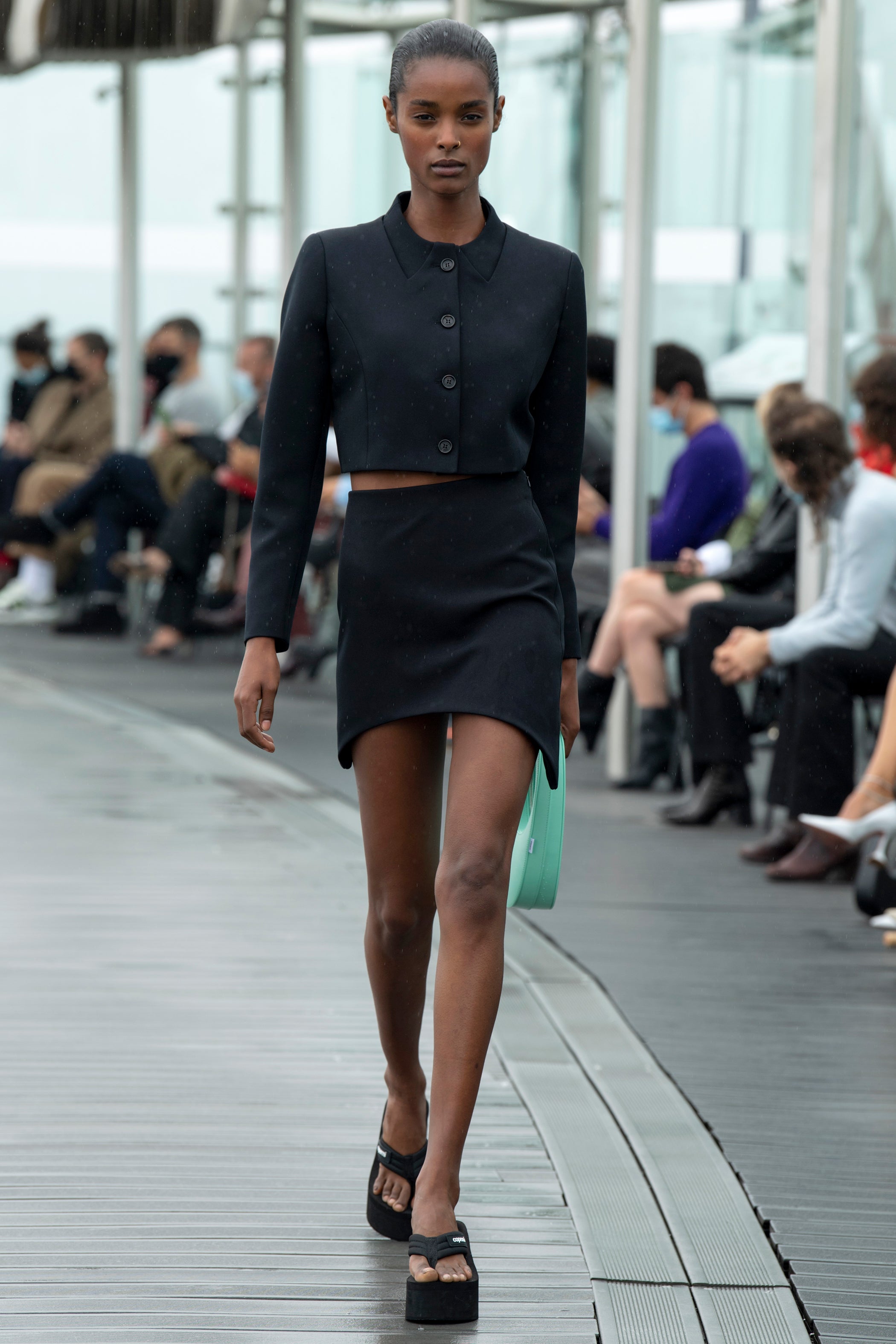
On a lighter note, lockdown trends continued to show face, just as they did in New York, London, and Milan. Oversized, slouchy silhouettes were prevalent at The Row, Louis Vuitton, Balenciaga, and Schiaparelli, as were deconstructed pieces — found at Christopher Esber, Ellery, Coperni, and more — which had us pulling out our scissors and sewing machines mid-virtual show to break apart one piece and transform it into another. Shoulders were big and bulky at Louis Vuitton, Isabel Marant, and Givenchy — a sign that designers, too, want to keep people six feet apart at all times. (The shoulders could also be a symbol of power and confidence, as they were for women following the Great Depression in the ‘30s.)
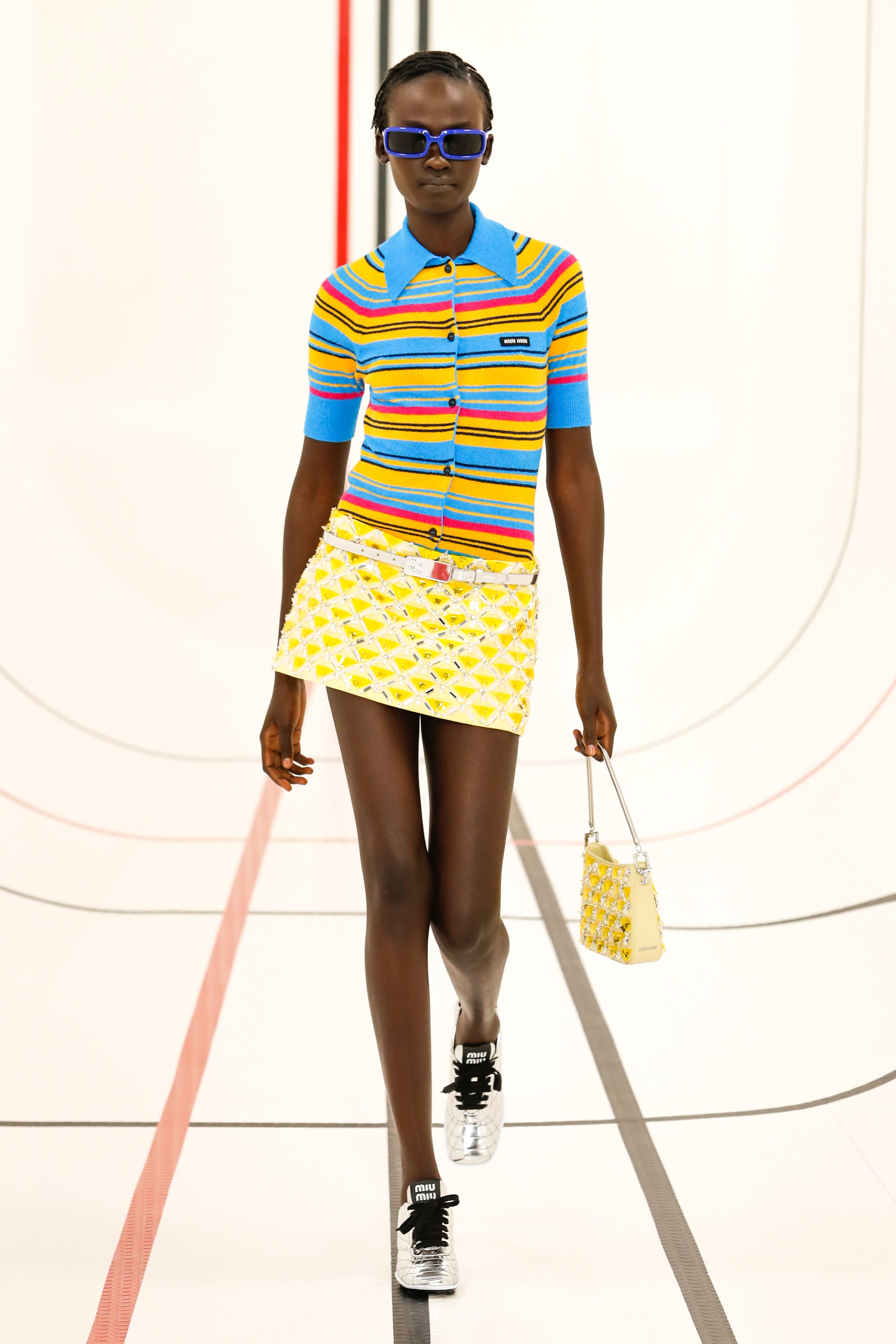
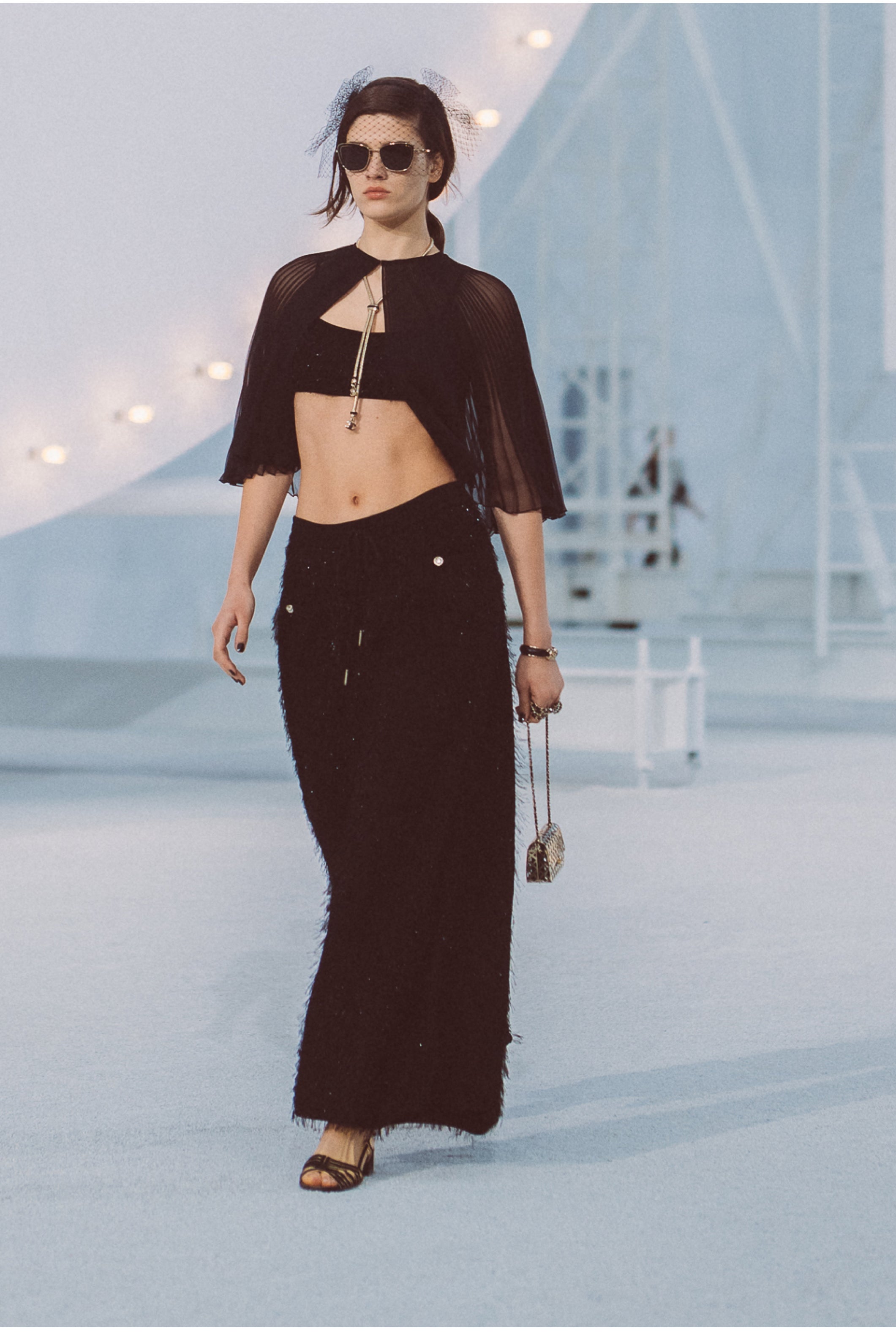
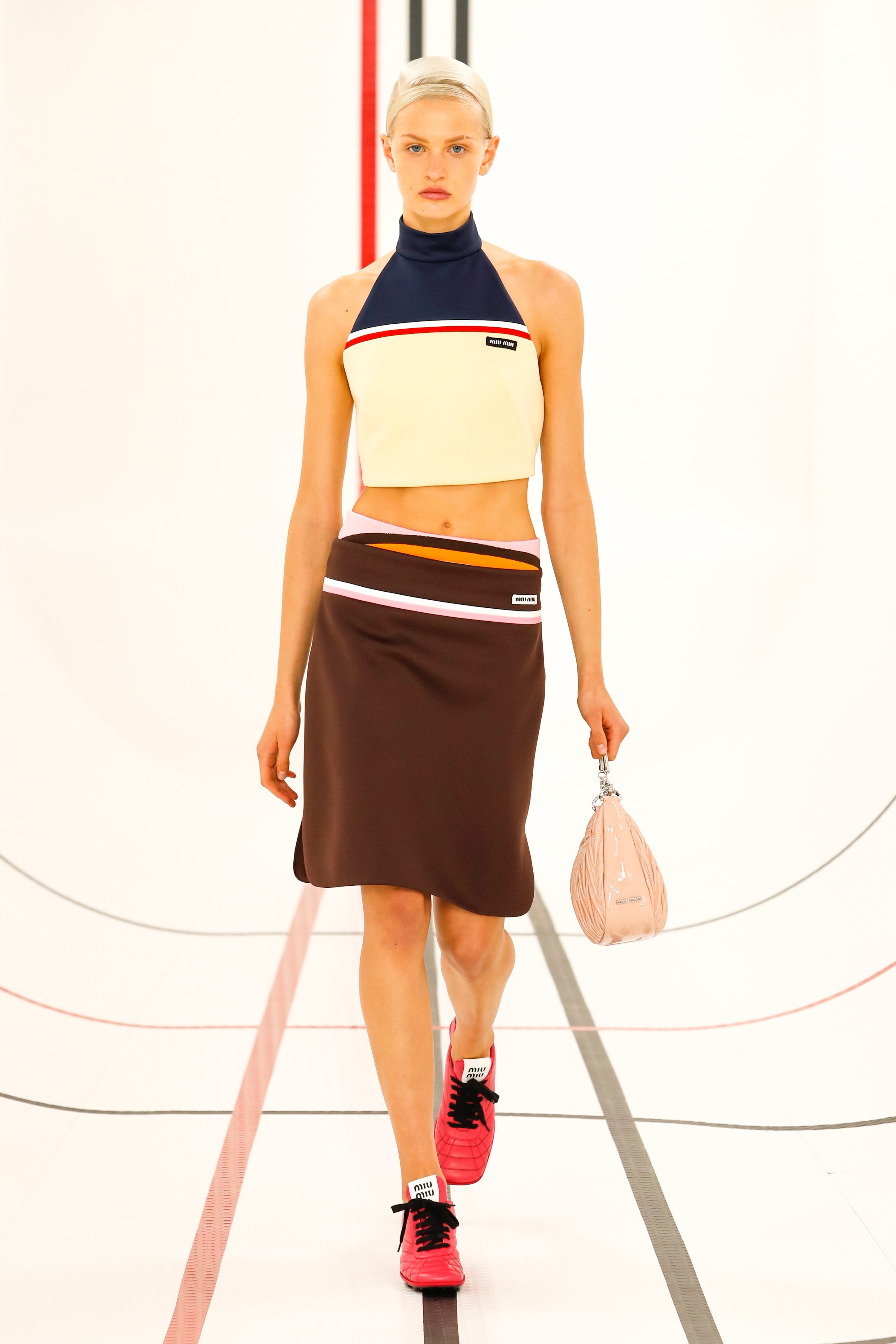
The week’s shows also acted as a reminder that fashion can still be fun and whimsical, despite everything going on in the world. At Miu Miu, Miuccia Prada presented micro-minis paired with sporty zip-ups, all of which were brightly colored and youthful. Midriffs were out to play at Coperni, Chanel, and Christopher Esber.
Click ahead for our favorite trends from Paris Fashion Week.
Face Coverings
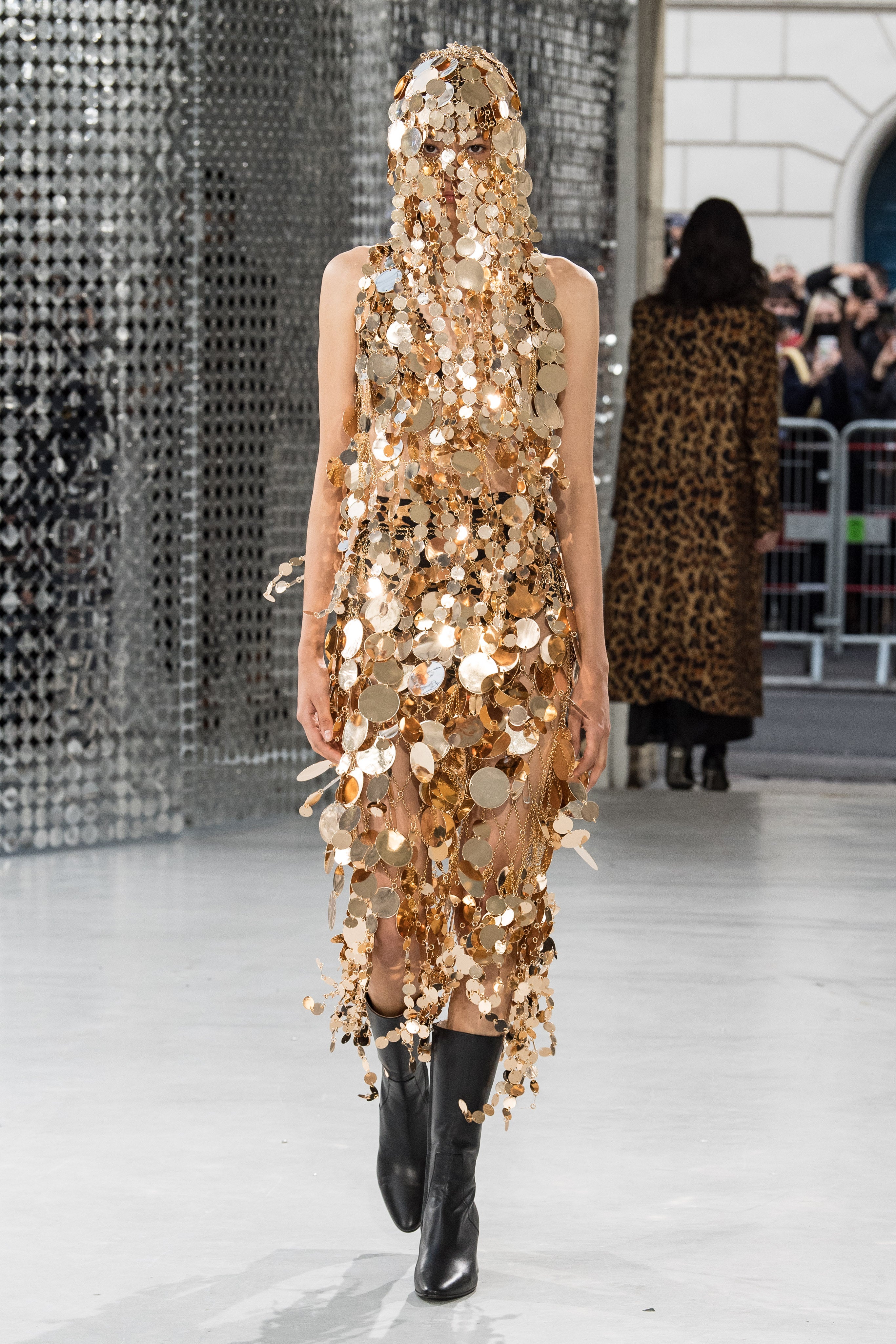
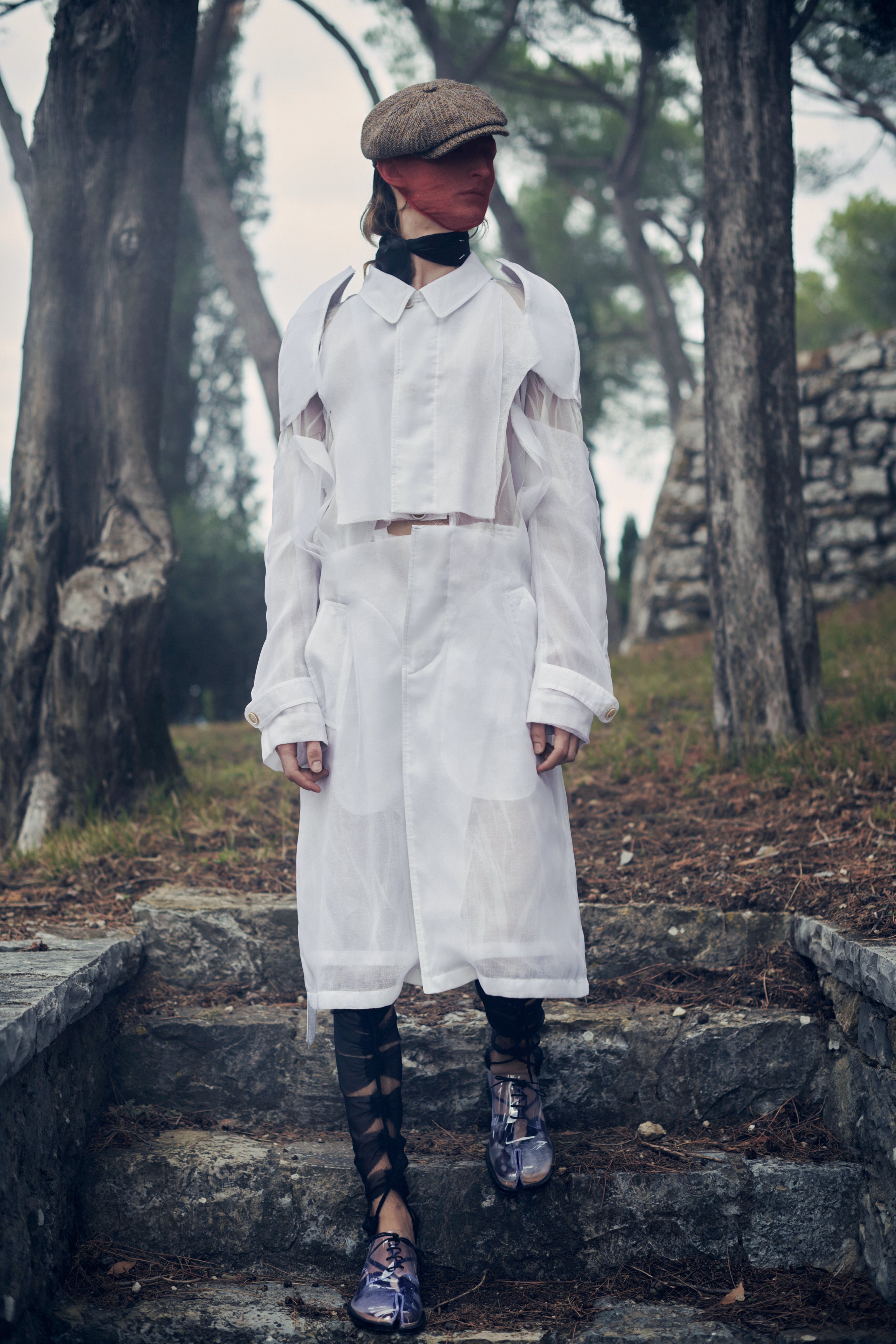
Surprise, surprise: Similar to NYFW, face masks made an appearance at Paris Fashion Week. While not every face covering included this season is effective against the spread of COVID-19 — Chanel’s black veils, Maison Margiela’s red tulle masks, and Paco Rabanne’s sequin hoods, though all very pretty, not exactly medical-grade — they were a sign of the times.
Paco RabannePhoto Courtesy of Paco Rabanne.Rick OwensPhoto: OWENSCORP.Maison MargielaPhoto Courtesy of Maison Margiela.
Oversized Fashion
If we had to name off one trend that’s made the biggest impression during all of fashion month this season, it’d be oversized, slouchy clothing. It was in New York, London, and Milan, so, of course, Paris wouldn’t dare be left out of the mix. At Louis Vuitton, trench coats slouched, pants puddled, and everything was heavily cinched at the waist with a big belt. The same was showcased at The Row, where big Oxford shirts were layered over even bigger T-shirts, which were then paired with pants that were, you guessed it, big. Along for the ride were Balenciaga and Schiaparelli, which included baggy suiting and casual wear, alike.
The RowPhoto Courtesy of The Row.Louis VuittonSchiaparelliPhoto: Daniel Roseberry.
Deconstruction
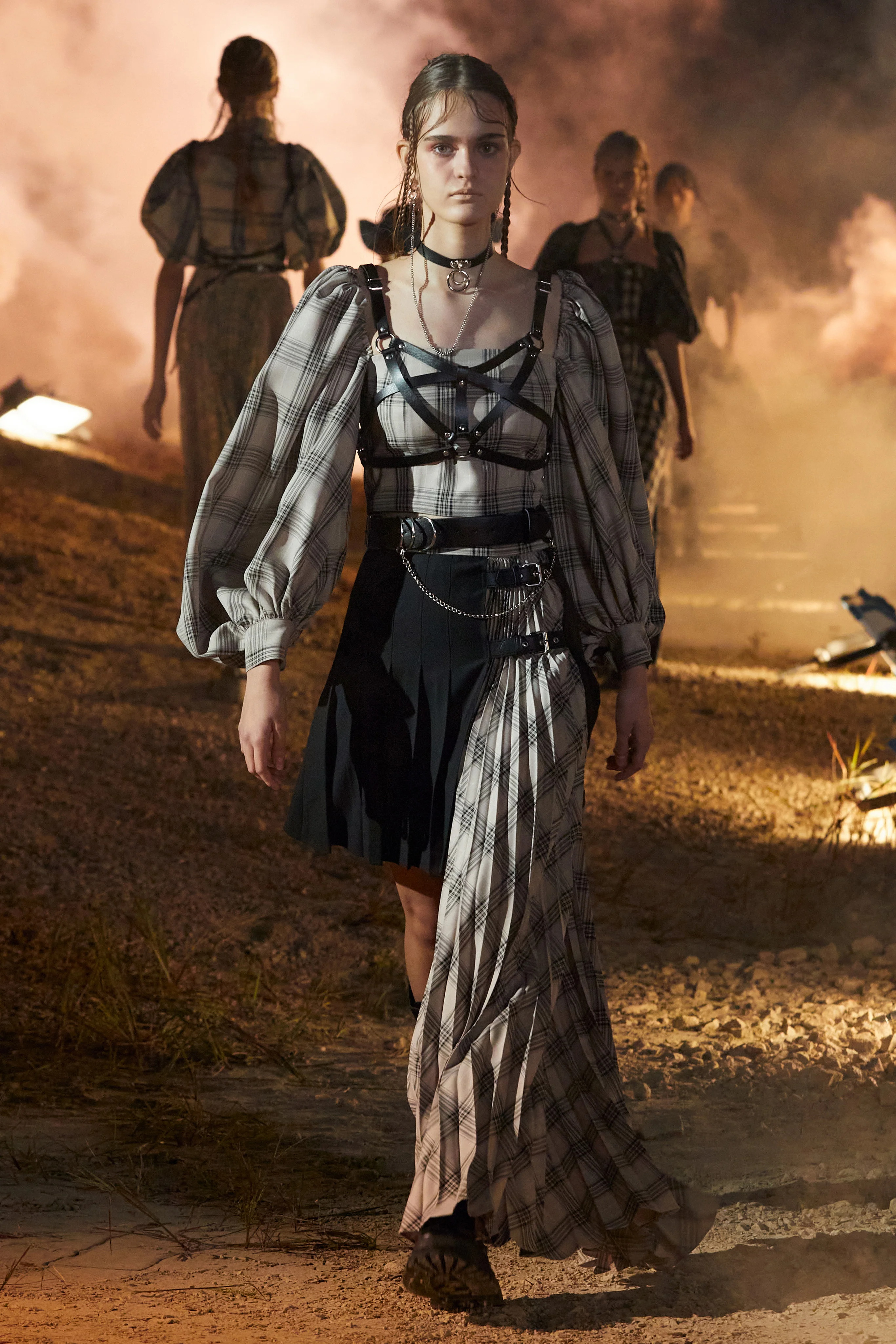
Pre-lockdown, we likely wouldn’t have grouped deconstructed fashion with the DIY movement. But now that we’ve spent the majority of 2020 indoors, cooped up with nothing to do but make things and study the lifestyles of cottagecore-enthusiasts on TikTok, we can’t wait to take a cue from Christopher Esber, Ellery, ROKH, and more, and start hacking apart our wardrobe items to turn them into something entirely different.
RokhMaison MargielaPhoto Courtesy of Maison Margiela.ElleryPhoto: Marie Deteneuille.
Dark Times
Brands like Rick Owens, Marine Serre, and Maison Margiela are known for their somewhat dystopian aesthetics, but, this season, things felt especially dark at their shows. The same went for Balenciaga and ROKH, too. And it should’ve. Things aren’t going too well for the world right now, and while most designers this season spent their time in quarantine designing colorful, escapist collections full of bright prints and high fashion loungewear, we knew we could count on Demna Gvasalia, Rick Owens, and John Galliano, among others, to be straight with us — but to also do so in an exceptionally beautiful way.
Rick OwensPhoto: OWENSCORP.RokhMarine SerrePhoto Courtesy of Marine Serre.
Big Shoulders
Back in the ‘30s, designers like Elsa Schiaparelli began adding shoulder pads and bubble-like sleeves to dresses and outerwear as a way to make women feel confident and powerful — which, in today’s political landscape, is just as important as it was then, post-Great Depression. With that, it makes total sense that Matthew Williams would showcase strong shoulders for his debut at Givenchy, and that Rick Owens would follow suit. Chanel, Louis Vuitton, Isabel Marant, and Balenciaga also presented big, slouchy shoulders in their spring collections.
GivenchyBalenciagaPhoto Courtesy of Balenciaga.Isabel MarantPhoto Courtesy of Isabel Marant.
Micro-Minis
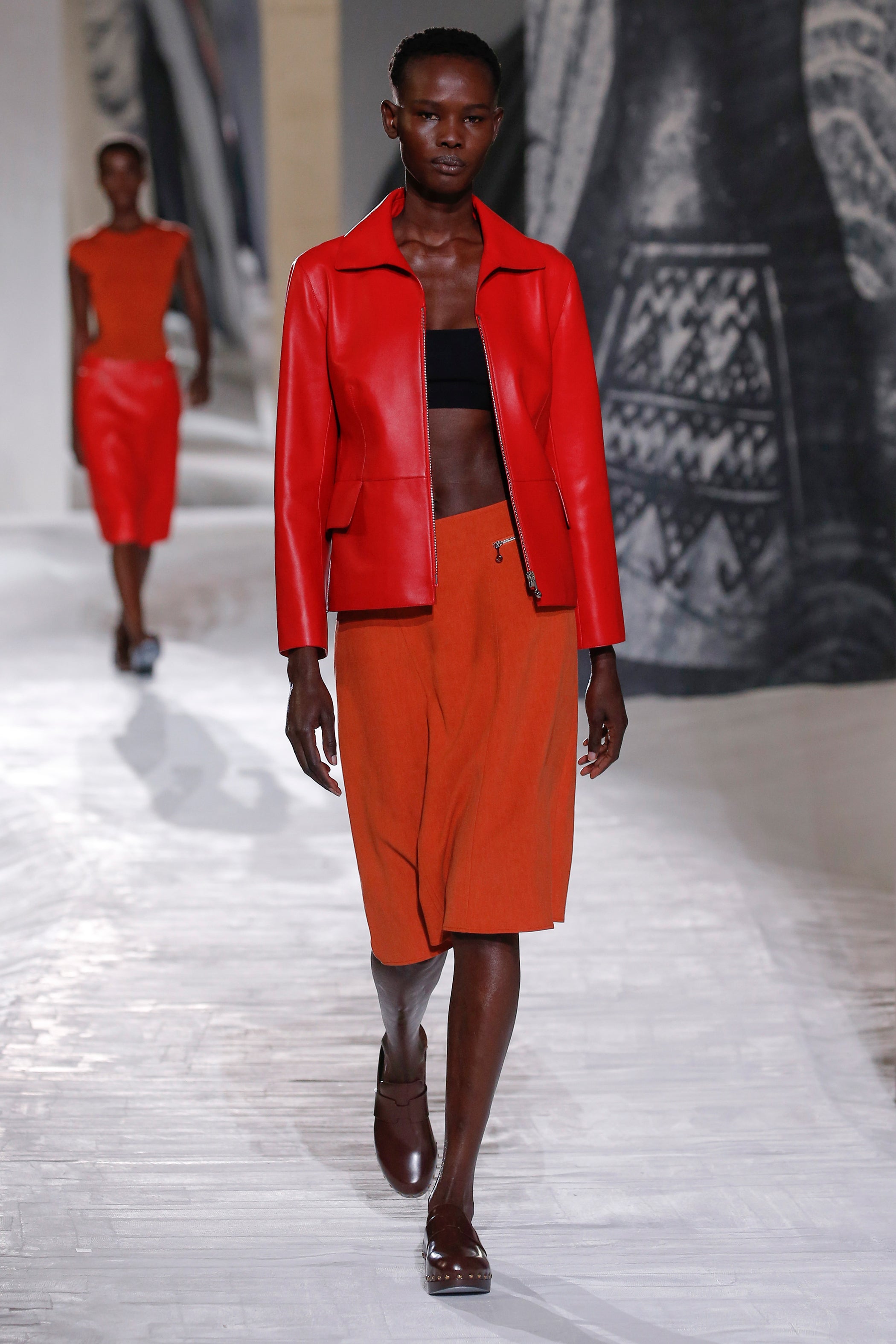
Mrs. Prada continued to fight against bulky, layered-on fashion with the reintroduction of micro-mini skirts and -dresses at her Miu Miu show. And like the equally revealing midriff-baring tops, minis were popular across the board, with ultra-short bottoms also presented at Giambattista Valli, Hermes, Isabel Marant, and Coperni, among others. You heard it here first: 2021 will be known as the year of the gams.
Miu MiuPhoto Courtesy of Miu Miu.Giambattista ValliPhoto Courtesy of Giambattista Valli.CoperniPhoto: Kristy Sparow/Getty Images.
Midriffs
For the last seven months, we’ve spent a majority of our time in lockdown wearing loungewear sets and pajamas, packing on as many layers as possible to protect us from the uncertainty of the outside world. According to Miuccia Prada, that’s not the case anymore. Instead, come spring of next year, the layers are coming off. At Miu Miu, Chanel, Christopher Esber, and Hermes, midriffs were out for all to see, with bra tops and cropped sweaters galore, all of which were paired with low-rise, ‘90s-esque bottoms. We’re here for it.
ChanelPhoto Courtesy of Chanel.Miu MiuPhoto Courtesy of Miu Miu.HermesPhoto: Victor Virgile/Getty Images.
Like what you see? How about some more R29 goodness, right here?
During the first few months of the pandemic, my days began by rising before the sun to get a few hours outside before anyone else was out, and were then spent trying not to completely lose it over the unknown. I didn’t bake, nor did I knit a Harry Styles cardigan. I also didn’t shop.
According to NPR, I wasn’t alone. In April, clothing and accessories stores experienced a 78.8% drop in spending compared to March, which also saw a 50.5% plunge in spending compared to February. (This includes both online and brick-and-mortar stores, many of the latter, of course, closed during lockdown.)
As of right now, the pandemic has no end in sight, and with colder temperatures and flu season looming, a second wave seems imminent. And yet, retail is on the (slow) rise. The New York Times reported in August that retail sales in July were up 1.2% from June, while clothing and accessories spending was up almost 6%. My self-imposed ban, too, has been lifted — my love of the find, resurrected. Just like I’ve done since I was old enough to log online without supervision or go to the mall with my own money, I’m once again spending hours perusing page after page of merchandise in the chance that something special will stand out. But my time away from shopping led to some much-needed changes in my habits.
Following the protests sparked by the death of George Floyd, like many, I looked at ways to support the Black community. As part of that, I focused on shopping from Black-owned fashion brands — and, in the process, I uncovered new designers. For instance, while profiling The Folklore, a Black-owned retailer bringing African brands to the international fashion landscape, I discovered a Nigerian label called Bloke, which sells artisan-made clothing and footwear. Soon, it was all over my Instagram feed, daring me to purchase. Whereas the social media platform used to bait me into making purchases I didn’t want nor need, now it was attracting me to beautiful, handmade pieces that would last me forever — a change in algorithm that I have come to appreciate. Sunni Sunni, Martine Rose, and Kendra Duplantier are just some of the other brands that have since been sitting in my various shopping carts.
Also during lockdown, I spoke with a handful of Gen Z environmentalists on TikTok whose dedication to treating their spending dollars as votes was a wake-up call for my otherwise lackluster conscious shopping habits. Fast-fashion was a go-to for me pre-pandemic, so much so that I’d frequent the Zara near my office twice or even three times per week just to look at the new stock. I even knew which days the store received its latest shipments. I wrote about sustainability at work, but rarely did I follow suit personally. Talking to people years younger than me, yet much wiser when it came to their shopping habits, made it clear that I have to change my habits — if not for me, than for those who’ll be punished later if my generation doesn’t make necessary changes. (Orange skies and unsafe air quality in California were further catalysts for change in my consumption.) As part of becoming a more conscious shopper, I now spend most of my time (and money) on secondhand sites like Vestiaire Collective, The RealReal, and eBay rather than major department stores. And, if I can support a struggling small business, rather than a well-equipped retailer, I will.
Part of all this meant researching brands more thoroughly before considering them for placement in my wardrobe: Who have they worked with before? How did they handle the pandemic? Do they support the Black Lives Matter movement? What are they doing to reduce their contribution to the climate crisis? And how are they keeping up the momentum? These are important questions that we should all be asking ourselves. It can be tricky to give up things we’re so used to doing, but, at least for me, this far into the year, it doesn’t feel unfamiliar anymore — it’s actually exciting. Maybe I’ll have to spend more time and money in the short-term to support brands that will bring about long-term change. So be it. And, just like my return to retail, the changes that came with it feel good. If I do say so myself, so will my wardrobe once I eventually click *purchase.*
At Refinery29, we’re here to help you navigate this overwhelming world of stuff. All of our market picks are independently selected and curated by the editorial team. If you buy something we link to on our site, Refinery29 may earn commission.
Like what you see? How about some more R29 goodness, right here?