Friday, June 11, 2021

Can Influencer Culture & Conscious Consumption Coexist?

With TikTok’s spike in popularity and the rise in Instagram use during quarantine, influencers have never been so front and center in our daily lives. Sometimes they’re talking about brands they like or trends they’re buying into. Other times, they’re showing off a new outfit or some hack for getting a viral item for next-to-nothing on Shein or Amazon. No matter your platform of choice, your voyeuristic habit ties back to consumption. After all, influencers are paid to influence people on a massive scale — and most of the time that means influencing people to buy things.

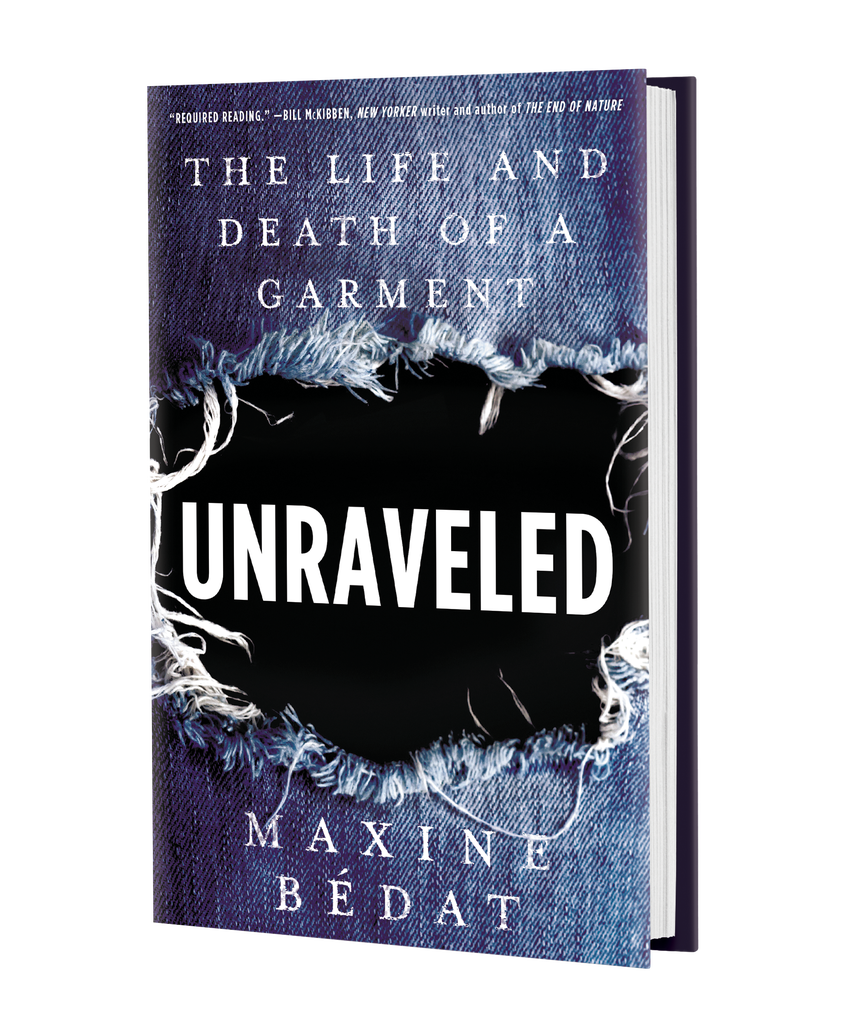
The relationship between influencers and consumption animates Maxine Bédat’s engrossing new book Unraveled: The Life and Death of a Garment, which tackles the many ways that fashion negatively affects the well-being of people, both physically and mentally, as well as the environment. Bédat — a 38-year-old from Brooklyn, New York, who co-founded the ethical fashion retailer Zady, as well as the New Standard Institute, a nonprofit that describes itself as a “do and think tank” for consciousness-raising in the fashion industry — investigates supply chains around the world. She looks at where our clothes go after social media deems them “over,” and the ways in which the industry can rebuild in a more conscious way. 

To get to the bottom of influencer marketing and the way it affects the way people shop (and clear room in their wardrobes for more new items), we spoke with Bédat. The lawyer-turned-author shed light on the psychological effects of social media, and whether influencer culture and conscious consumption can ever get along. 
How has social media and influencer culture negatively impacted the way people consume fashion?

The entire business model of social media is done through advertising. It’s all about getting us to buy more stuff. Fifty years ago, people were exposed to about 500 ads per day. Now, [because of social media,] they’re exposed to about 10,000 ads per day. We’re just constantly being bombarded with messages around consumption, and, in turn, buying things at that same constant rate. I had the opportunity, while I was researching the book, to speak to experts in this domain, and what I learned was that this never-ending state of being advertised to is having, not just environmental consequences, but real, emotional consequences, too.

What is the psychological explanation for why people consume so much?

It taps into our animalistic brains and gives you that quick high. I was speaking to a psychologist, and she explained that, from your brain’s perspective, [the high you get] consuming disposable fashion looks very similar to the high you get from consuming fast food. And it’s that really vicious cycle of getting that quick hit, and then, when it goes away, it makes you feel terrible. The shoppers that I spoke to didn’t feel great about their relationships to clothing. That’s how I got started in all of this, too. I was looking at my own closet, which was overflowing with stuff, and having this feeling like I had nothing to wear. And one day, I was just like, What is that?

As I mentioned in the book, “the father of public relations” Edward Bernays was the nephew of Sigmund Freud. Bernays wrote an essay called The Engineering of Consent, which talks about the idea of getting people to buy things that they feel they need and must have. Engineered consent was then used to build our economy. That’s what switched things in my head: realizing that I didn’t have any power over my relationship with the things I was buying. I no longer wanted to be duped.

How is that concept then utilized by celebrities and influencers?

As a celebrity stylist told me for the book, celebrities are basically billboards. That is why they’re wearing new things all the time, [be it on a red carpet or on social media] — it’s a sales opportunity for them. That then has massive consequences because they are influencers. We are influenced by them, and so, you end up getting these really scary surveys that say one in three young women [in the U.K.] consider clothing old after wearing it once or twice. They’re seeing that influencers never wear [old] things, and so they think that they shouldn’t either. It’s like keeping up with the Joneses, but on steroids.

How can individual consumers avoid falling into that trap?

By removing influencers who genuinely make you feel bad about yourself, so that there are fewer cues. Something that I do is, if I like something, I’ll pin it to a Pinterest board, and then take a look later. Then, I’ll ask myself, Do I still like that? That way, there’s always some thought to it.

Can we live on a planet that has finite resources, and still have these business models that are really just about pushing stuff?

Maxine Bédat, author of Unraveled

Do you think that influencer culture and social media can coexist with people becoming more conscious about the way they shop? 

I think to answer this question, we’d have to look at the business models — the business models of influencers and of social media in general. At the moment, the business models for both are to sell more stuff. Therefore, yes, it is inherently problematic. Can we live [on a planet] that has finite resources, and still have these business models that are really just about pushing stuff?

I think, if I were an influencer, I would wonder about services that I could share, [rather than just products.] We often target corporations, but celebrities and influencers should consider the consequences of their businesses, too. If their entire job is just getting people to buy more things, is that something that you really want as a legacy?

Like what you see? How about some more R29 goodness, right here?

How Fashion Can Show Support For AAPI Communities

Why Are Brands Claiming: “We Are Not Sustainable?”

The Latinx-Owned Brand Rethinking “Slow Fashion”

The UGG x Telfar Collab Is Almost Here — Here’s How To Order It Before It Sells Out

It’s been nine months since Telfar Clemens, the designer behind the viral Shopping Bag, announced the UGG x Telfar collaboration. Now, we finally have the details about its actual arrival — and after perusing the collection, we can say with certainty that it was well worth the wait.

According to a press release from both brands, the first UGG x Telfar drop will arrive on shop.telfar.net on Monday, June 14, where it will be sold exclusively for one week. Starting on June 21, pieces from the all-gender collection of shoes, clothing, and underwear will be made available on UGG.com, as well as at various UGG retailers nationwide. 

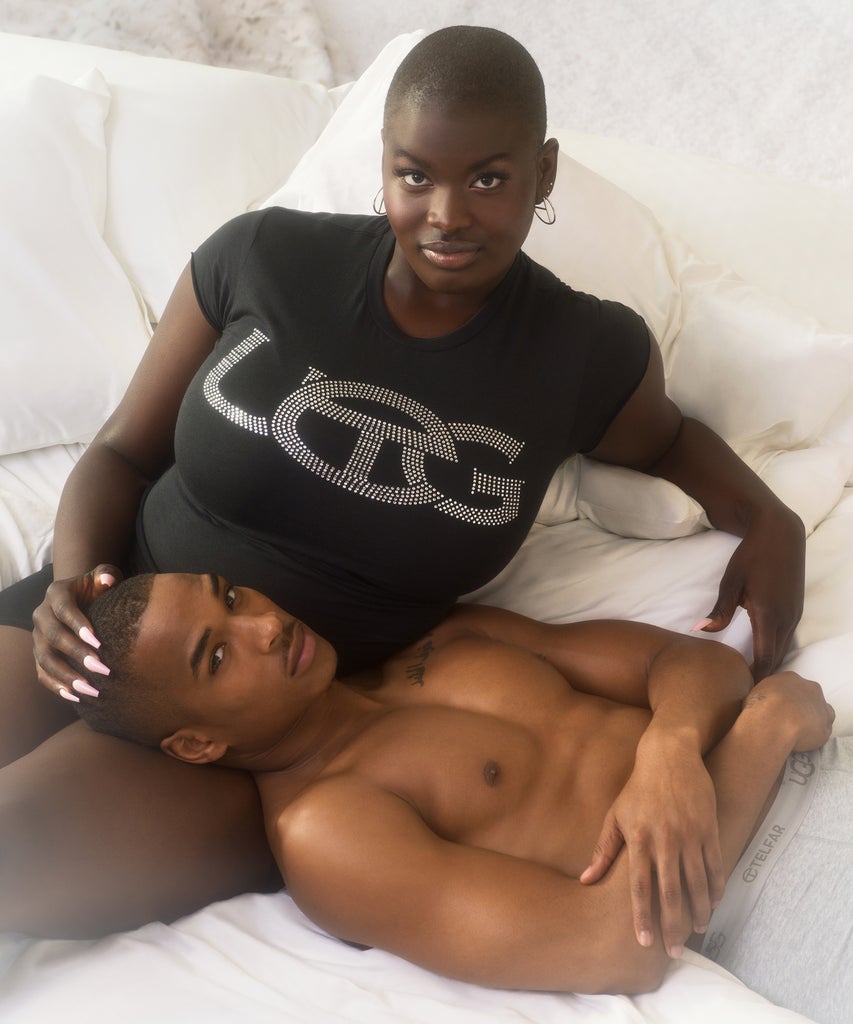
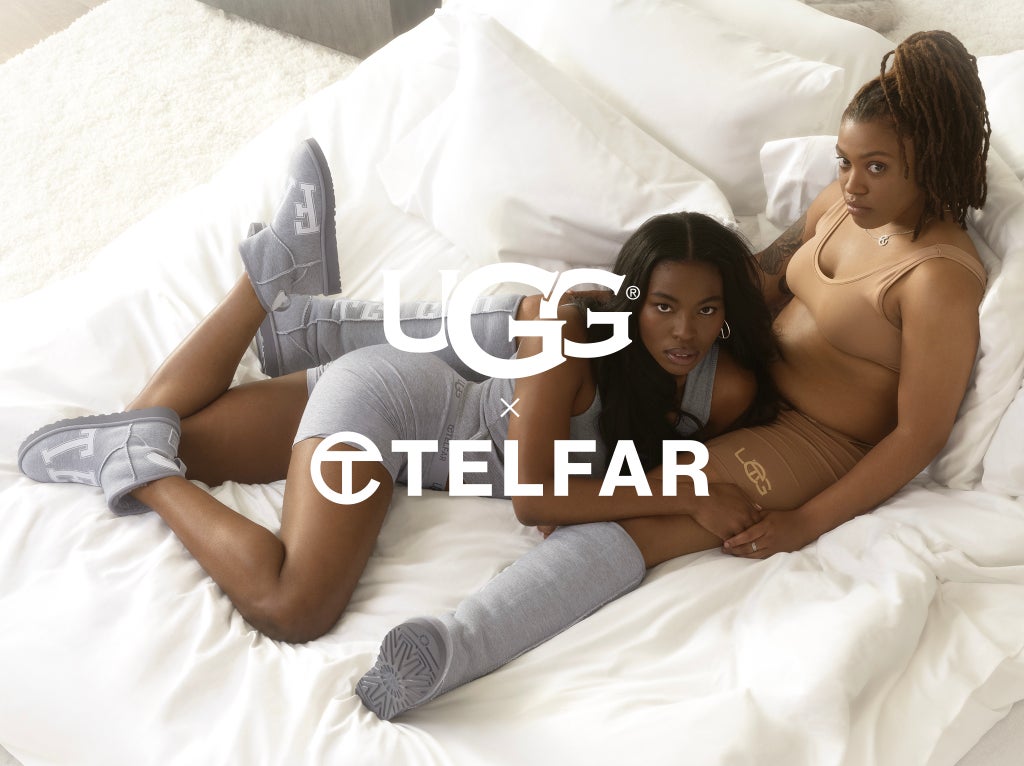
For the first drop of the collab, Telfar designed four items. The two boot styles, one in UGG’s mini height and another in tall, come in heather gray fleece and feature the Brooklyn-based brand’s logo and brand name. The two apparel items, a black T-shirt and three pairs of boxer briefs, will be available in heather gray, chestnut, and black. And for $25 (for underwear), $110 (for the crystal tee), and $250 to $390 (for short and tall boots, respectively), they’re bound to sell out as soon as they drop.

To celebrate the forthcoming launch, Telfar and UGG tapped the cast of The Real Housewives of Potomac, one of the designer’s favorite shows, for a glamorous spread for InStyle. The shoot took place at an $11 million mansion along the Potomac River in Mclean, Virginia, near to where the Queens-born Clemens spent his formative years in Maryland. The cast of the show wore custom Telfar gowns, which were styled with UGG x Telfar T-shirts. Other photos show Clemens heading up what appears to be a Tae Bo class for his RHOP friends, with everyone wearing matching gray workout ensembles from the upcoming drop. 

As for the more wintery ensembles — the shearling sweatsuits featured in the shoot and a shearling bag teased back in September — those will come later. According to the press release, new items will be announced in September.

Like what you see? How about some more R29 goodness, right here?

UGGs: The “Ugly” Shoe Everyone Loves To Hate

Secure The UGG x Telfar Bag Before It Sells Out

Telfar Won NYFW By Announcing A Collab With UGG

Jill Biden And Kate Middleton Matched In Pink For Their First Meeting

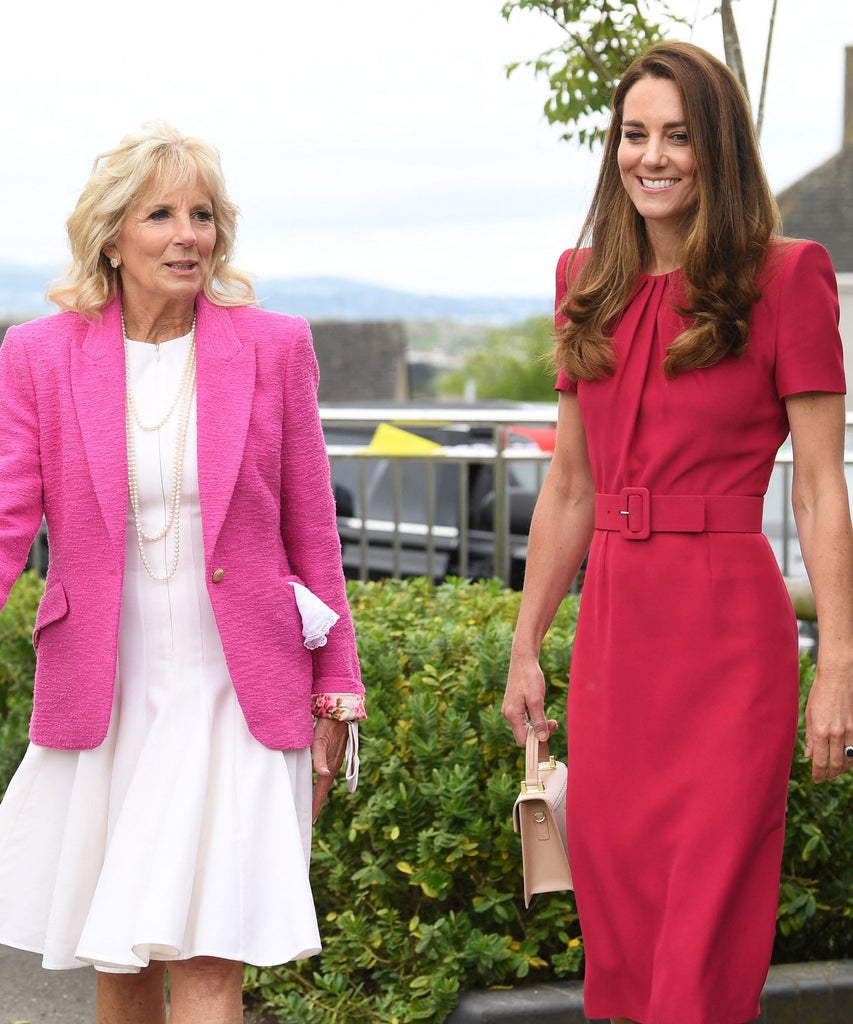
Britain’s Catherine, Duchess of Cambridge and US First Lady Jill Biden visit Connor Downs Academy in Hayle, Cornwall on the sidelines of the G7 summit on June 11, 2021. (Photo by DANIEL LEAL-OLIVAS / various sources / AFP) (Photo by DANIEL LEAL-OLIVAS/AFP via Getty Images)

On Wednesdays Fridays, we wear pink. Or at least that’s the fashion memo coming from this morning’s meeting between First Lady Jill Biden and Duchess of Cambridge Kate Middleton. Donning pink hues, a top spring color, the two stepped out on Friday for an official visit to the Connor Downs Academy preschool in Cornwall, England. 

The two met during President Biden’s visit to the U.K. to attend the G7 Summit. But they took this time to discuss their shared interest in education, participating in a roundtable discussion about early education and spending time with students (and their class pet bunnies). 

The Duchess of Cambridge donned a fuschia Alexander McQueen fitted dress with pleated neckline and matching waist belt. She paired the outfit with an L.K. Bennett nude “Milly” bag. The tailored dress resembles an Alexander McQueen number she’s worn in the past, to Princess Eugenie’s wedding in 2018 and the Queen’s Trooping the Colour Parade in 2017. 

Meanwhile, First Lady Jill Biden wore a bright pink blazer and white dress with nude Valentino pumps. Biden has, too, worn similar versions of this look in the past, including a black dress and double-breasted blazer she paired with fishnets (to the disdain of conservatives on Twitter) in April.  

This is Biden’s first international trip as FLOTUS, shaping her image on the global stage. On Thursday, Biden also made headlines by wearing a “Love” black blazer by Zadig & Voltaire, which many were quick to compare to Melania Trump’s “I Really Don’t Care, Do You?” parka from 2018, to meet British Prime Minister Boris Johnson and his wife Carrie Johnson.

Like what you see? How about some more R29 goodness, right here?

Jill Biden’s Latest Look Sends A Message Of Love

Apparently, Conservatives Don't Like Tights

Kate Middleton Gave Is A Fan Of Tenniscore

Your Guide To Shopping Caribbean-Owned Fashion Brands

When you hear “Caribbean style” you might think of sandals, beach hats, and maxi dresses. But luxury fashion has a long history of drawing inspiration and borrowing techniques from the region and its diaspora. 

Take, for example, small independent brands channeling the flags and slang of their home countries or established fashion designers that make sartorial springboards of their childhood memories, like legendary designers Oscar de la Renta and Isabel Toledo, who often cite their Caribbean home countries as reference. 

This Caribbean American Heritage Month, we rounded up some of our favorite Caribbean-owned brands and designers to celebrate their impact in the fashion space. From CFDA/Vogue Fashion Fund winners to footwear brands reimagining espadrille sandals and metalwork, here are 20 labels you’ll want to know about. 

At Refinery29, we’re here to help you navigate this overwhelming world of stuff. All of our market picks are independently selected and curated by the editorial team. If you buy something we link to on our site, Refinery29 may earn commission.

Merch Carnival

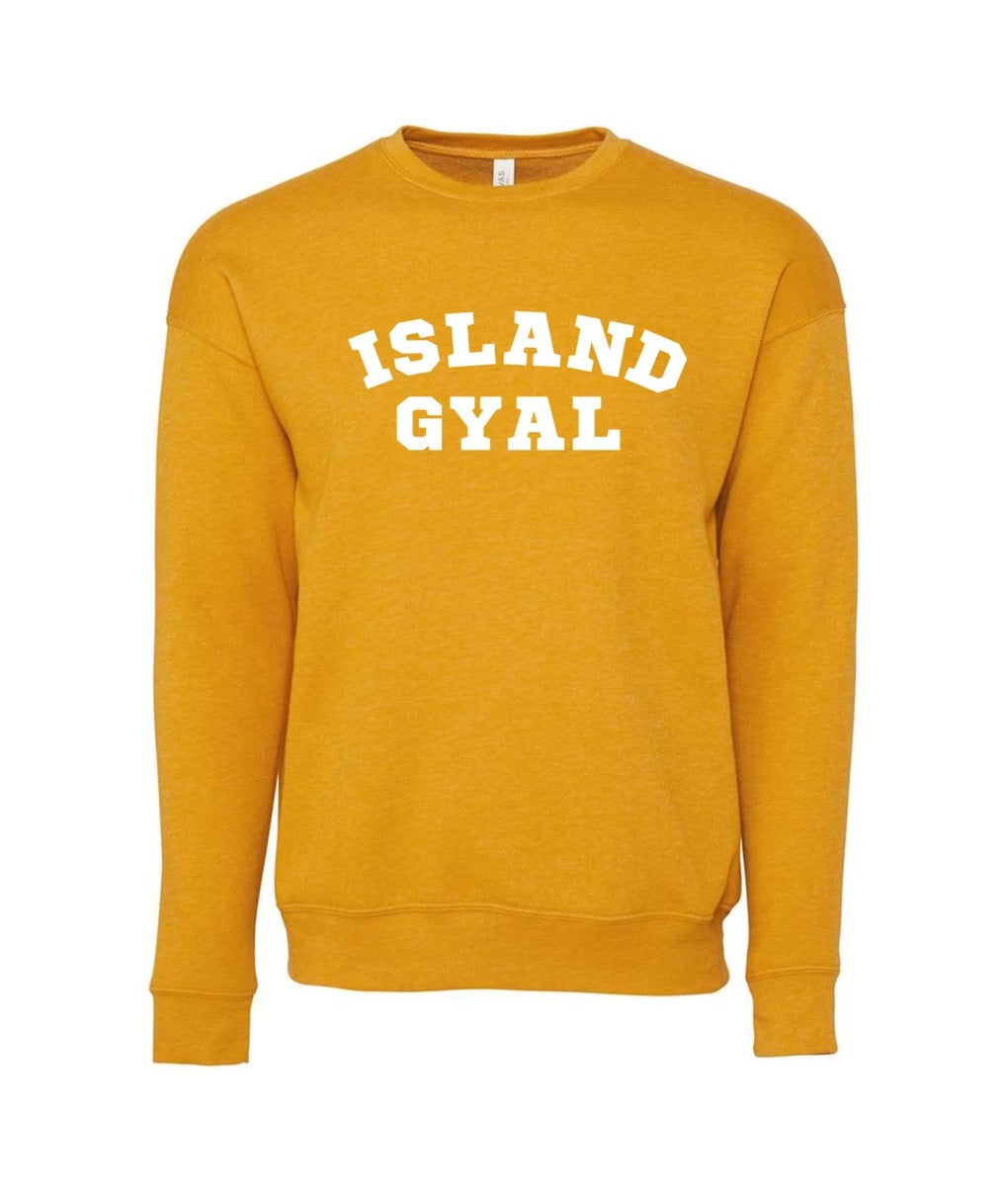
Merch Carnival is an apparel and accessories brand and online retailer dedicated to celebrating Caribbean heritage through fashion that’s sourced from a wide range of designers. Born in St. Croix, founder Ashleé Douglas launched the e-retailer in 2012 with a mission to support West Indian designers and artisans. This is your source for “Island Gyal” merch and “Bush Tea” mugs.

Shop Merch Carnival

Bien Abyé

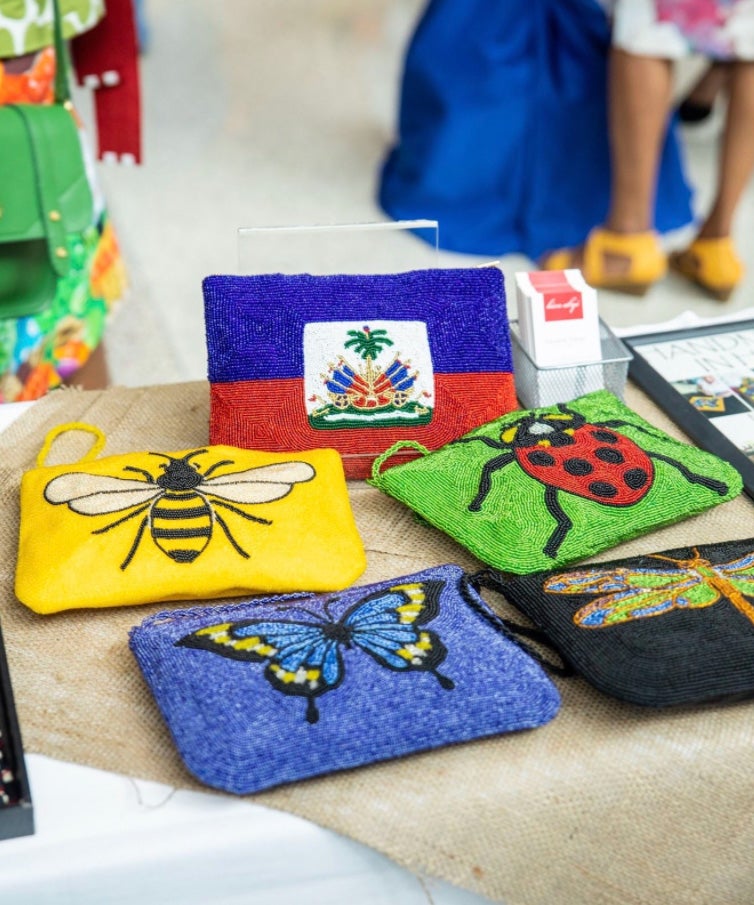
Bien Abyé, which means “well dressed” in Creole, is a ready-to-wear and accessories brand inspired by Creole culture in Haiti. Massachusetts-born designer Dayanne Danier focuses on recreating traditional styles like beaded bags and colorful scarves that live up to the brand’s name. 

Shop Bien Abyé

Bori Socks

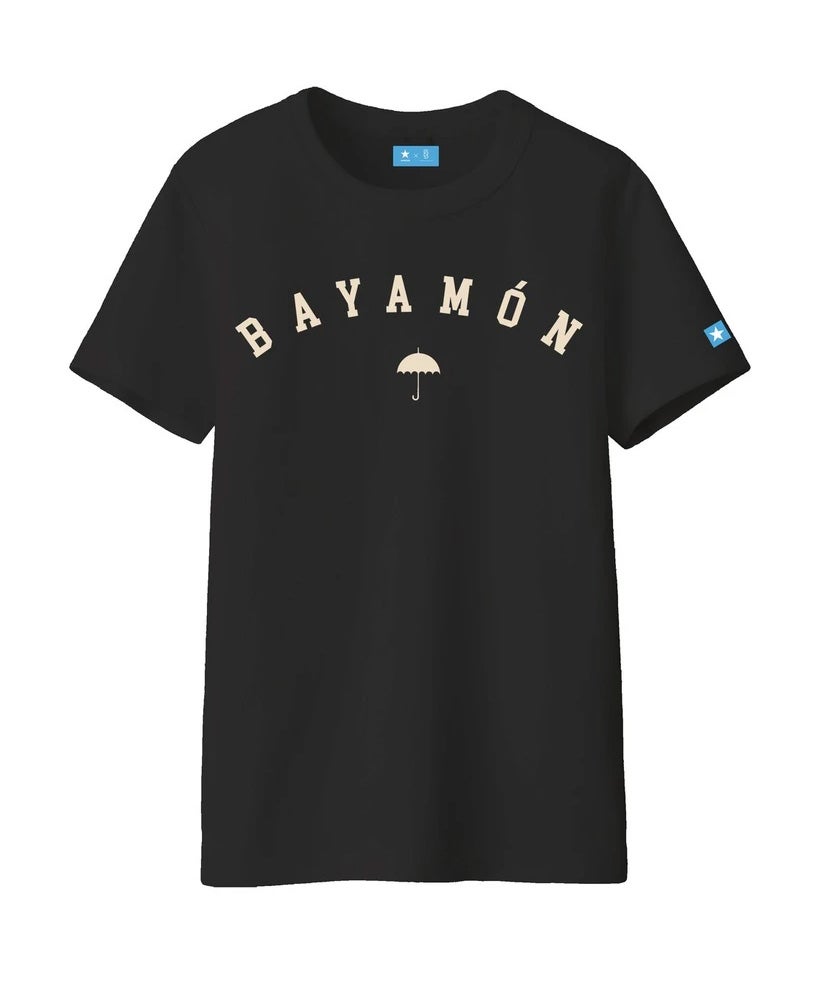
This Puerto Rican brand’s sole mission is to elevate the island’s culture through clothing, releasing limited-edition items each season. From T-shirts and hats to socks and swim trunks, the brand finds a way to connect people to Puerto Rican culture with its use of symbols and slang terms that are uniquely Boricua. 

Shop Bori Socks

Brandon Blackwood

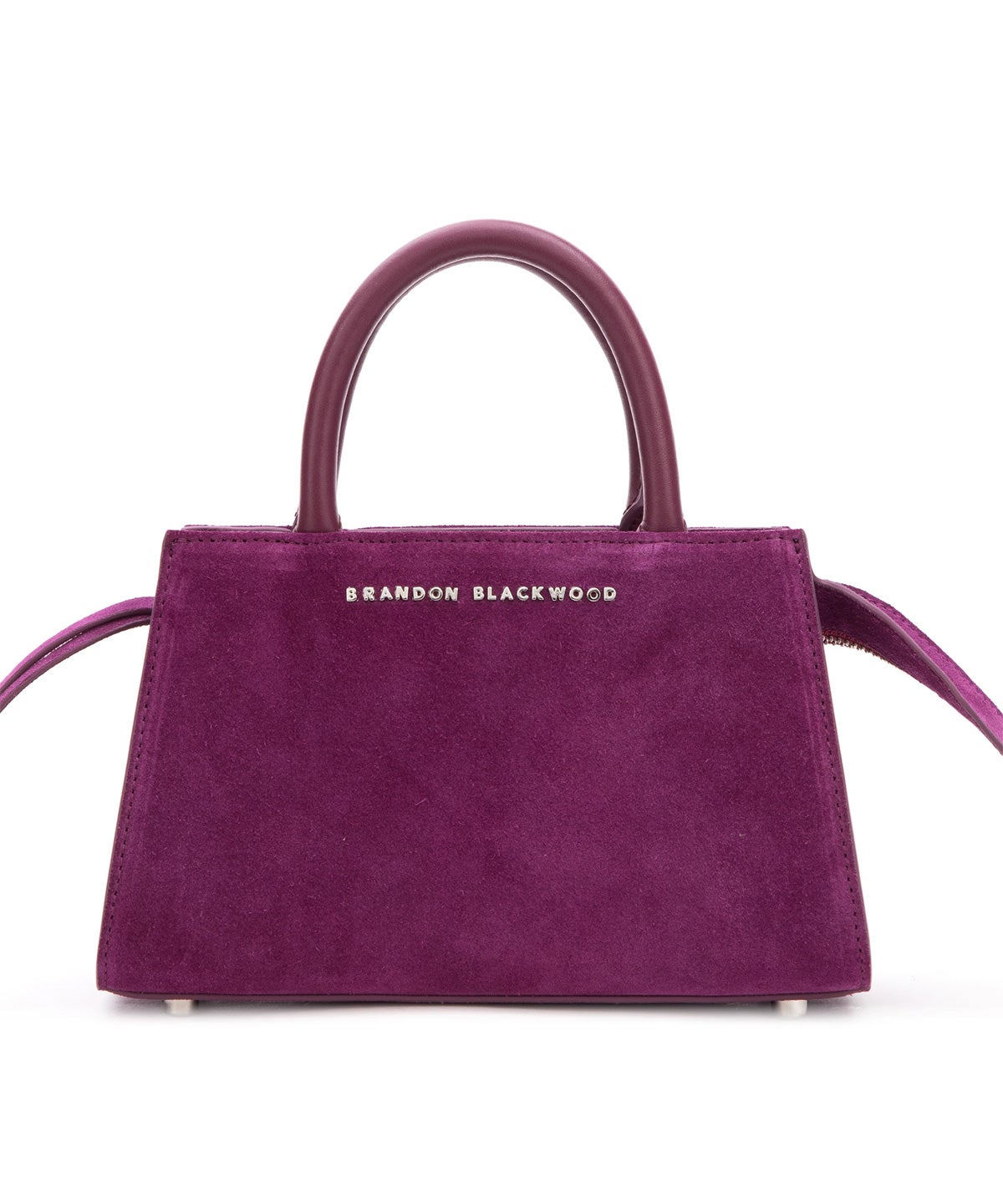
Born and raised in Brooklyn, the Jamaican-Chinese handbag designer creates trend-forward pieces that somehow feel like classics. Launched in 2015, the brand’s handbag styles are named after some of Blackwood’s closest friends and collaborators.

Shop Brandon Blackwood

Fe Noel

The Brooklyn-based brand is inspired by the founder Felisha Noel’s Grenadian heritage. The uplifting assortment of casual yet elegant clothing, accessories, and swimwear are a celebration of culture and glamour. 

Shop Fe Noel

Isleñas

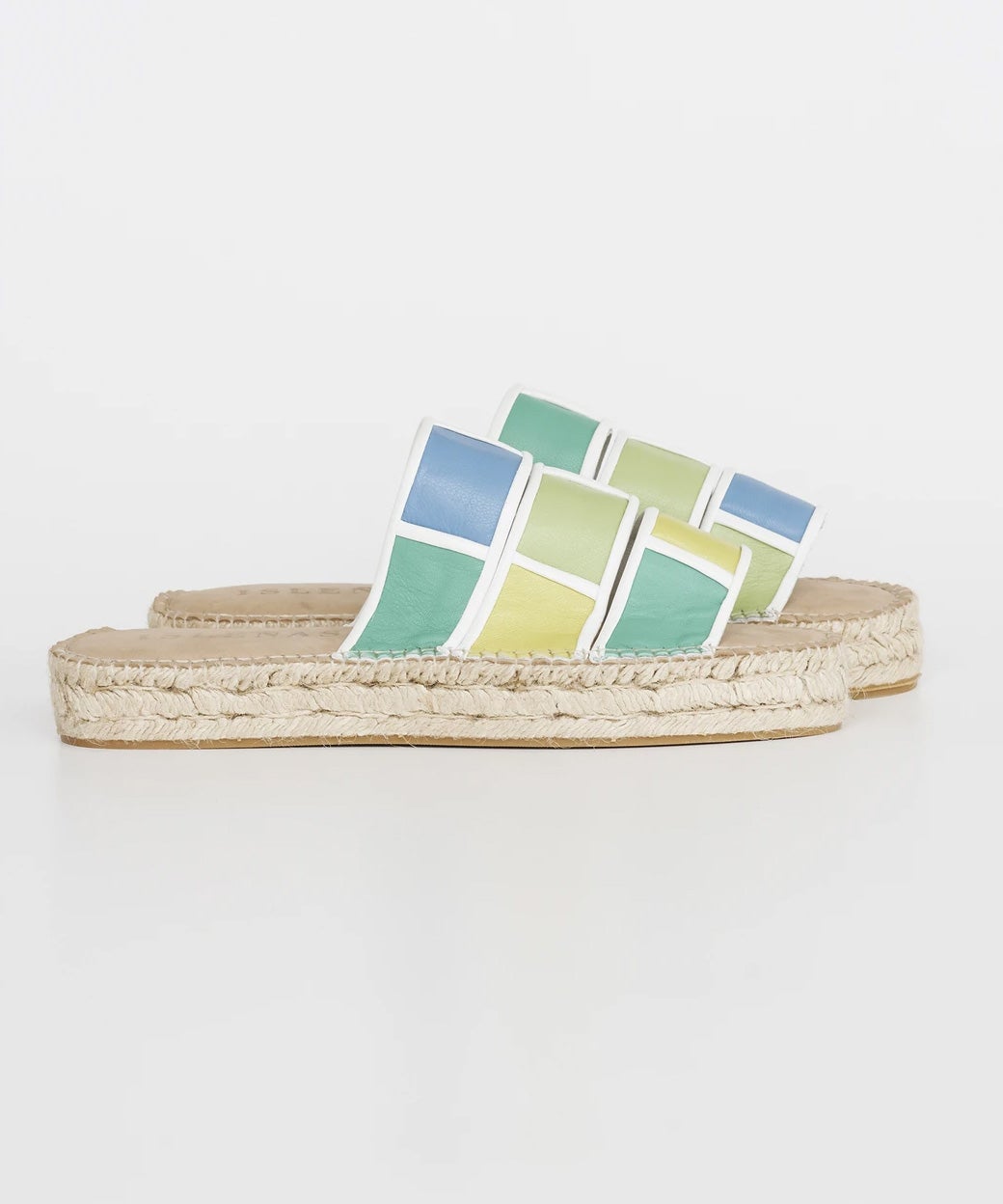
Launched in 2018, Isleñas is a sustainable footwear brand known for its color-blocked espadrille sandal styles. The line also runs a training and manufacturing program helping women through the non-profit Centro Sor Isolina Ferré in Puerto Rico. 

Shop Isleñas

Jam+Rico

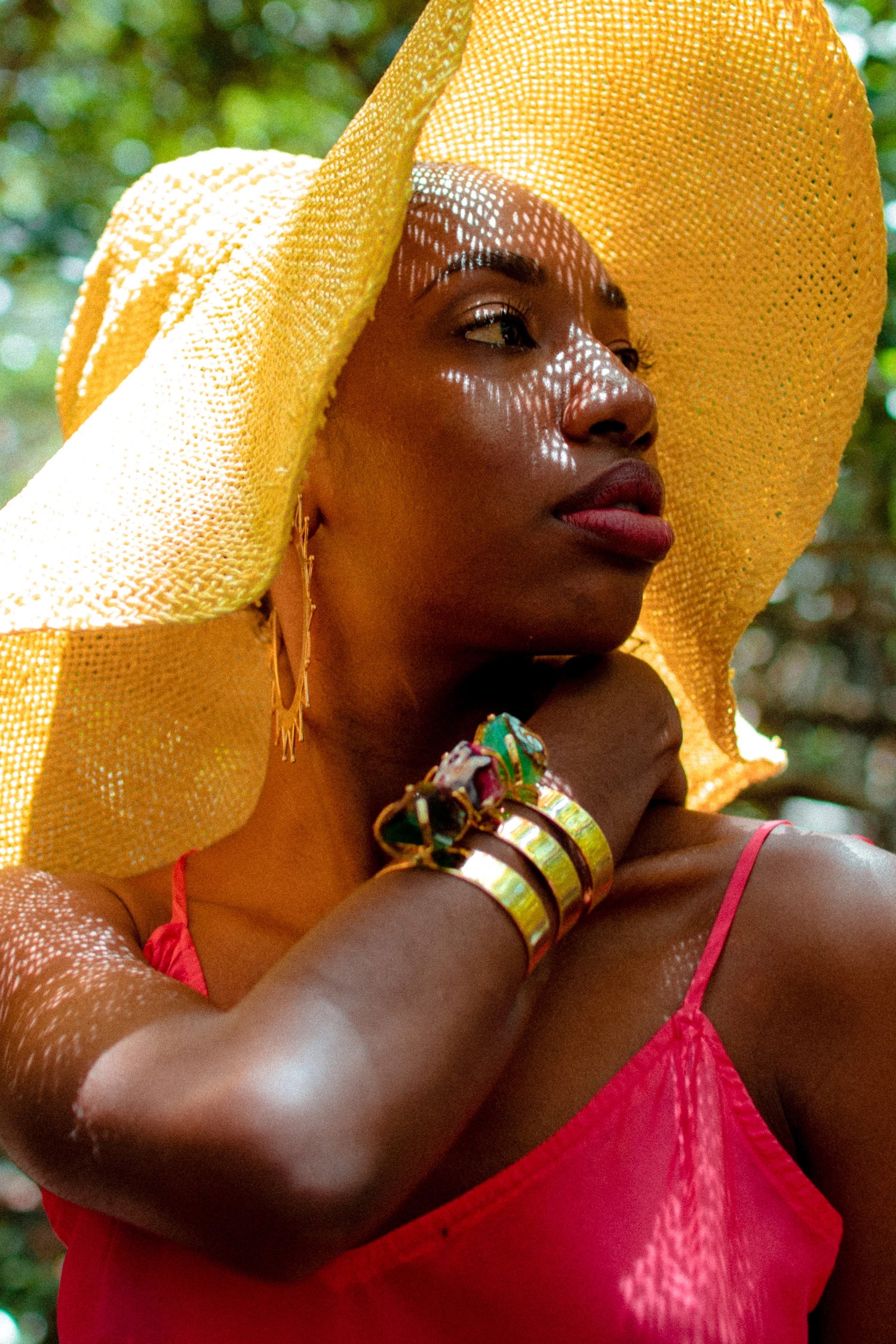
As its name suggests, Jam + Rico is an accessories brand influenced by its founder’s Jamaican and Puerto Rican roots. Finding inspiration in the lush nature of both islands, Brooklyn-raised designer Lissette Scott focuses on translating the colors, shapes, and symbols found in the Caribbean into bright and bold metallic accessories like shell-structured bracelets and sun-shaped earrings. 

Shop Jam+Rico

Krystal Paniagua

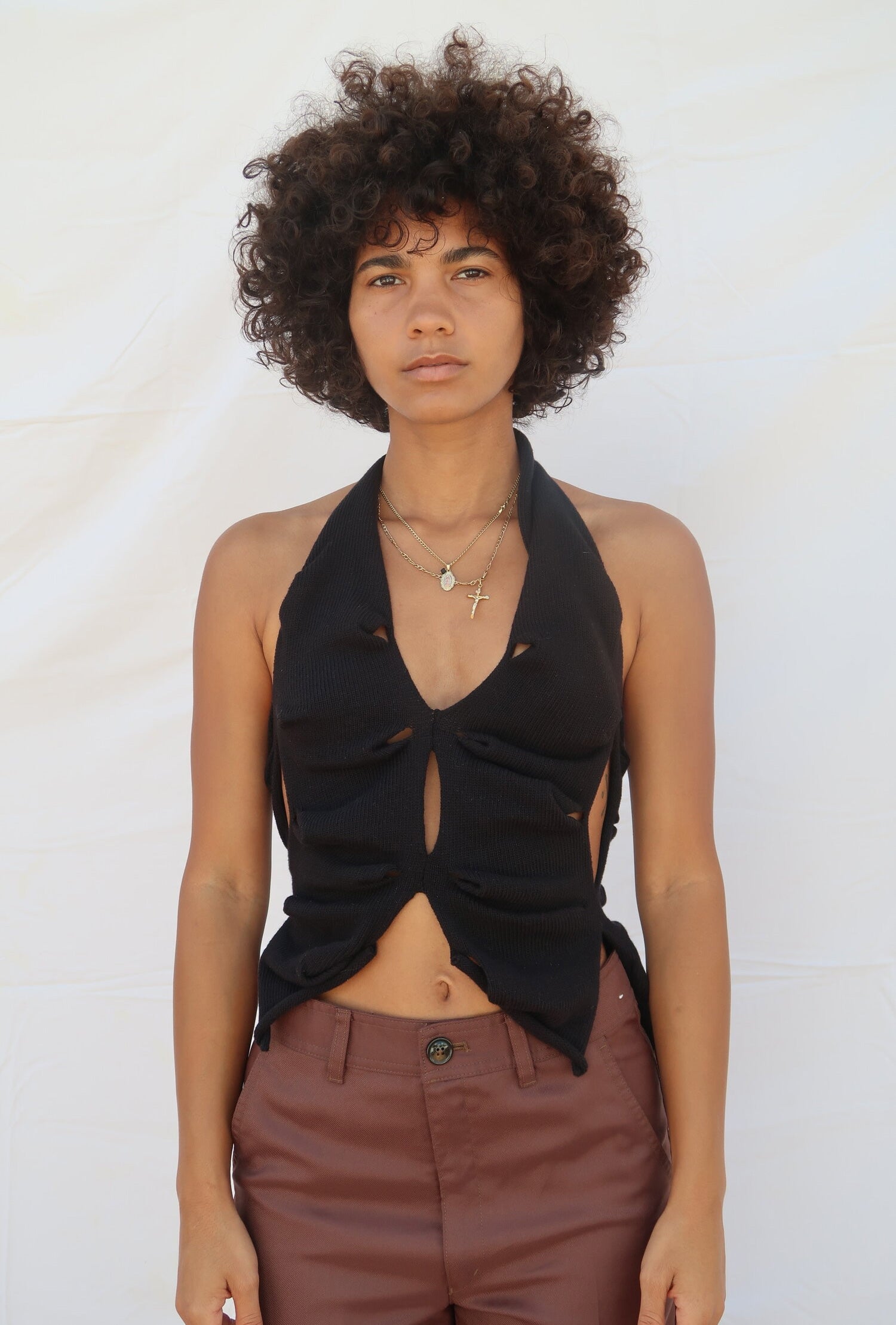
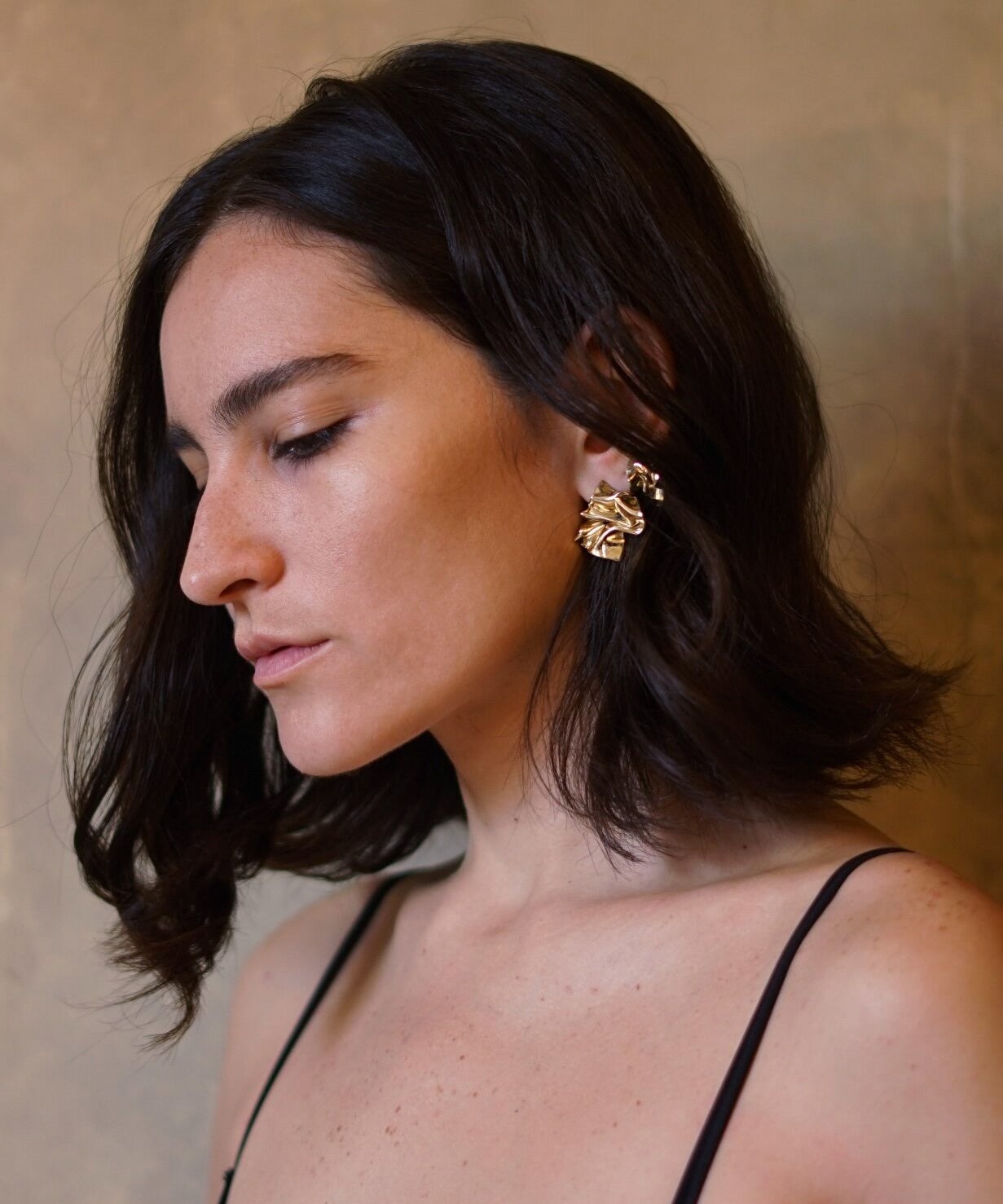
Knitwear designer Krystal Paniagua is a favorite of Kylie Jenner. The Puerto Rican designer makes sculptural knitwear, including ruched asymmetric tops and uneven skirts, all made by hand in her London studio. 

Shop Krystal Paniagua

Lights Label

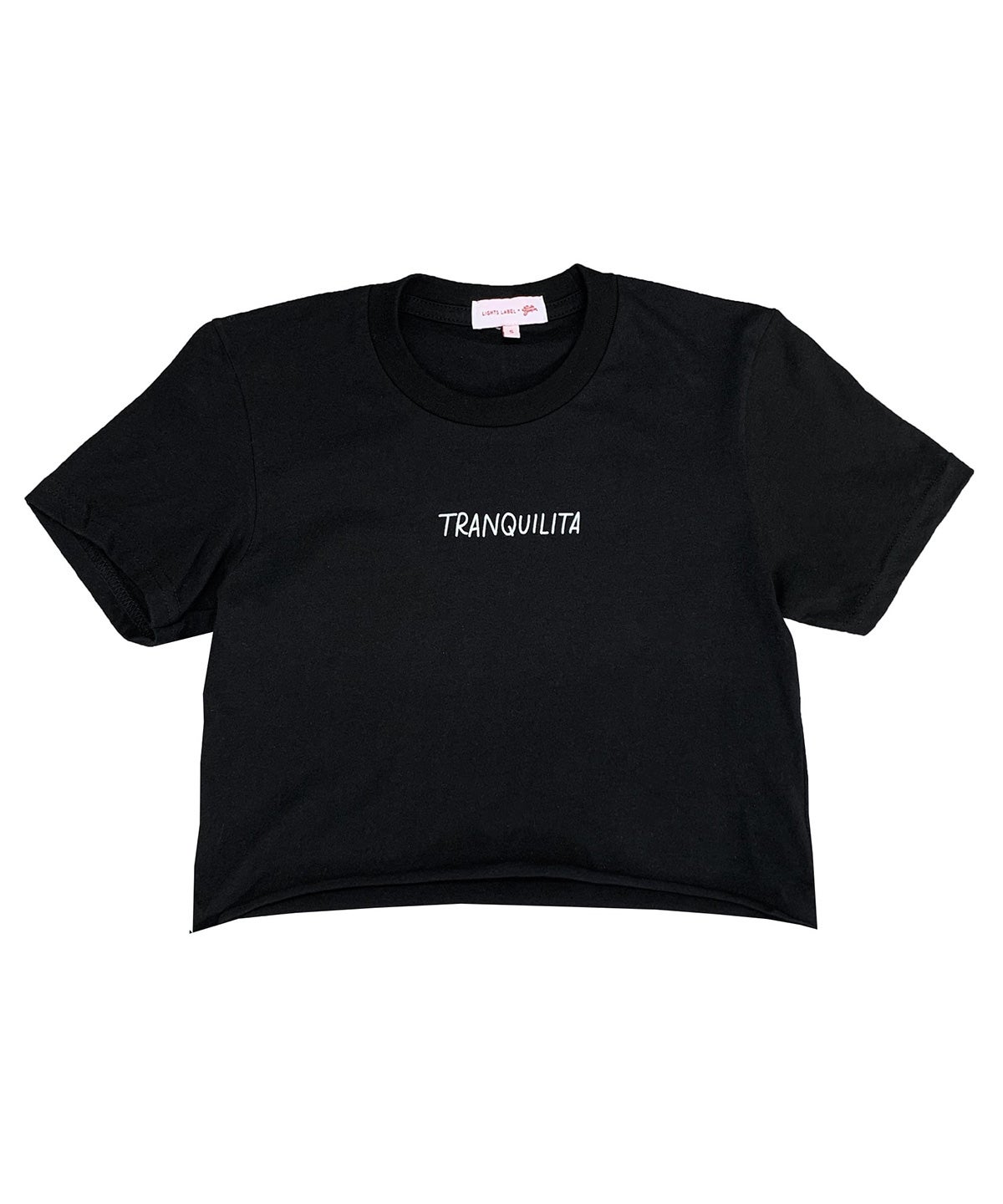
Influencer and beauty blogger Kathleen Lights launched her apparel brand Lights Label last year. The collection of apparel, accessories, and bags, which draw from her love of astrology and many of which feature modern blobby designs (think of trendy novel covers), is influenced by Lights’s Cuban heritage and Miami lifestyle. 

Shop Lights Label

Los Tejedores

Los Tejedores is a brand created by Natalia Ortega Gómez and Ricardo Ariel Toribio. Mostly composed of hats (there’s also an eyebrow-raising “disciplina” fly swatter), the line fuses weaving traditions with a modern aesthetic. The two Dominican designers work closely with artisans in the Dominican Republic and Haiti. 

Shop Los Tejedores

Luiny

Jewelry line Luiny, a standard bearer of bold minimalism, was created by self-taught Puerto Rican designer Luiny Rivera. The brand is now based in New York City, where Rivera designs accessories in intricate shapes and textures inspired by her travels and her time at home. 

Shop Luiny

Luz Ortiz

Dominican-born designer Luz Ortiz creates accessories mixing her Caribbean upbringing and the modern, industrial, and organic shapes that surround her in New York City, where she lives. Each piece is handcrafted in Ortiz’s studio using precious metals and natural stones. 

Shop Luz Ortiz

Mateo New York

Jamaican-born Matthew Harris moved to the United States as a 16-year-old, eventually becoming a self-taught jewelry designer. His label Mateo New York now carries both jewelry and handbags, and became a 2016 CFDA/Vogue Fashion Fund finalist. 

Shop Mateo New York

Nina Rios

Puerto Rican jewelry designer Nina Rios is trained in metal smithing, creating accessories with a vintage finish. Launched in 2016, her New York City-based brand is focused on communicating the designer’s experiences living in New York’s urban landscape and the lush Caribbean island she grew up in. 

Shop Nina Rios

Olette

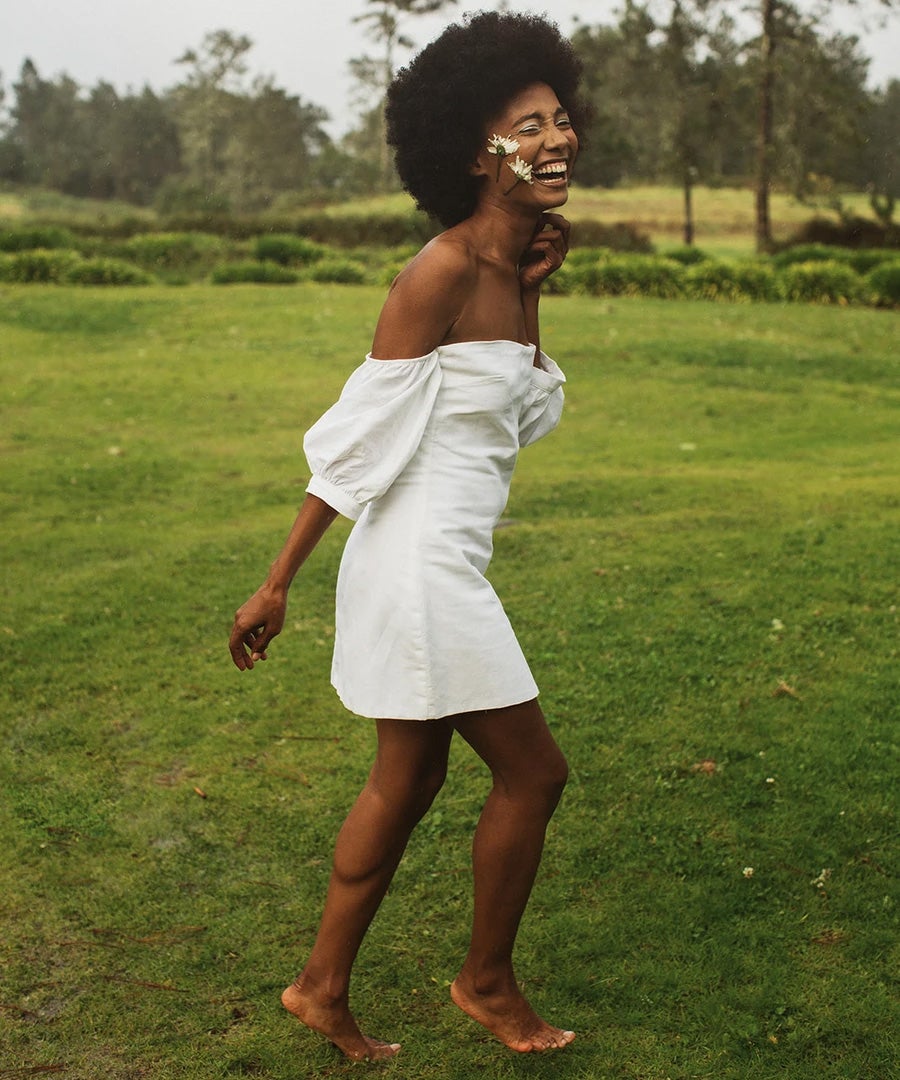
Launched in 2020, Olette is a line of chic basics in solid colors and organic fabrics. Dominican designer Carolyn Compres-Diaz worked on the brand for years before launching during the pandemic with a core collection of items such as high-waisted pants and shorts, as well as off-the-shoulder tops in white, cream, and green hues. 

Shop Olette

Pantora Bridal

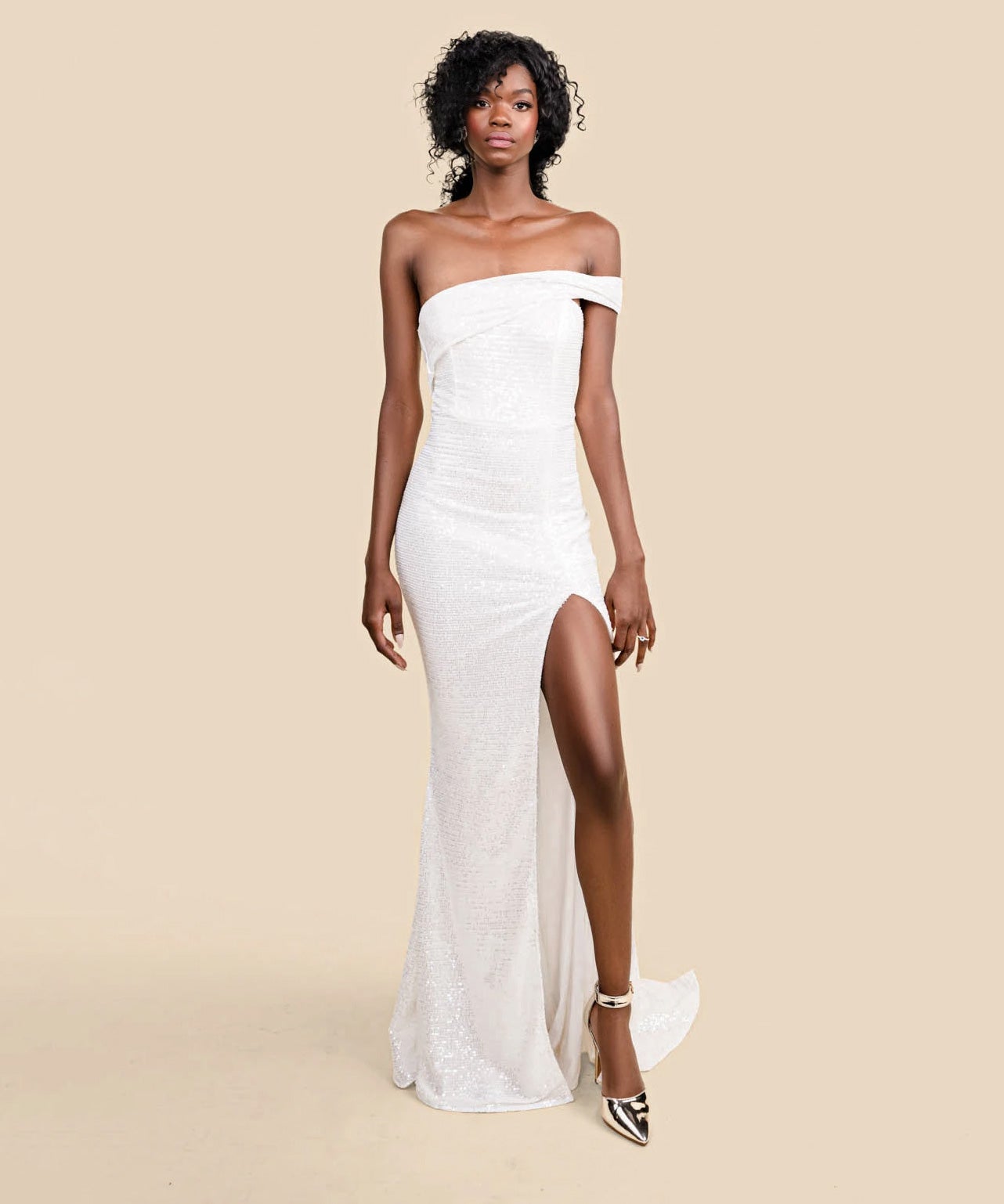
Pantora Bridal is a Brooklyn-based special occasion brand designed by Andrea Pitters, who is of Jamaican descent. The brand specializes in wedding gowns and bridesmaid dresses, as well as ready-to-wear garments and marriage merch including nuptial face masks. 

Shop Pantora Bridal

Pyer Moss

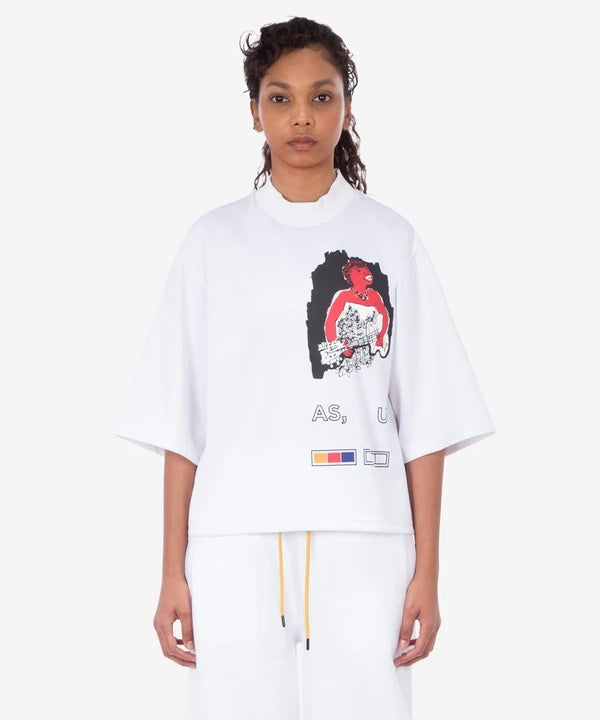
Since 2013, Kerby Jean-Raymond’s Pyer Moss has become a mainstay in the fashion world, launching collaborations with Reebok and Brother Vellies. The Haitian-American designer is a master at injecting social commentary into his collections and making headlines with his fearless and impactful truth-telling within the fashion industry. 

Shop Pyer Moss

Theophilio

Edvin Thompson’s Theophilo carries his Jamaican DNA throughout the line. Named after the designer’s middle name, the brand is full of vibrant mesh and leather pieces. The Brooklyn-based designer is also a 2021 CFDA/Fashion Fund winner.

Shop Theophilio

Santos by Mónica

Made from cactus fibers, the Santos by Mónica bags are a collection of sustainable vegan leather handbags known for their unexpected shapes and vibrant colors. Designer Mónica Santos hand crafts each order from her studios in New York City and Puerto Rico. 

Shop Santos by Mónica

Xio by Ylette

Named after the designer’s grandmother, Xio by Ylette is an online jewelry brand by Cuban influencer Ylette Luis. The brand’s collection is full of zodiac-themed necklaces and ‘90s-inspired accessories. 

Shop Xio by Ylette

Like what you see? How about some more R29 goodness, right here?

A Boricua's Most Loved Puerto Rican Brands

Pyer Moss To Present During Haute Couture Week

KathleenLights Is Back With A New Nail Polish Line