Wednesday, May 25, 2022

Brides Are Buying Secondhand Wedding Dresses. Here’s Where To Find Them

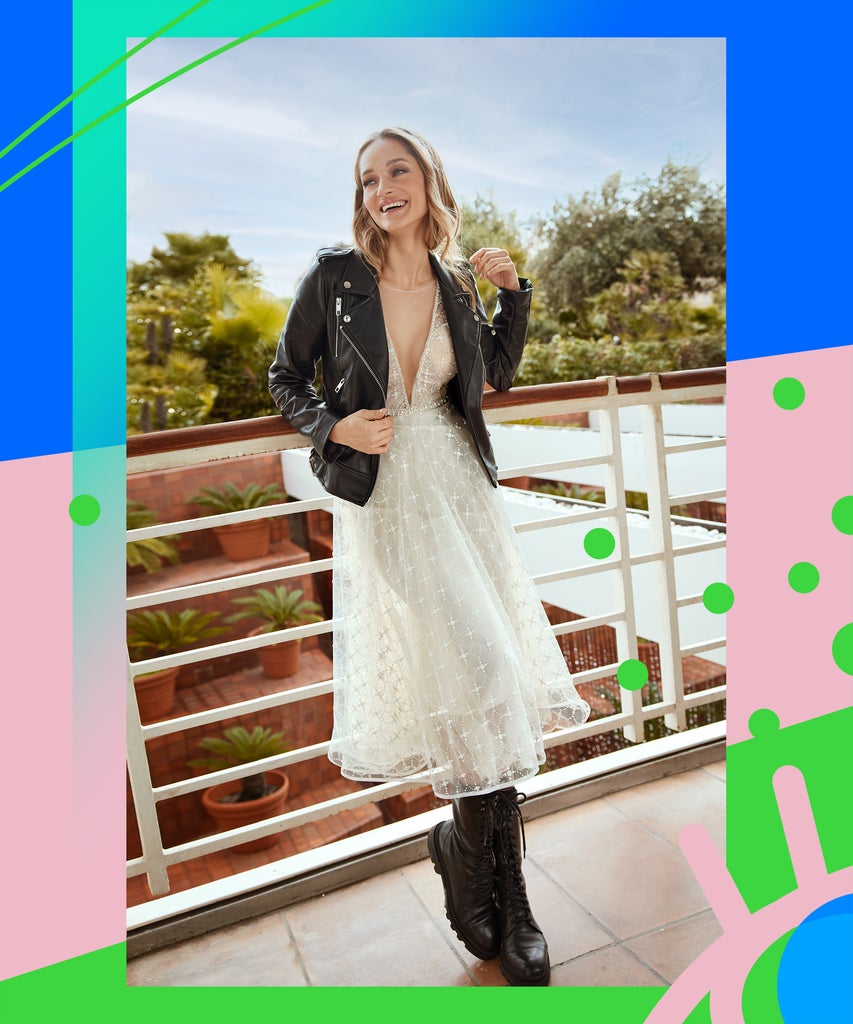
Roughly two million people get married in the U.S. every year, an occasion for which, prior to the pandemic, a good chunk of brides bought a new wedding dress. At the time, that purchase cost, on average, $1,600, according to The Knot.

But all that changed during COVID when most of 2020’s big weddings got canceled. As more couples opted for minimonies, the big, poofy gowns of yore were replaced with garments people had at home or more understated dresses or jumpsuits that felt appropriate for micro-weddings, which remain a popular option today. Another alternative that brides-to-be have turned to in the wake of the pandemic? Secondhand wedding dresses, which are not only cheaper but a more responsible alternative to gowns that often end up being worn only once.

According to global fashion shopping platform Lyst’s 2021 Wedding Report, searches for pre-owned wedding gowns are up 103% since March. In the same time frame, page views for vintage designer wedding pieces jumped 53%. 

Natacha Blanchard, Consumer Lead at Vinted, a secondhand marketplace, noted a similar spike, with the number of used wedding gowns listed on the platform growing rapidly. “Vinted has seen more than 150,000 wedding dresses being listed for sale in the last year,” she tells Refinery29. Blanchard credits three things for why brides are choosing secondhand: price, choice, and sustainability. 

Like with all other vintage wears, unless you’re trying to buy a rare piece from a popular designer, purchasing a secondhand wedding dress is going to come at a lower price than buying a new one. (In the last decade, according to ThredUp’s 2021 Resale Report, consumers saved $390 billion by buying secondhand as opposed to new.) Before you assume you can’t find the designer dress of your dreams secondhand, think again. On Vinted alone, there are over 20 used bridal gowns from Vera Wang. Yes, as in the designer behind both Ariana Grande‘s and Gwen Stefani’s wedding dresses.

The wide variety of options — from $20 no-name vintage frocks to $1,000 Vera Wang gowns (which, new, start at around $7,000 for the designer’s Luxe Collection) — is another reason that going the secondhand route is becoming more and more popular among brides. The choices are many, with luxury resale site Vestiaire Collective currently selling more than 4,000 wedding gowns from brands like Paco Rabanne, Pronovias, and Dior. Then there are specialty sites for buying and selling pre-owned and sample wedding dresses, like Nearly Newlywed. To compare options, big wedding stores, like David’s Bridal, often stock around 120 styles per store. All that said, unlike the selection at a place like David’s Bridal, where many of those 120-plus styles are available in sizes 0 to 30, every secondhand dress will only be available in a single size — and it might not be yours.

There’s also the fact that with the vast assortment of secondhand wedding dresses online comes the need to sort through a good deal of options. According to Blanchard, to simplify and speed up the process, it’s best to come into the search with a bridal dress style in mind. You can then personalize your search by size, price, style, or brand. She suggests reaching out to the seller once you find the dress for you and requesting detailed photos of the seams and threading to ensure that nothing is out of place or damaged. That, and she says to start the search early — that way, there is plenty of time to tailor the look to your body. The latter is important, as many of the brides who first owned these secondhand dresses had them customized to fit their own bodies. Because of that, Blanchard suggests you also ask the previous owner for precise measurements of the waist, hem, bust, etc. in addition to the tag size.

But the biggest reason why secondhand bridal looks have become so popular this year has to do with sustainability. According to James Reinhart, ThredUp’s Co-founder and CEO, the pandemic brought about “a radical transformation in retail.” During the last year-plus at home, having been surrounded by their purchases all day every day, consumers were confronted with their consumption habits. In turn, many began to consider new, more conscious ways of shopping, which include buying secondhand. According to ThredUp’s 2021 Resale Report, 33 million consumers bought used apparel for the first time last year, with 76% of those first-timers planning to increase their secondhand spending over the next five years. 

Brides-to-be, consider this your “something borrowed.”

At Refinery29, we’re here to help you navigate this overwhelming world of stuff. All of our market picks are independently selected and curated by the editorial team. If you buy something we link to on our site, Refinery29 may earn commission.

Like what you see? How about some more R29 goodness, right here?

Secondhand Is Booming. Not Everyone Is Buying It

Why Luxury Fashion Should Embrace Resale

A Year Later, Brides Are Changing Their Dresses

Why More Brides Are Choosing Black Wedding Dresses For Their Weddings

Welcome to Aisle Style, a week-long series that features the most untraditional wedding fashion trends, coolest bridal designers to know, and brides who walk to the beat of their own “Canon In D.” Buck the tradition and say I do to personal style — the aisle is yours.

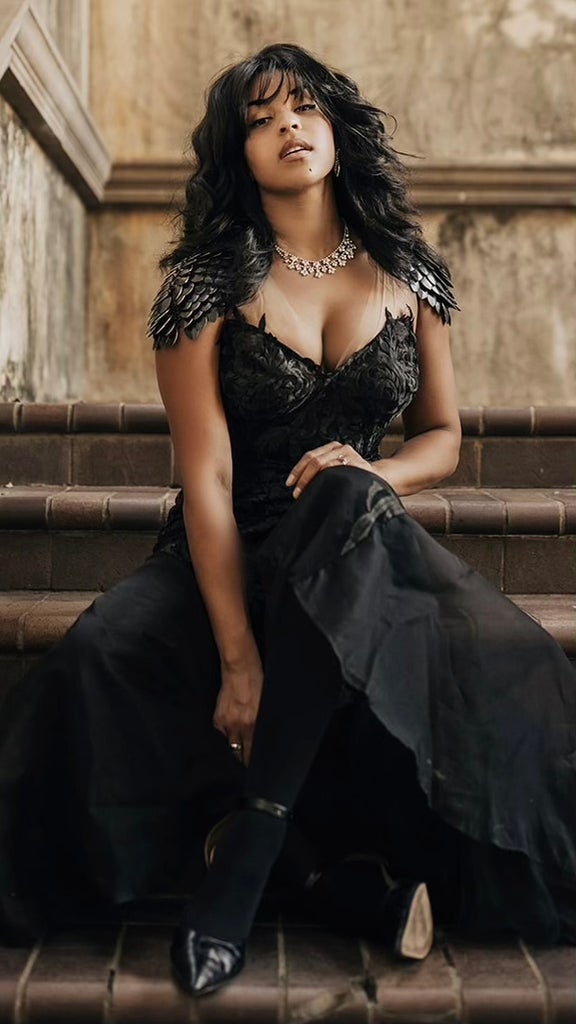
Madison Alexandra knew she wanted to wear a black wedding dress to her nuptials ever since she was a little girl. “I originally wanted to have wings, but I cut that out,” she says. Still, when it came time for her big day, the model and lingerie educator did want that fairytale gown. Inspired by Queen Ravenna (played by Charlize Theron) in Snow White’s film adaptation, Snow White and the Huntsman, Alexandra walked down the aisle wearing a black gown covered with an armor-like shoulder plate in May 2021. “I thought she looked very regal, and I wanted that kind of look,” she says.

She is not alone in choosing to forgo the traditional white ball gown for a black dress in order to express her personality during what some consider one of the most important moments in life. “I think that sometimes with these traditions, we can get so intentional that we can’t even see that someone may just not have that same preference,” says Alexandra.

For decades now, brides have worn black wedding dresses: Sarah Jessica Parker wore a black ball gown by Morgane Le Fay for her 1997 wedding to Matthew Broderick; Selling Sunset’s Christine Quinn sported a black princess-like dress in 2019; and Chloë Sevigny chose a skin-tight long-sleeved black dress with matching booties for her City Hall nuptials in 2020. But while these A-listers have normalized the idea, it’s still rare to see everyday brides sporting the look.

While “black” has been associated with evil and solemn rituals like funerals — which could explain why brides stay away from the hue — back in the 14th century, the high-quality dyes that the color required cemented the hue as a must-have for nobility to distinguish themselves. Over time, the concept of the “Little Black Dress,” credited to Coco Chanel, made it an essential part of everyone’s wardrobe. 

Yet, despite the color’s popularity in ready-to-wear, there is still limited availability when it comes to black wedding dresses. When Starr Lively started looking for a “big and poofy” black gown in 2019, she was unable to find the look she envisioned despite looking “everywhere.” Finally, she opted to go directly to an independent designer who could custom-make her one: “They were able to take a design that I created and bring it to life.” 

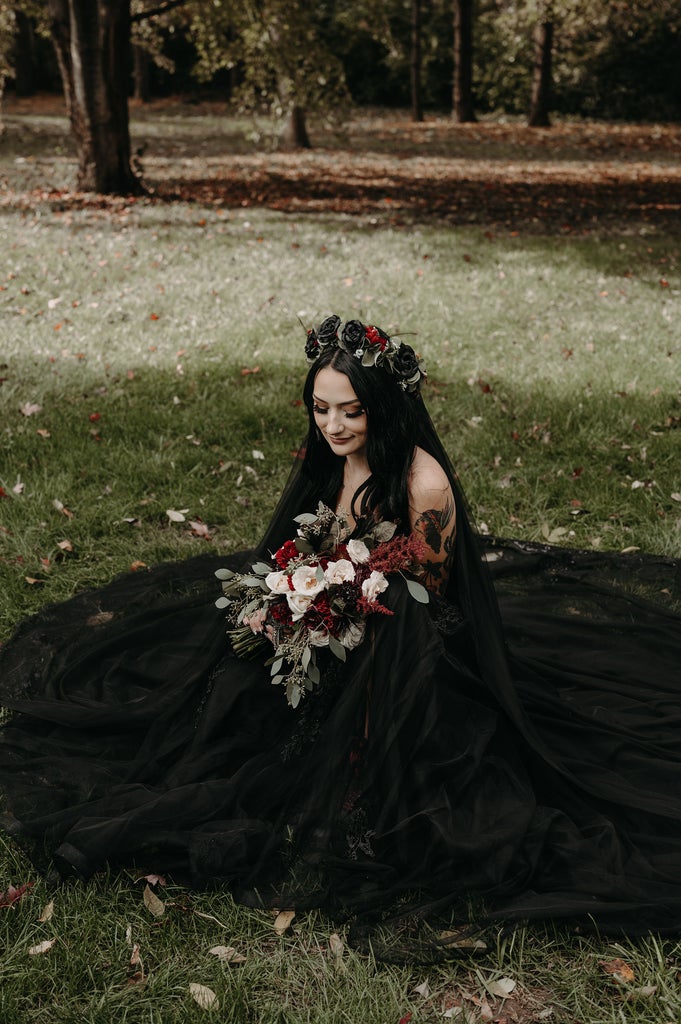
On the other hand, Skyelar Kowalewski had to rely on shopping for her wedding dress online because she couldn’t find a gown that she could try on in person. “There was a major lack of black wedding dresses. So that was kind of a hard thing to deal with because I was wondering, Am I actually going to be able to find something that looks like a bridal gown?” she says. “Or am I just going to be looking like I’m just wearing a black formal dress?” In the end, after spending a lot of time looking, she ended up finding a dress that matched her expectations — an A-line tulle dress with a matching veil that she paired with a flower crown. 

While it’s hard for many brides to find their perfect black wedding dress, more brands and boutiques are slowly incorporating the color into their collections. Brands like David’s Bridal, Galia Lahav, Maggie Sottero Zander, and Markarian have included black wedding gowns in their selection, while others like Honor and Monique Lhuillier have added black details — like ribbons and prints — into their traditional white dresses. Recently, Spanish brand Sophie Et Voilà unveiled its “Black Label” collection, which featured a selection of five black bridal dresses. 

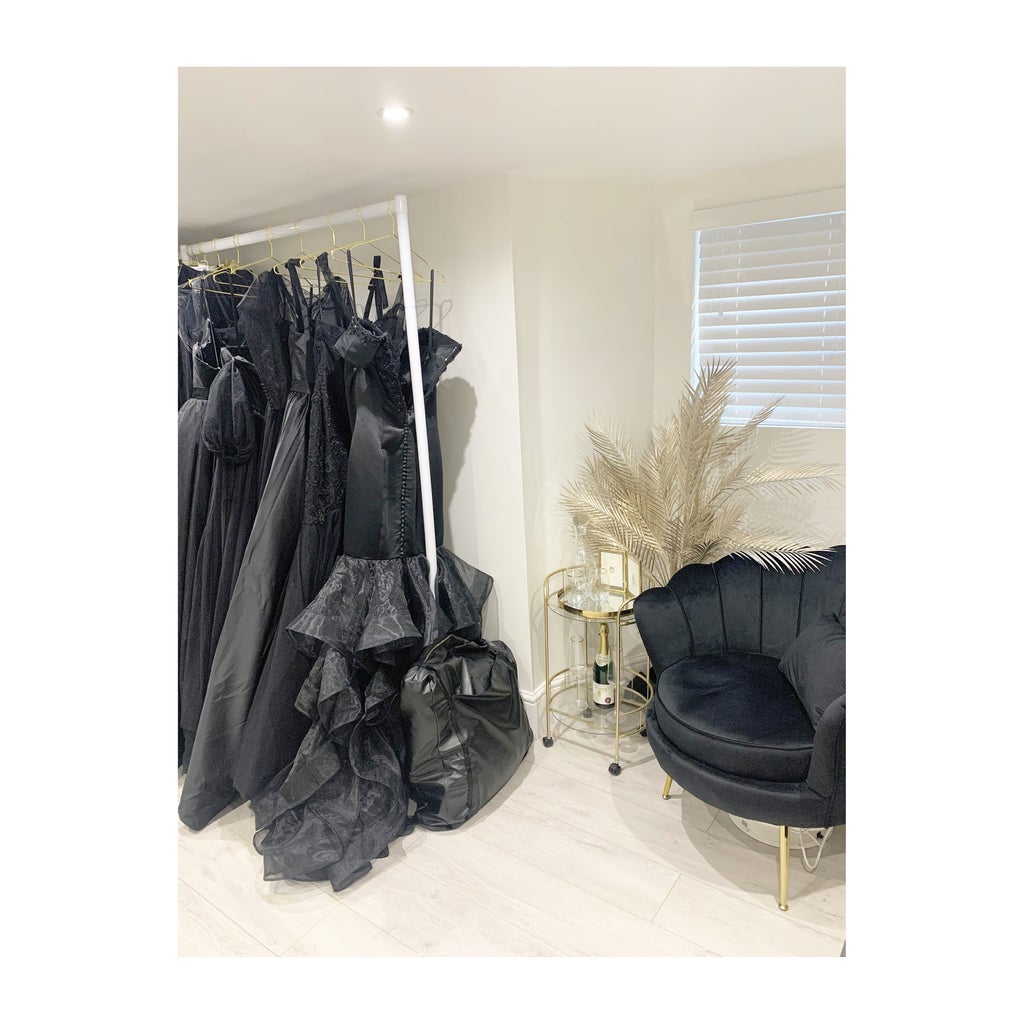
The lack of black wedding dress options is what inspired England-based designer Hannah Chivers to start her own boutique focused on black bridal gowns. Similarly to Lively and Kowalewski, Chivers had a hard time finding a black dress, so she decided to make it herself, which eventually prompted her to start her label Hannah Black Bridal.

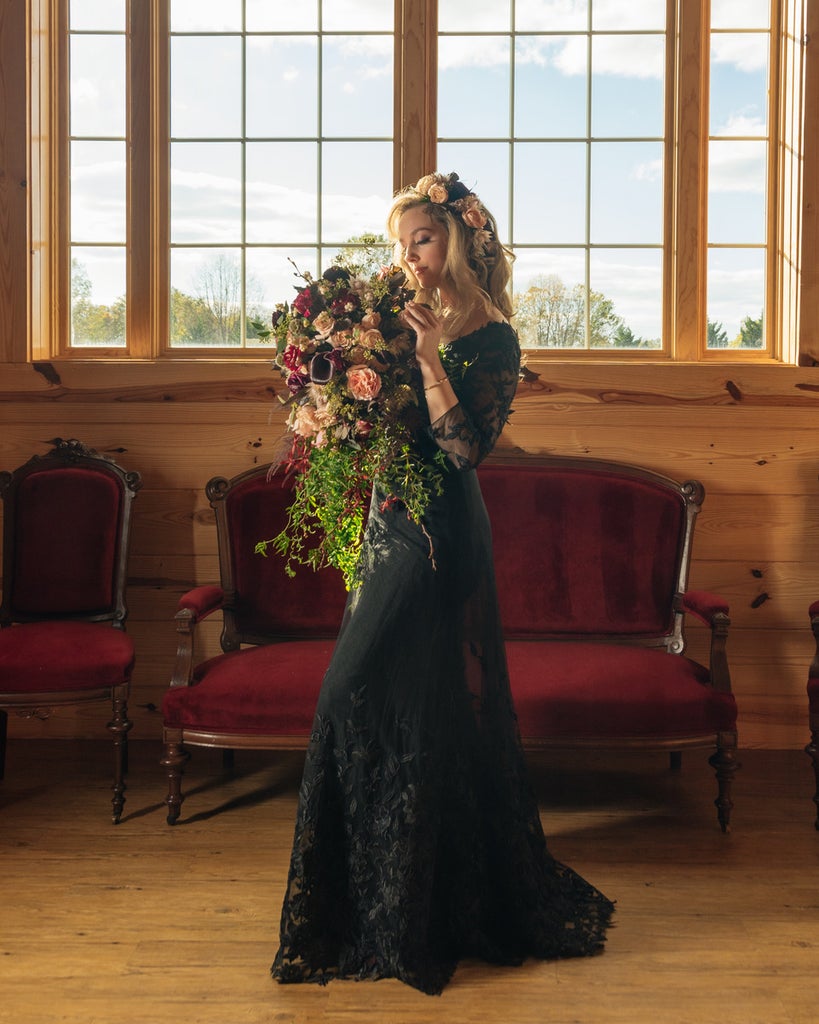
“I got loads of messages from people asking, like, ‘Can you make me one?’” she says. “I thought, Why don’t I just actually make it into a business because people want it?” Since then, Chivers has mainly focused on widening the alternatives for brides who want to wear classic silhouettes and traditional gowns but in black: “I really wanted to have black wedding dresses that were a really gorgeous, beautiful dress and just happened to be black,” she says. 

While the choice to wear a black wedding dress may be perceived as a statement, many brides don’t think about it this way. “I think that people have this idea that when you wear black, you are trying to buck tradition because it’s like the opposite color, right?” says Alexandra. “It’s really just an expression of the woman who’s wearing it.” For Alexandra Lima, who married in March 2022, white was never a choice: “90% of my wardrobe is already black. That is actually one of the reasons why I wanted to do that [wear black.]”

Meanwhile, Lively considers this rising trend a result of brides realizing that white is just one of the many options they have available, not the rule they need to subscribe to. “I had heard from friends who liked wedding dresses that weren’t white and would ask, ‘Can you even do that?’” says Lively. “You can do whatever you want on your wedding day.”

At Refinery29, we’re here to help you navigate this overwhelming world of stuff. All of our market picks are independently selected and curated by the editorial team. If you buy something we link to on our site, Refinery29 may earn commission.

Like what you see? How about some more R29 goodness, right here?

The Biggest Bridal Trends For Spring 2023

20 Bridal Suits That'll Have You Ditching The Gown

26 Non-Traditional Engagement Rings

Girlfriend’s New Athleisure Collection Is Easy, Breezy, & Summer-Ready

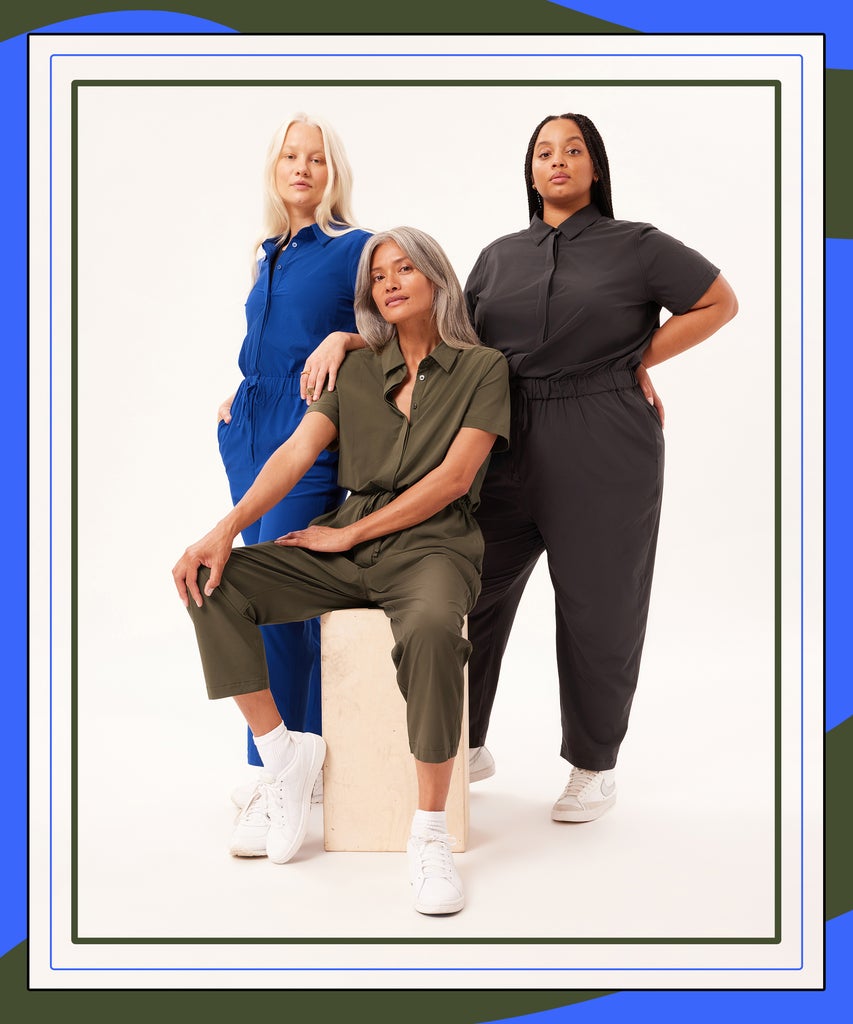
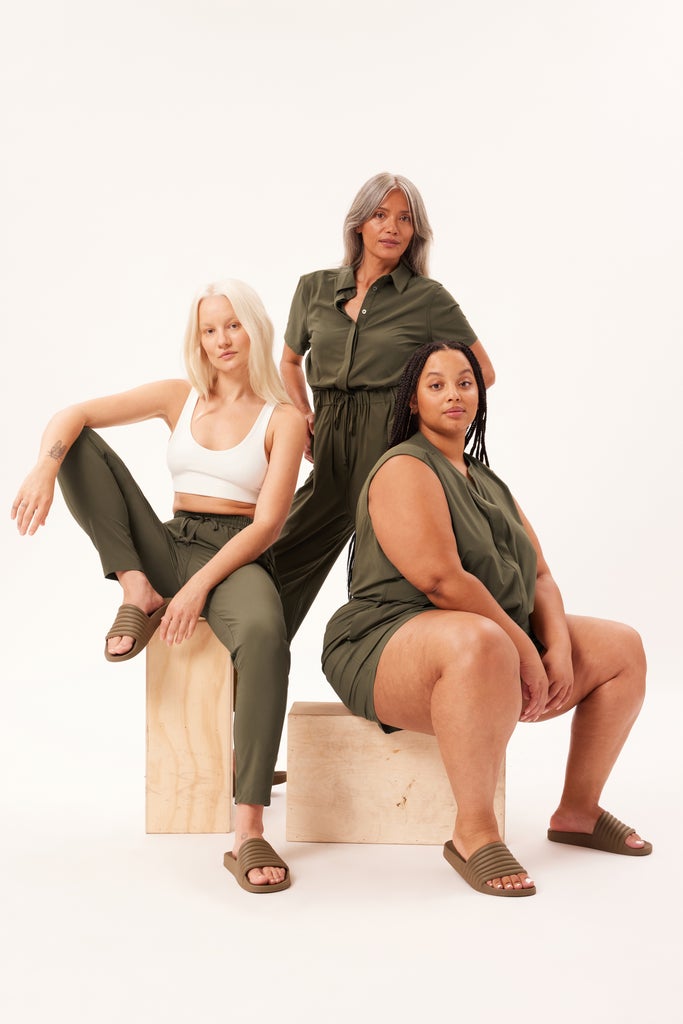
Girlfriend Collective’s wide range of size-inclusive activewear and lifestyle clothing has been a favorite of R29 for some time. If you are as obsessed with its well-designed pieces as we are on the Shopping team, you’re in luck: The sustainable clothing label just launched a stretch woven collection that’s easy, breezy, and summer-ready. Each piece is crafted from a new custom fabric that’s lightweight and airy — perfect for the soon-to-be scorching temps.

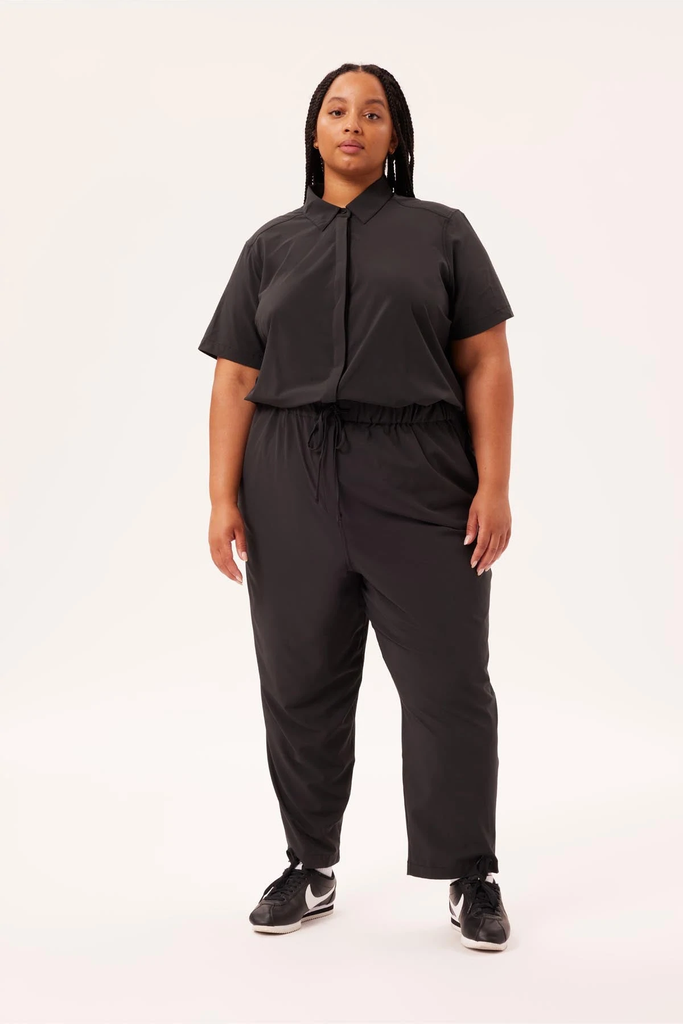
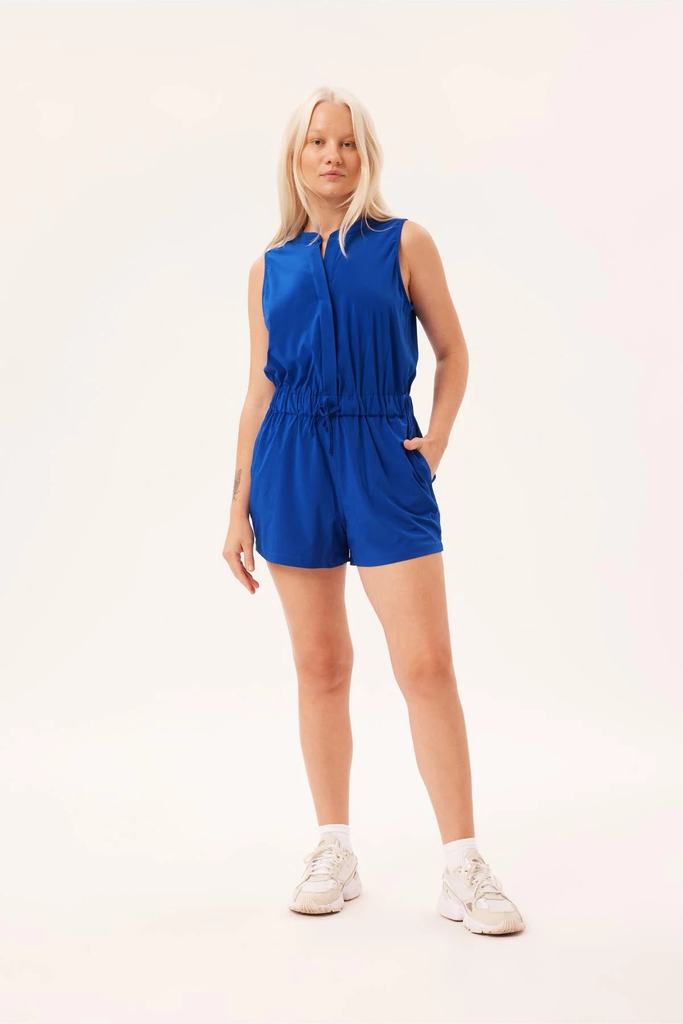
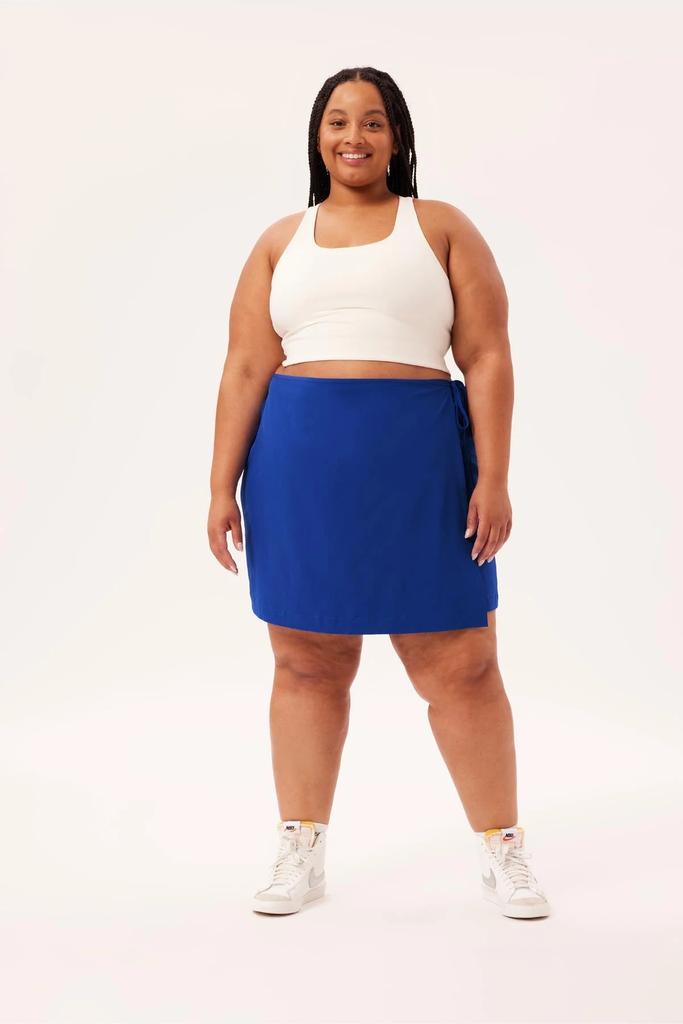
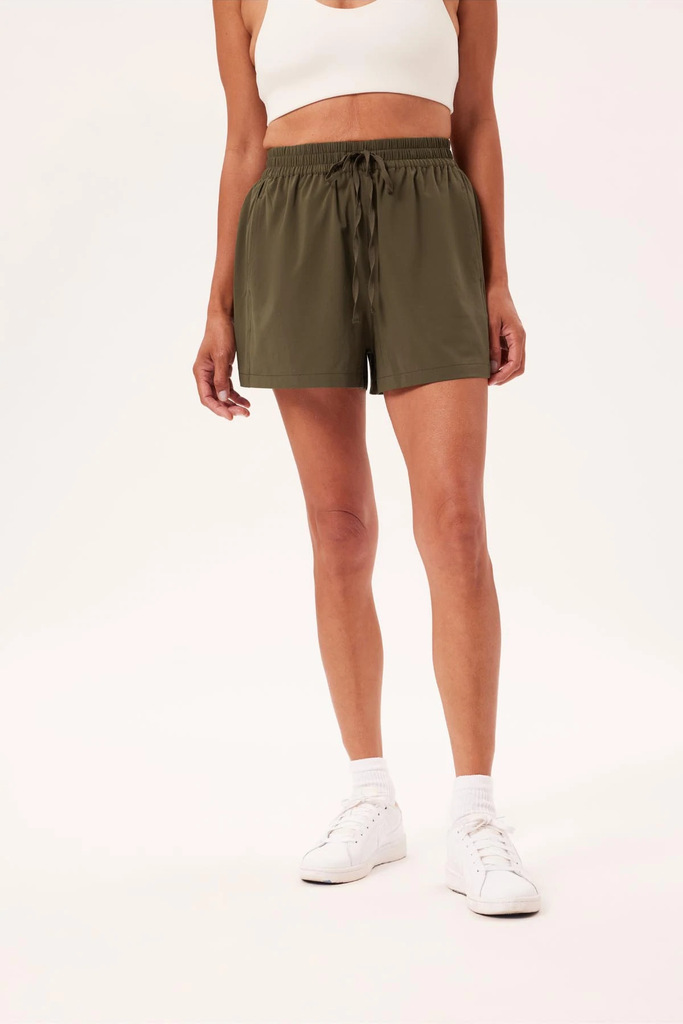
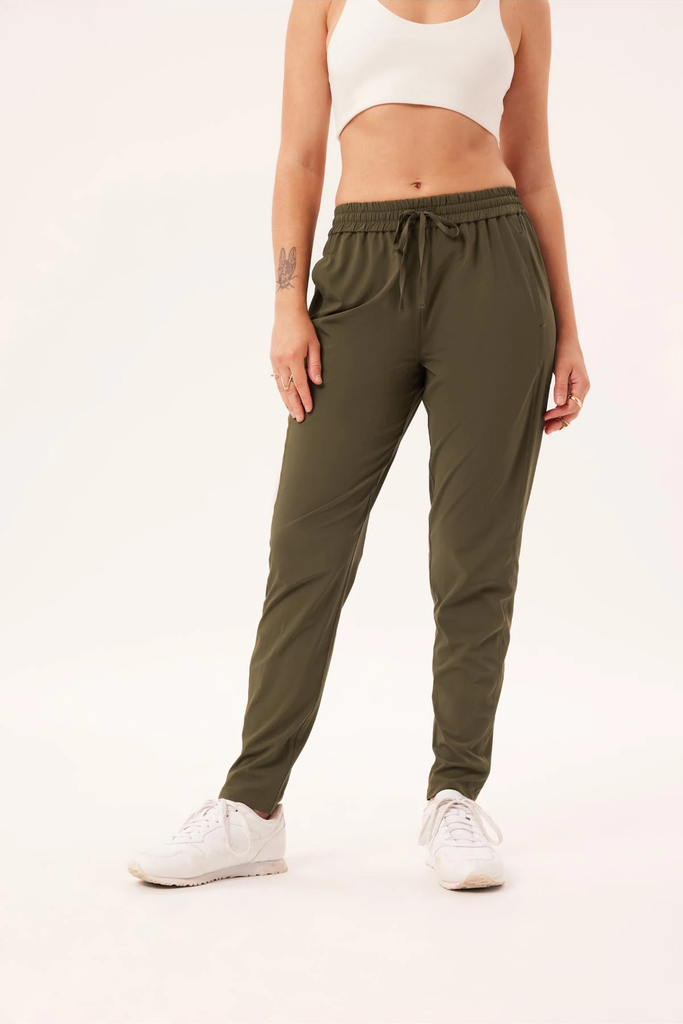
The new stretch woven collection is made from recycled polyester and spandex to give just a bit of stretch for the ultimate comfort and ease as you move through your day. The launch consists of five styles in three universally liked colorways: black, dark olive, and varsity (similar to a cobalt blue). The pieces in the collection include a short-sleeved button-up jumpsuit, a sleeveless button-up romper, everyday shorts, tapered joggers, and a wrap skort. As always, each style is available in an inclusive range of sizes — from XXS to 6XL. Read on to get all the details about each piece from Girlfriend Collective’s latest drop. 

Stretch Woven Jumpsuit, $118

The stretch-woven jumpsuit has a collar and a bit of a cinched waist, and the sleeves help you feel covered up while giving you space to breathe. It is perfect as a summer workwear piece that won’t leave you sweating bullets. Pair it with heels and a blazer for fancier days in the office.

Varsity Stretch Woven Sleeveless Romper, $92

With a handy adjustable cinch waist, the romper is like the jumpsuit but with less coverage. It’s an ideal option when you want to look put together but not like you tried too hard, whether you’re going to the farmers market or on a museum date.

Varsity Stretch Woven Wrap Skort, $58

There’s nothing more Y2K than a mini skirt, but GF decided to do us all a solid and add shorts. Now bike riding and sitting crisscross applesauce in the grass are all but possible while giving off all the cutesy vibes.

Stretch Woven Easy Short, $55

If the sun is out, legs are out because it’s shorts season baby. These have a little length to them, so you won’t have to worry about the coverage situation. Plus, they come with a nice drawstring for adjustability.

Stretch Woven Jogger, $82

Who doesn’t love a good pair of joggers? These are like fancier sweatpants that are summer-weight. Out of every piece in the collection, this one will go most easily from work to workout.

At Refinery29, we’re here to help you navigate this overwhelming world of stuff. All of our market picks are independently selected and curated by the editorial team. All product details reflect the price and availability at the time of publication. If you buy or click on something we link to on our site, Refinery29 may earn commission.

Like what you see? How about some more R29 goodness, right here?

Why Fashion Brands Are Launching Resale Programs

Girlfriend Collective Launches Inclusive Swimwear

Plus-Size Memorial Day Sales Worth Shopping Now

Tuesday, May 24, 2022

According To Repair Shop, The Future Of Sustainable Fashion Is Darning

Mending a pair of blue jeans with multicoloured thread, by hand. Scissors, measuring tape and pin cushion all lie nearby.

Sam Bennett started 2020 with a resolution: The creative would no longer buy new things, unless there was a real necessity for the item or if it was unavailable secondhand. A few months later, the pandemic struck. While there wasn’t a need to buy any clothing when the world went into lockdown, faced with the four walls of her New York City apartment, Bennett’s penchant for DIY went into overdrive. With the help of her friend Rachel Smith, Bennett learned how to darn, a mending technique that involves filling in holes in knits and wovens. 

“I had a lot of guilt about making [new things] because of the [environmental] crisis that we’re in, but when Rachel showed me how to darn, it felt like the perfect remedy to my problem of feeling bad producing more, because I was already dealing with the existing,” says Bennett. 

After, according to Bennett, bonding over “repair work as an art form,” the two launched Repair Shop, a studio dedicated to the maintenance of apparel, among other items. After their first test workshop sold out, according to Smith, “we were like, ‘Okay, I guess there’s an audience for this.’” 

Like patchwork and other forms of clothing repair, darning has been around for centuries, before mass production made it easier to replace an item, rather than repair it. Lockdown boredom aside, it is currently experiencing a surge in popularity right now — and for a good reason. Unlike pottery or weaving, it’s relatively cheap to get started (all you need is a darning needle, yarn, scissors, and a piece of hard, round fruit or a darning mushroom to use as a tension device). And, unlike other DIY activities, which sometimes require more focus and expertise, it’s fairly easy to do while watching Love is Blind on Netflix. 

According to Sandra Goldmark, director of campus sustainability and climate action at Barnard College and author of the book Fixation: How to Have Stuff Without Breaking the Planet, even pre-pandemic, there was an interest in repair as a form of “backlash against fast fashion.” But it was “during the pandemic [that] many individuals all of a sudden had time to engage in activities that speak to this growing dissatisfaction with the large system. Mending, darning, and crafting are all ways to feel more connected to the things we own, and to take a small personal step towards a healthier pattern of consumption.”

During the workshops, which take place at Brooklyn’s Greenpoint Library as part of Repair Hub‘s year-long project, Bennett and Smith go over the history of garment repair before explaining how to darn, which involves using weaving warp and weft stitches on the fabric to cover the hole. Depending on the garment and yarn, you can make this stitching essentially invisible, but Bennett and Smith prefer “visible mending,” which they see as a declaration that says, I refuse to put this garment in a landfill. 

This is a big statement at a time when, according to the non-profit Fibershed, “one garbage truck of textiles goes to the landfill or incinerator every second… and more than half of garments produced these days end up in a landfill within one year.” And while sustainable fashion is billed as an ethical alternative, it’s still a function of capitalism: persuading people to buy more stuff.

“Unfortunately, I don’t think there is such a thing as sustainable fashion,” says Sarah Nsikak of La Réunion, a clothing brand that uses vintage, antique, or deadstock materials. “There is a way to make things responsibly, but sustainability would be to make less or to stop making things entirely. Capitalism will never allow that, so the facade of sustainability lives on to exonerate brands that greenwash and do the bare minimum.”

Nsikak is part of a small but growing cohort of designers and fashion insiders who are taking up mending in response to fashion’s growing problem of excess waste: In April, she attended a Repair Shop workshop hosted RefashionWeek NYC, an annual event hosted by donateNYC and the Sanitation Foundation with the goal of reducing textile waste and reimagining the fashion industry via events that aren’t just runway shows. Since launching in 2019, it has incorporated upcycling and repair workshops into its programming to meet demand. (Alissa Westervelt, senior manager of donateNYC, said the repair sessions this year, which included Repair Shop, were “some of our most popular.”)

Another attendee, Paola Shayman, joined a Repair Shop workshop on February 13 to add to her growing arsenal of DIY skills: “In the beginning of the pandemic, I did an online workshop for dyeing clothes with natural dyes, and another for beginner’s sewing. My hope is that I’ll eventually build up enough skills in this world to no longer have to rely on purchasing clothes from large retailers.”

Shayman’s aim of divorcing herself entirely from big fashion brands is reflective of a larger shift in consumer mindset. According to a 2020 survey by Genomatica, 52% of American shoppers “believe that sustainability is important,” but 48% “don’t know how or where to find sustainable clothes.” It’s a conundrum made worse by greenwashing, where brands falsely advertise their products as environmentally friendly. Moreover, truly sustainable brands are often prohibitively expensive. Mending, on the other hand, is a hobby that almost anyone can adopt. “With mending, you’re averting waste. You’re not creating waste,” Smith says. 

Of course, the mending movement isn’t just about clothing; the repair-reuse ethos can extend to almost everything we own. “In the United States especially, we have everything that we need and more, and especially as a designer, I think we’re at the point that it’s irresponsible to design new, unless it’s really, really necessary,” says Bennett. “Once you realize you can fix something, where else can it lead? The power of our own hands is really exciting.”

Like what you see? How about some more R29 goodness, right here?

Is Mushroom Leather The Future Of Eco-Fashion?

How To Patchwork Your Jeans, According To TikTok

How To Get The Perfect Tie-Dye Every Time