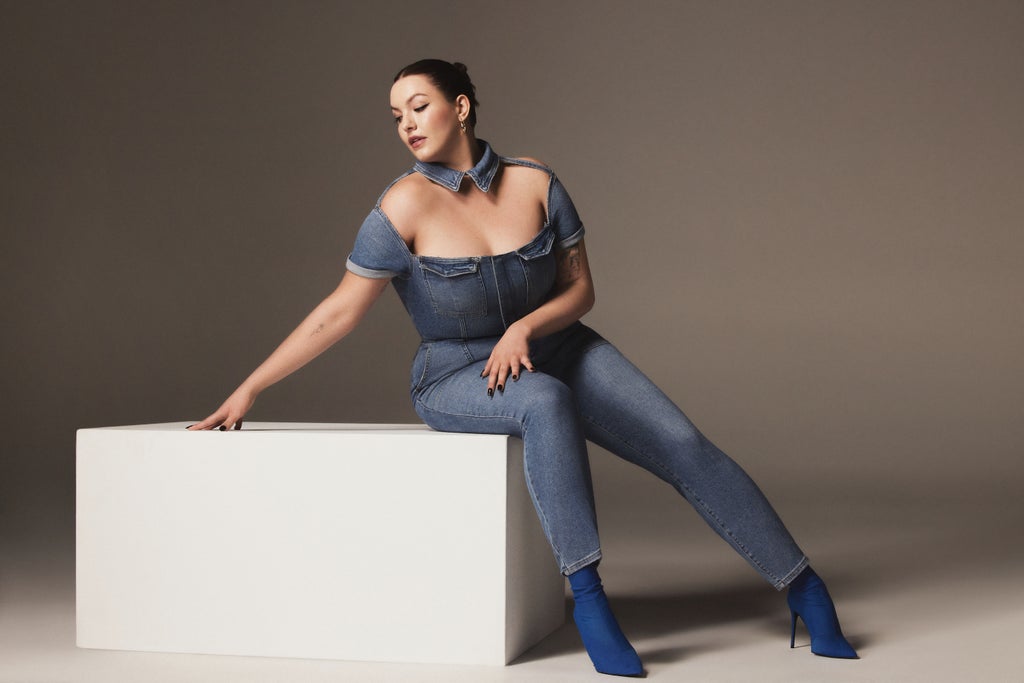
A new season is always exciting, whether it’s celebrating upcoming holidays with loved ones or basking under the sun for hours. Yet, the stress of dressing and shopping for each season is still overwhelming, especially when it comes to budgeting for it.
While fashion trends may look appealing, our wallets may think otherwise, resulting in a tug of war between our current closets and our dream seasonal wardrobes. Some important questions arise, including “How much should I spend on a coat?” or “Do I really need to buy a trendy shearling bag for this fall?,” especially considering this roulette goes around four times a year (depending on where you’re based).
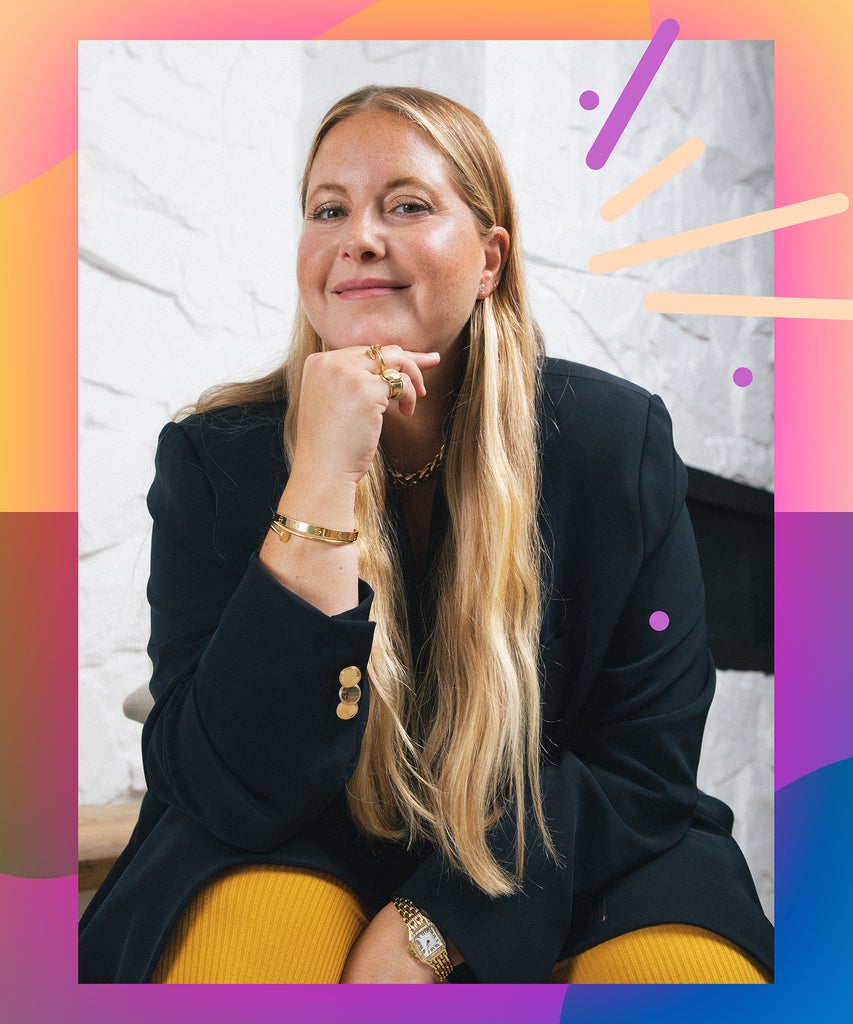
For finance expert Bola Sokunbi, it’s all a balancing act. “Fashion is what you make of it,” says Sokunbi, who is the founder of the personal finance platform, Clever Girl Finance. “You want to have those foundational pieces in your closet that you can wear at any time without having to replace them every single season because they’re now ‘out of fashion.’”
Ahead, Sokunbi shares the key money moves that’ll transform your closet from season to season without going broke.
Save Up Ahead Of Time
While for most people a change of seasons may not mean a desire for a new wardrobe, Sokunbi says that it’s normal for people interested in fashion to want to invest in a trendy look. That’s why she recommends setting up an account just for shopping. “This is basically an account where every month you can put a little bit of money that doesn’t impact your other financial goals or bills,” she says. “Then when times like this come when you want to do some shopping, have cash there, and you don’t have to worry about how to afford it.”
Shop Your Closet
Before you start shopping, Sokunbi says you should start with evaluating your closet to determine “any gaps on essentials that you actually need,” from footwear and clothing to accessories and jewelry. For example, for the spring and summer months, you may be short on sandals, while in the fall and winter seasons, your wardrobe might be missing comfy turtlenecks. “That’s the first item you want to prioritize,” she says.
Don’t Overspend On Trends
While essentials are needed to survive each season, that doesn’t mean your style should be basic. Sokunbi says there is still room to shop for trends, even if you’re trying to be financially responsible. “Determine what are the trends that you’re interested in,” she says. “And then look at your wardrobe gaps and what’s in your closet to see if there are items you can add to stay on trend without having to buy a whole new wardrobe.”
Create A Budget
Before you even plan a shopping day or log on to your favorite e-commerce site, Sokunbi urges people to “determine the maximum amount that you’re willing to spend.” That amount will determine how much you will be able to spend on essentials and trendy items. “You could probably find that you won’t be able to buy every essential item, or that you are willing to spend your budget on one piece that costs more but is higher quality,” she says.
While the budget depends on each person’s style and income, Sokunbi says she still recommends people to follow a 70/30 method. “That means spending 70% [of your budget] on the core classics and 30% on trends,” she explains.
Get On The Resale Market
In case you’ve missed it, the resale market is booming. And that means that consigning items in your closet may mean a good pay back. Sokunbi says this is a fitting strategy to build up your budget for some new clothes each season. “It could be things that you have been wearing for a long time, things that you no longer like, that no longer fit you, or even that you bought on an impulse purchase,” she says, adding that platforms like Poshmark, eBay, and The RealReal are good options to try, as well as clothing swaps with friends and family. “Remember that someone else’s trash is somebody else’s treasure.”
Sokunbi is also emphatic that, if you choose to sell items, you need to be intentional about how you use the money. “I’m always intent on putting the money that I earn from that down into another item,” she says. “This way you minimize how much you’re having to take out of your paycheck or your savings account.”
Like what you see? How about some more R29 goodness, right here?
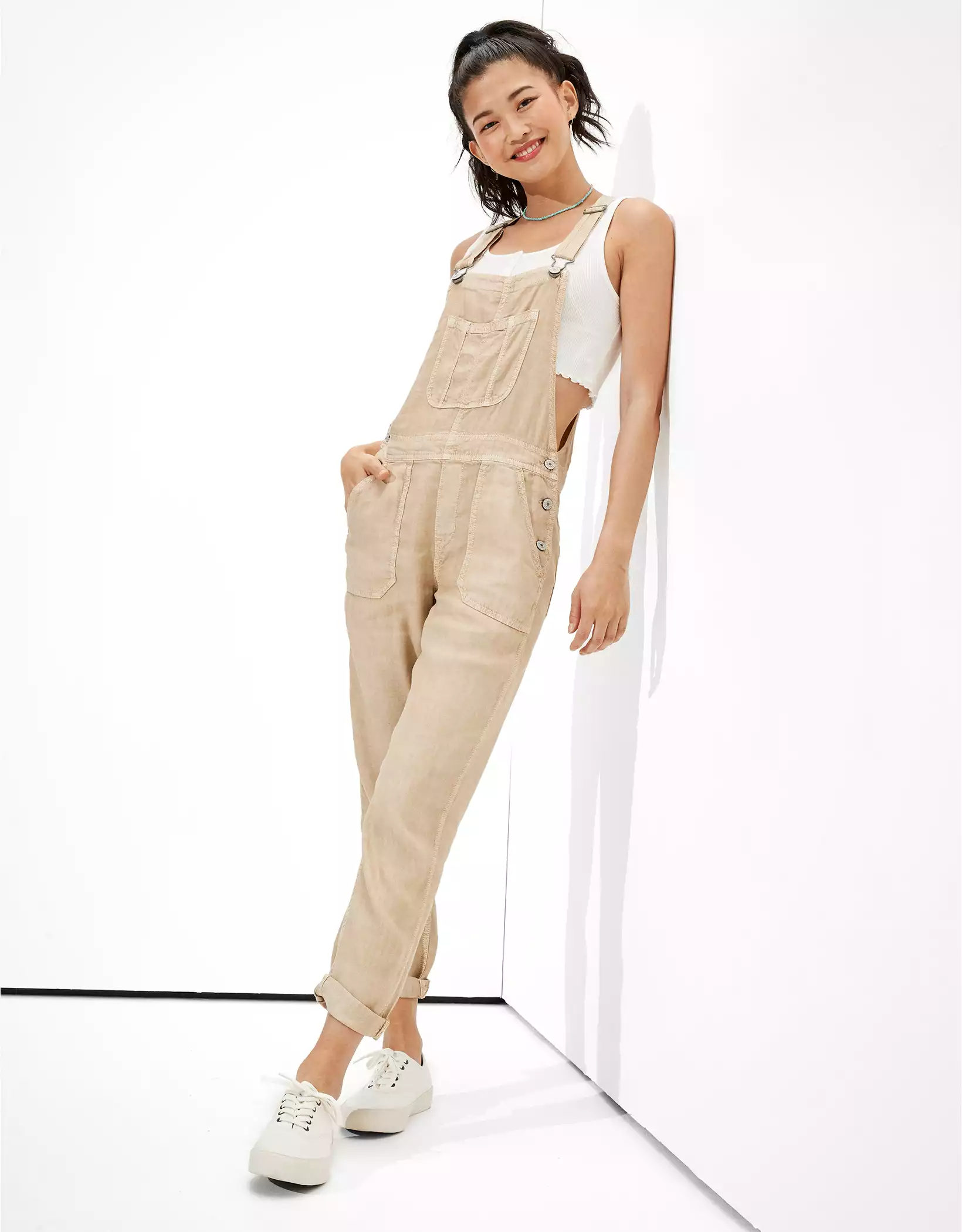
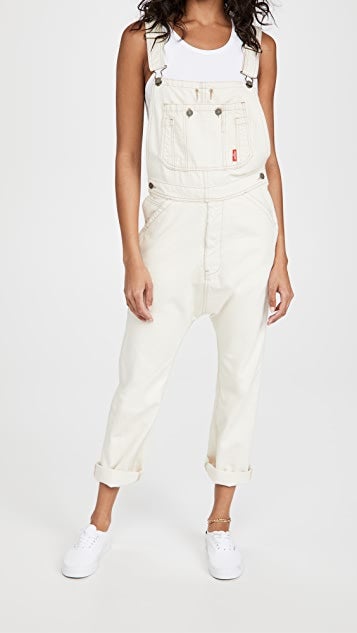
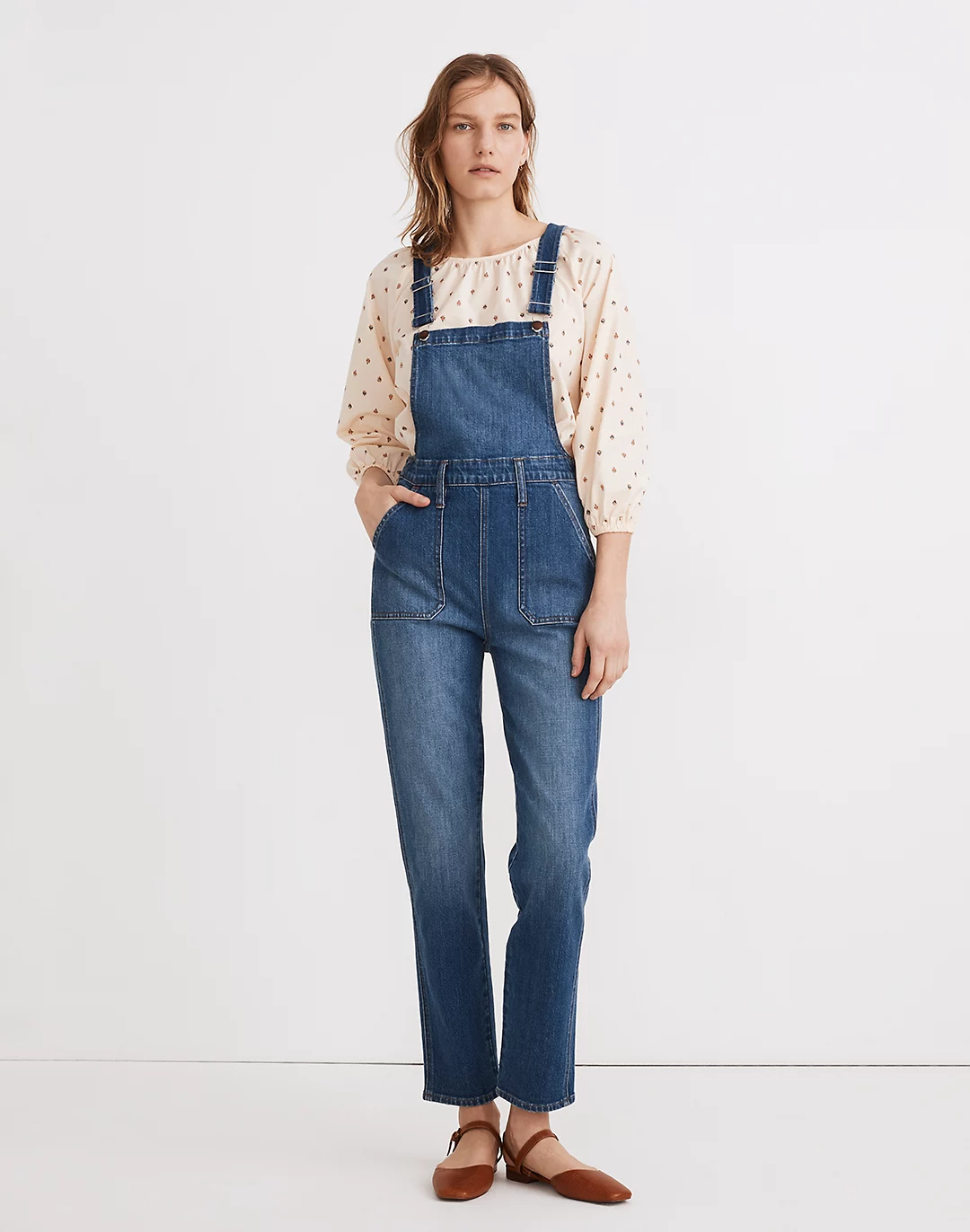
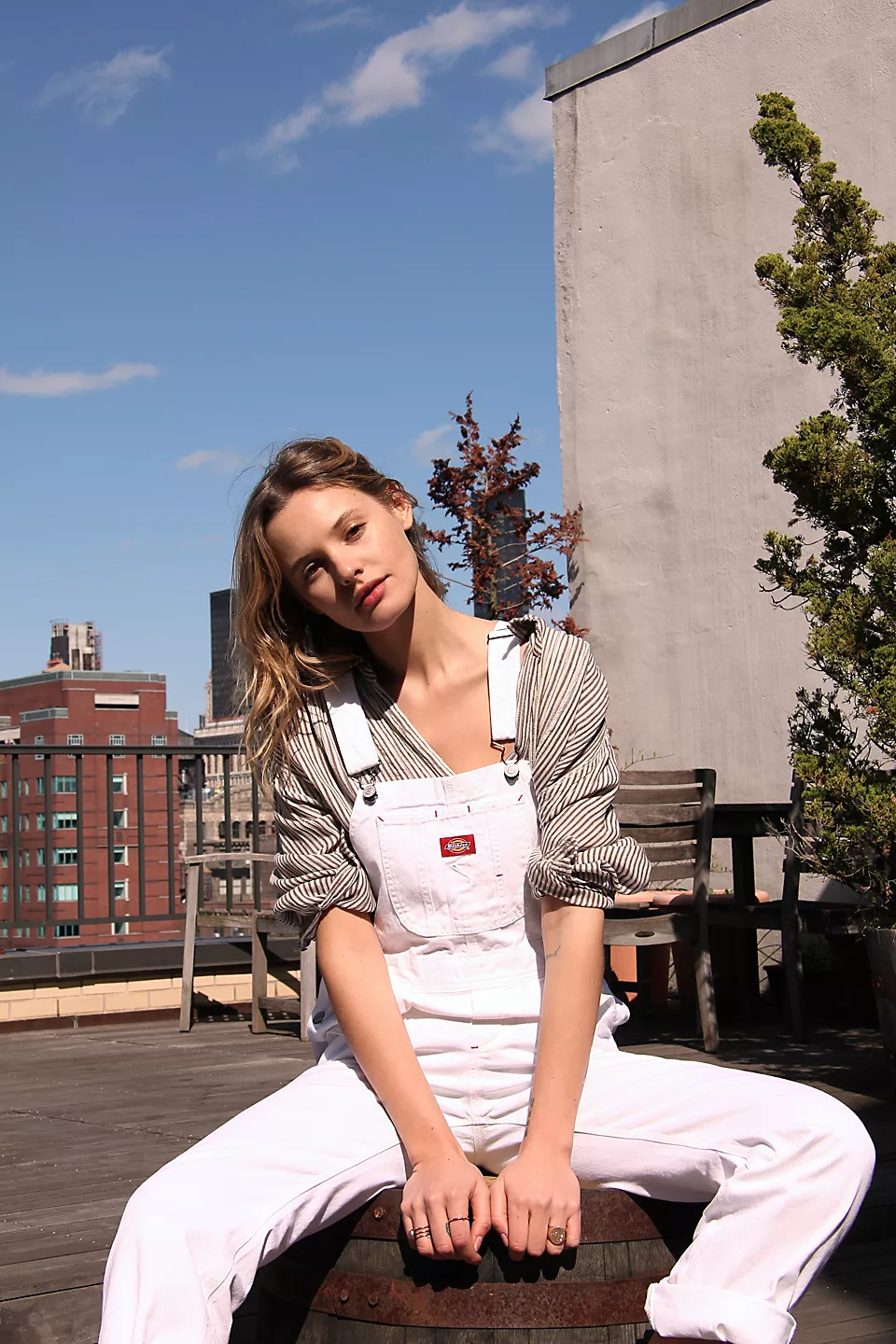
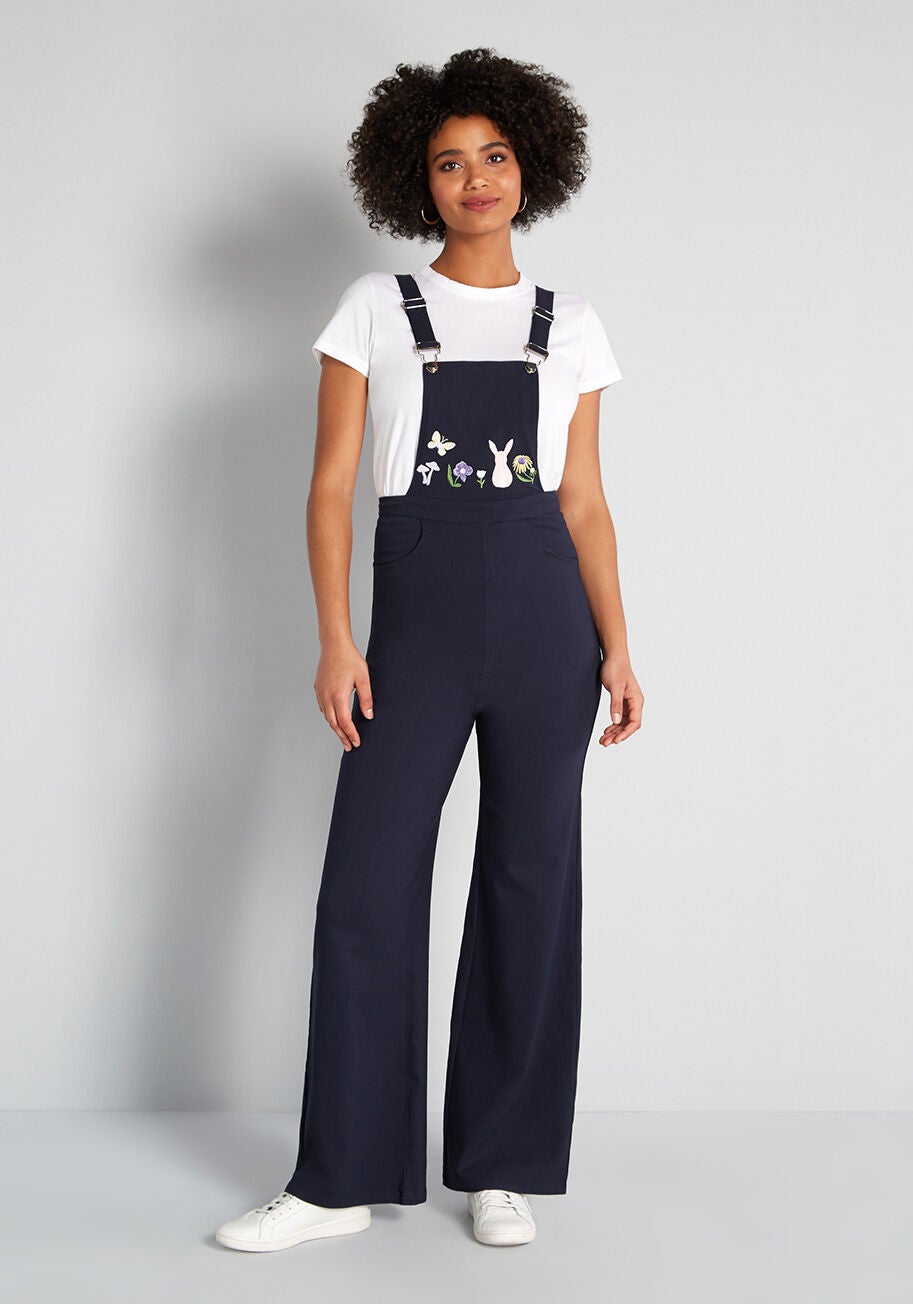
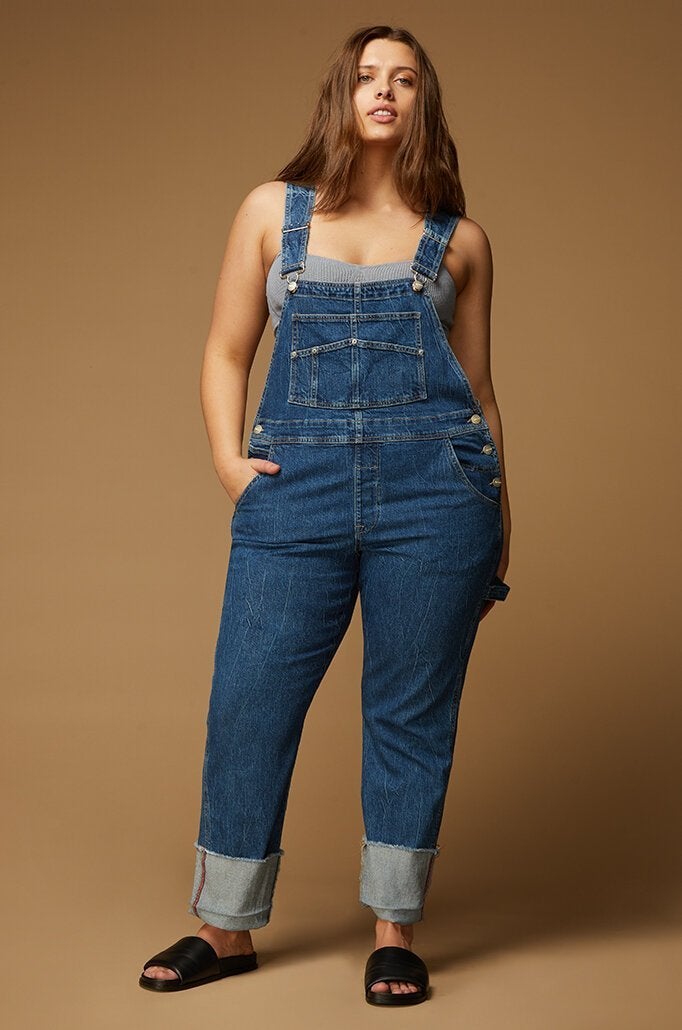
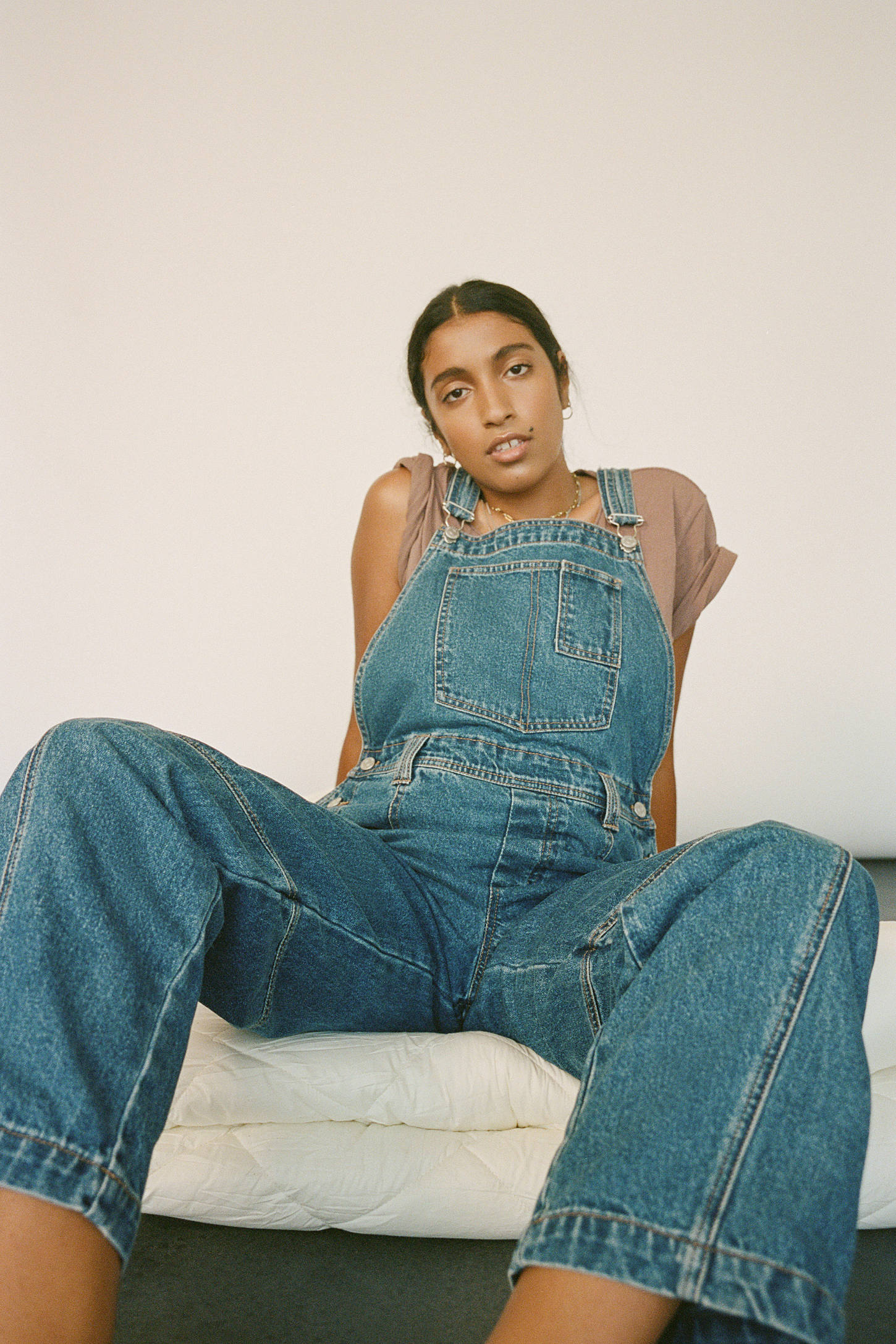
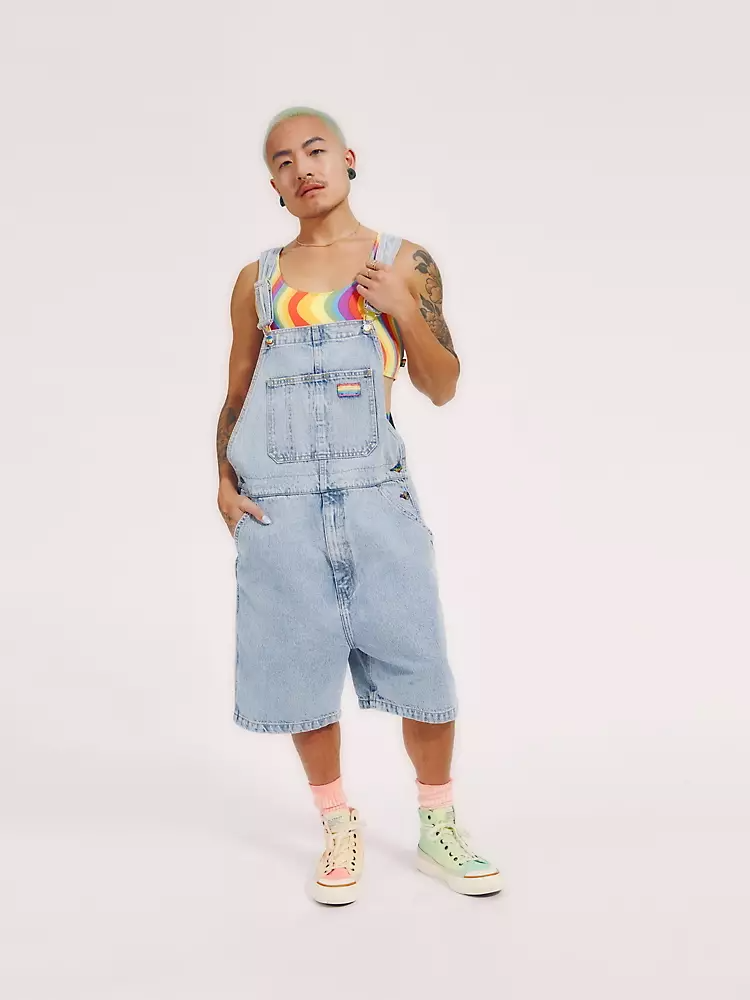
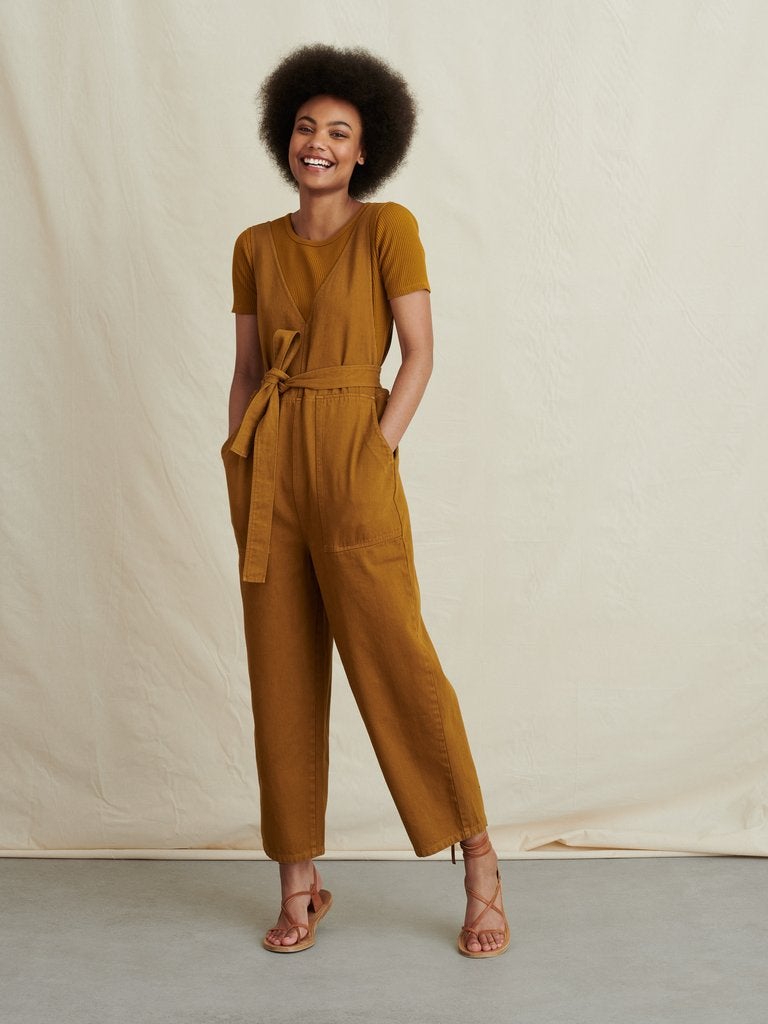
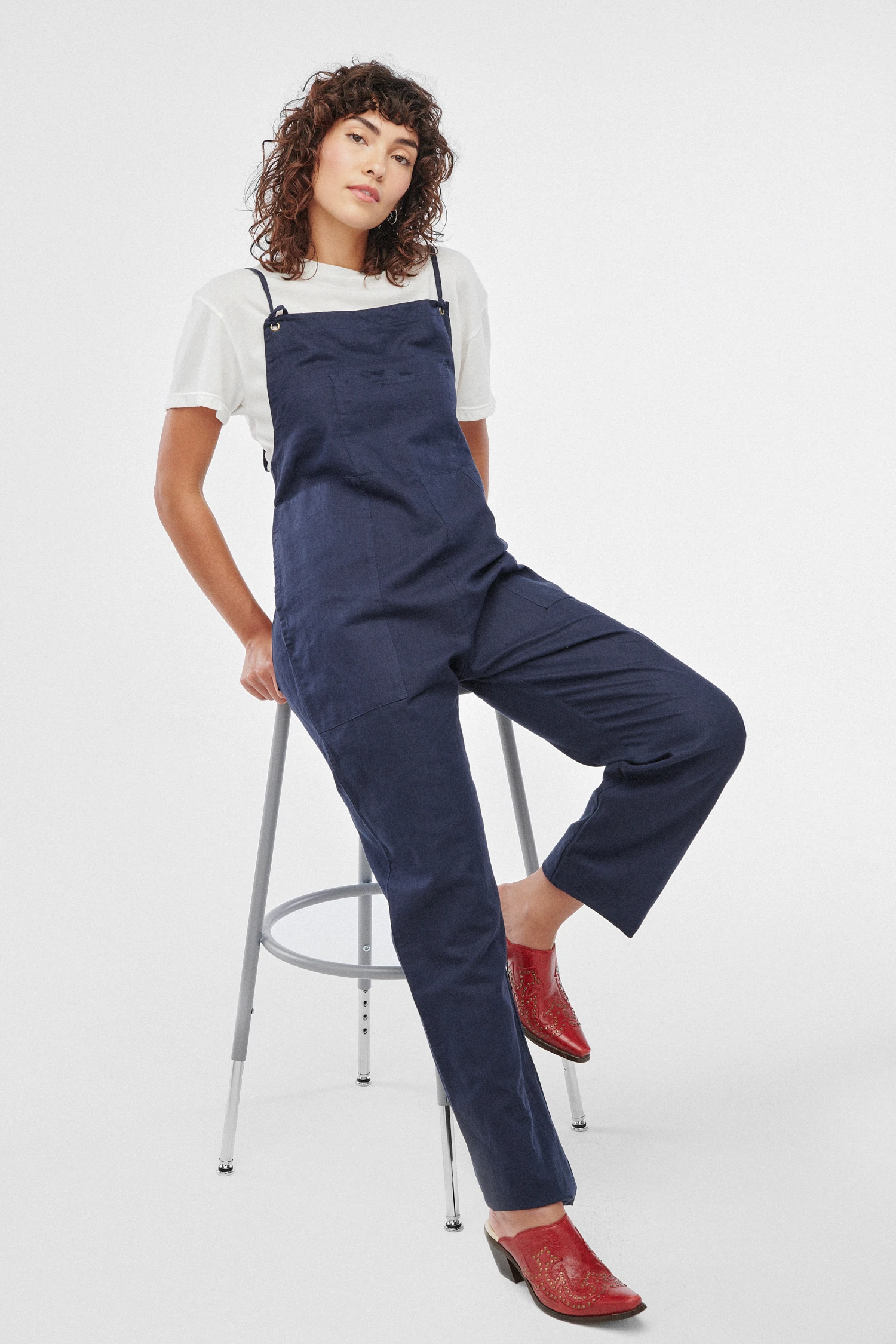
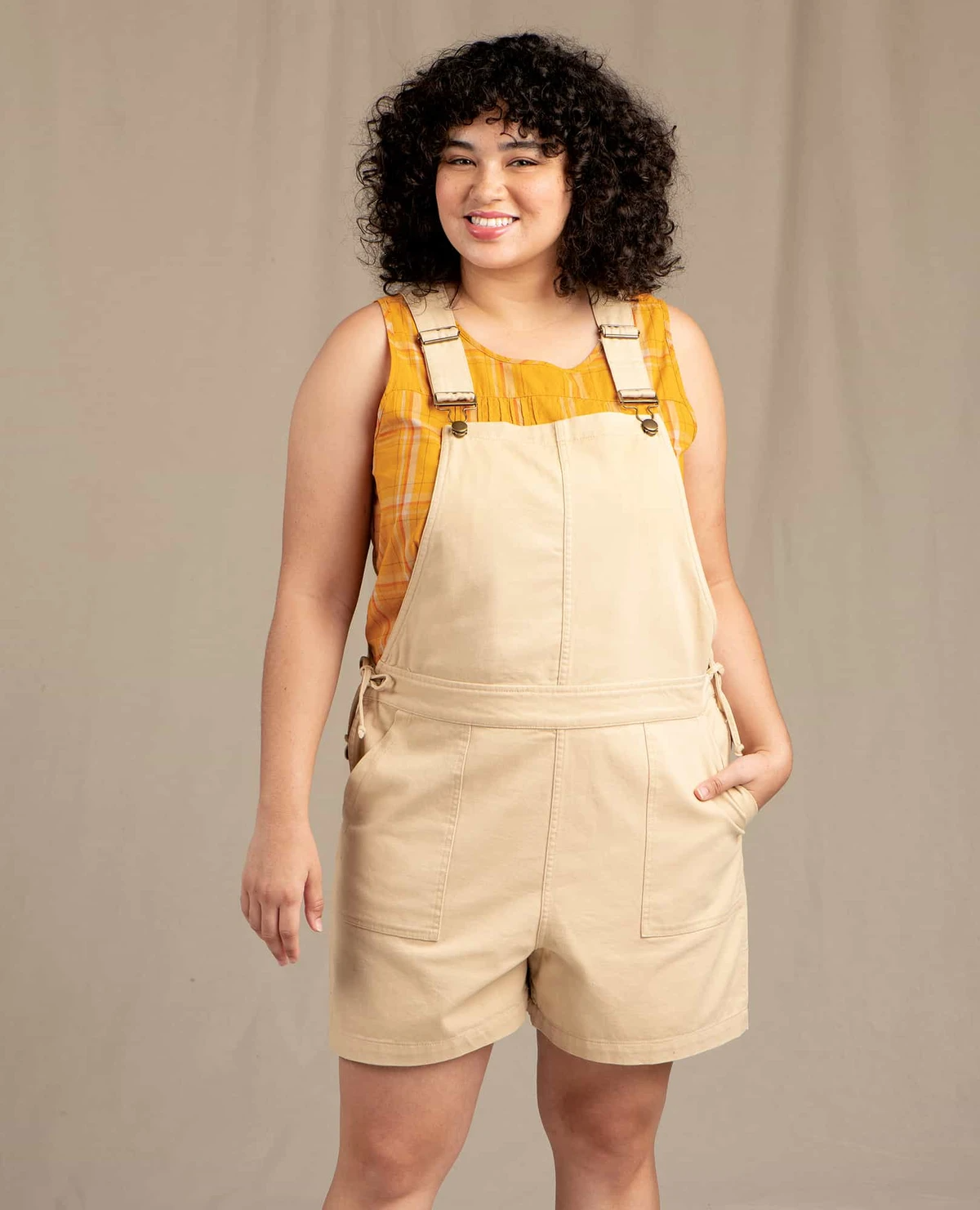
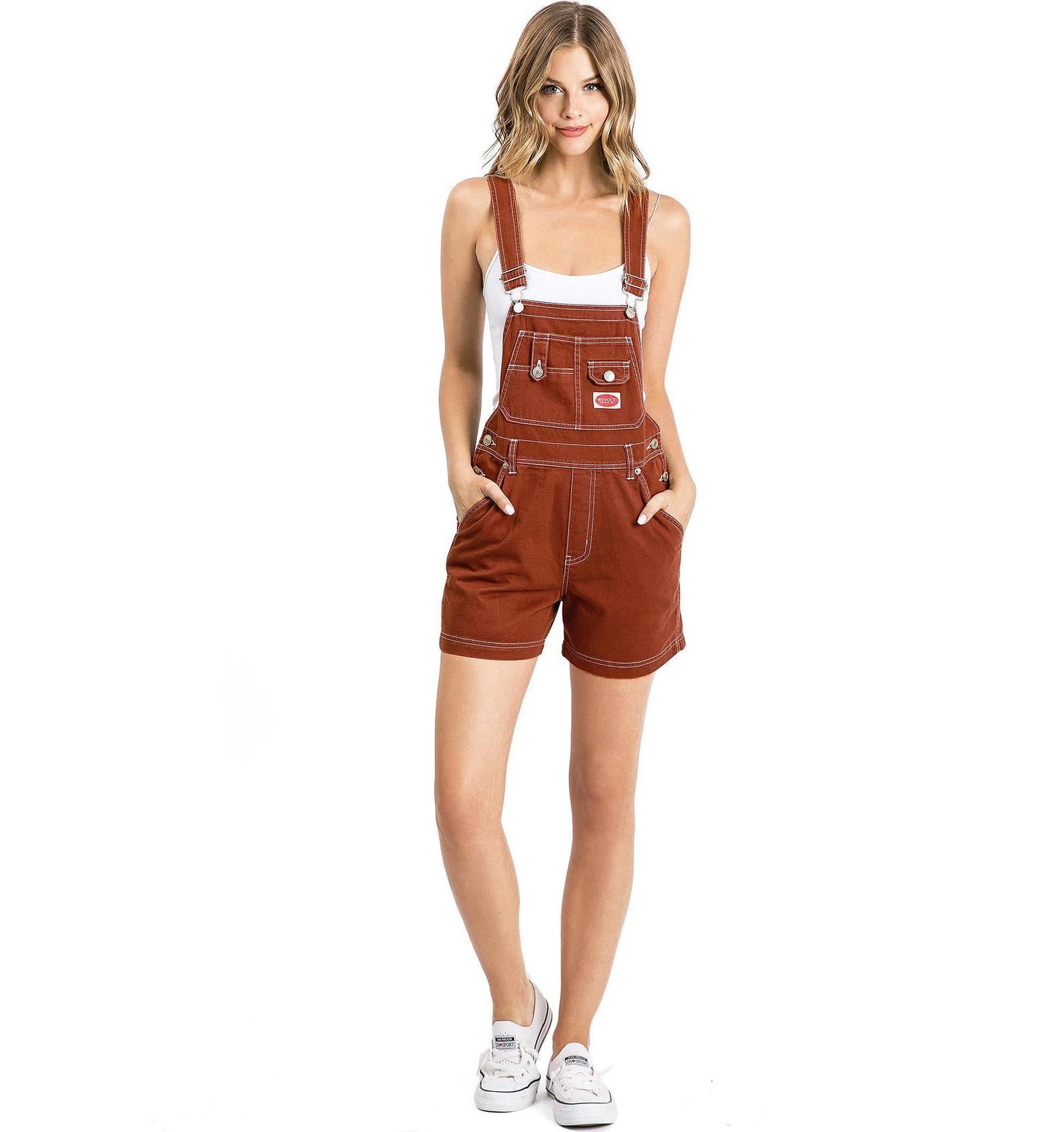
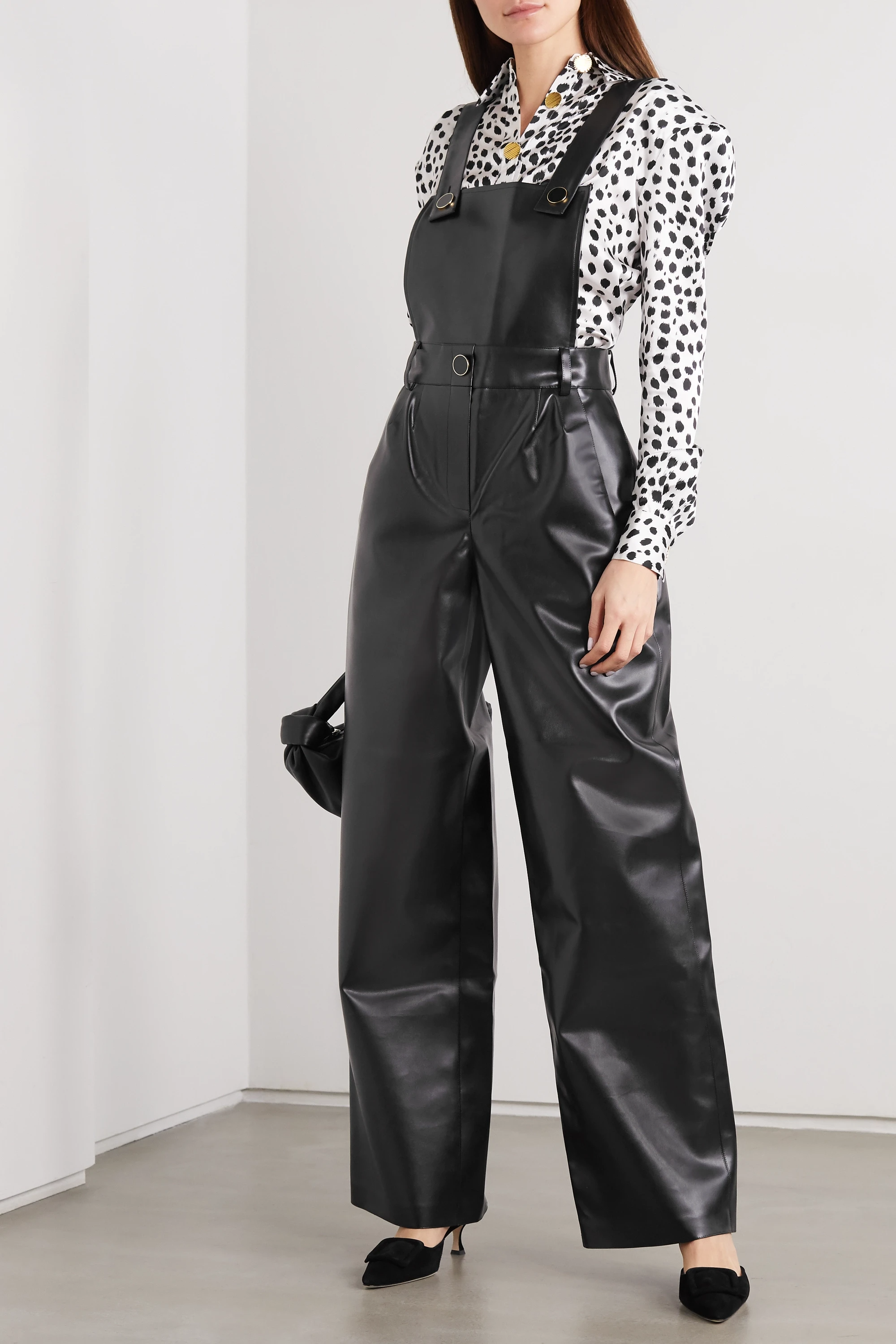
Overalls have come a long way since the 1940s when they became popular with women entering the manufacturing sector en masse. The denim-bib style that was once the working person's uniform has evolved into an easy-wearing, one-and-done wardrobe staple (much like the denim jumpsuit) for the fashionably inclined. The reason, we'd venture to guess, is that these layerable pieces make for ideal year-round wear — especially in the autumn. Those dreary fall days when you don't know what to pair with your sweater — overalls. An upcoming visit to the pumpkin patch or any fall festivities — overalls. Therefore, readers upgrade your fall fashion wishlists with a new pair of overalls or two.
Whether it’s the rugged ease of a classic denim version or the sumptuous softness of a joyful printed corduroy, this utility-chic tog has seized us with a shopping fever that we won’t shake until we’ve found the perfect pair. While classic brands like Dickies are still turning out sturdy workwear iterations in basic blues, blacks, and whites, newer overall styles can now be found in every conceivable fabrication. Not to mention reader-favorite retailers like Anthropologie, Madewell, and Nordstrom stock a veritable who’s-who of the coolest brands and pairs. Click through to see all the best overalls.
At Refinery29, we’re here to help you navigate this overwhelming world of stuff. All of our market picks are independently selected and curated by the editorial team. If you buy something we link to on our site, Refinery29 may earn commission.
Denim Overalls
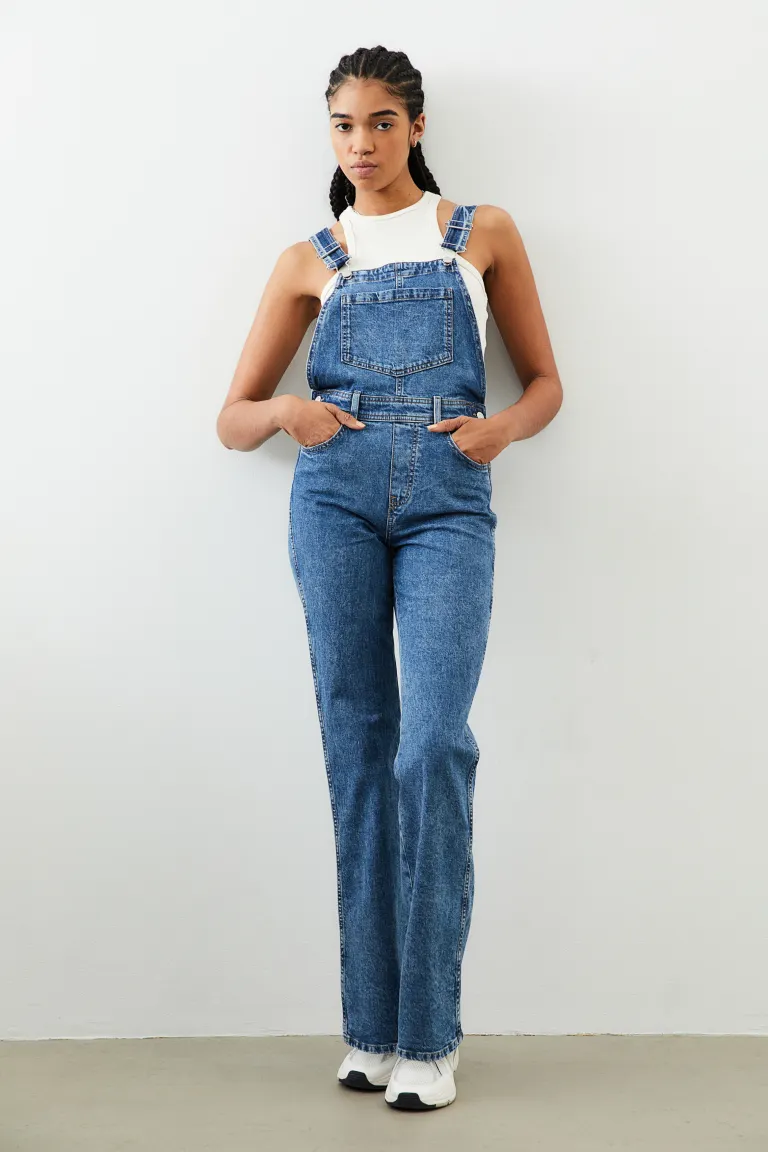
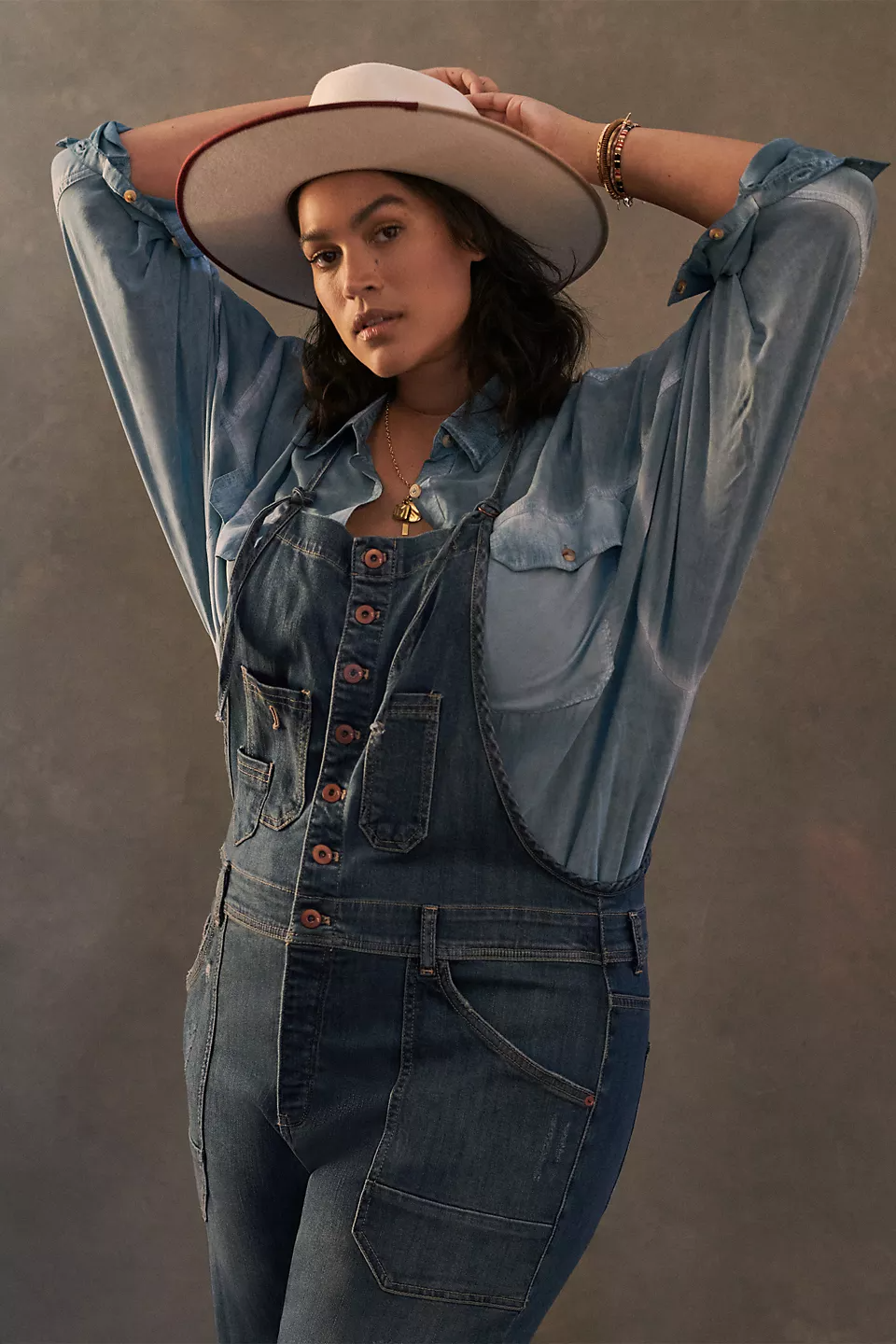
Stay true to the classic style with a never-failing pair of denim overalls.
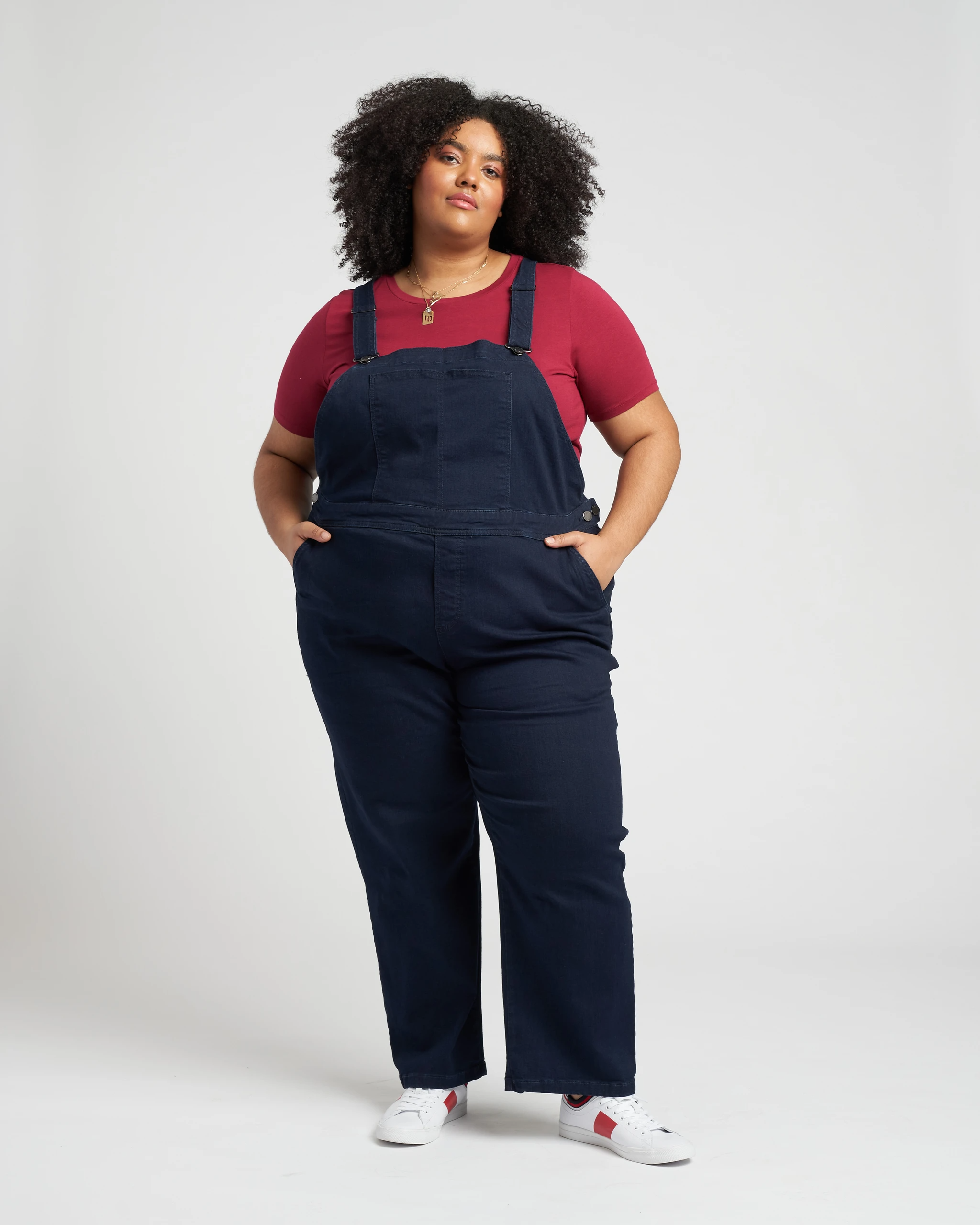
Universal Standard Casey Classic Denim Overalls, $, available at Universal Standard
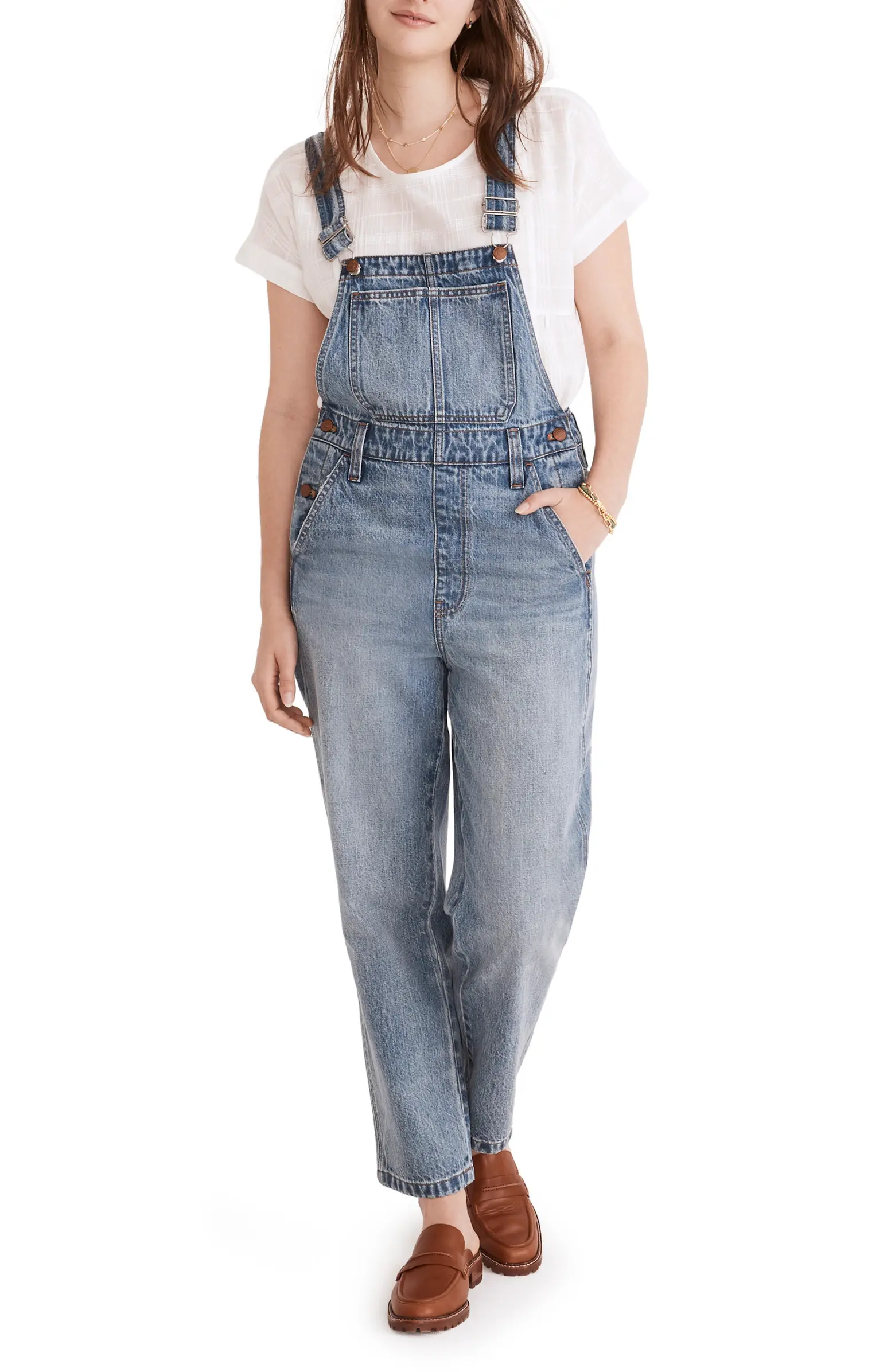
Madewell Straight-Leg Overalls, $, available at Nordstrom Rack
Levi's Vintage Denim Overalls, $, available at Levi's
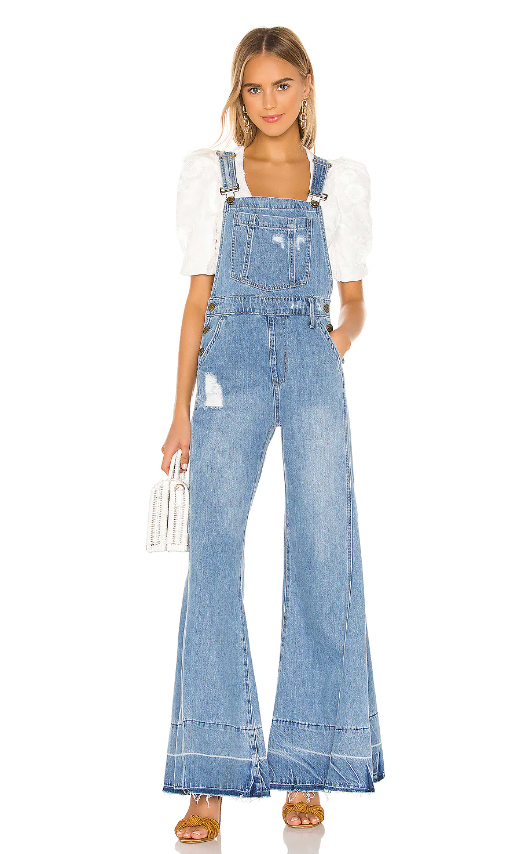
Show Me Your Mumu San Fran Overalls, $, available at Revolve
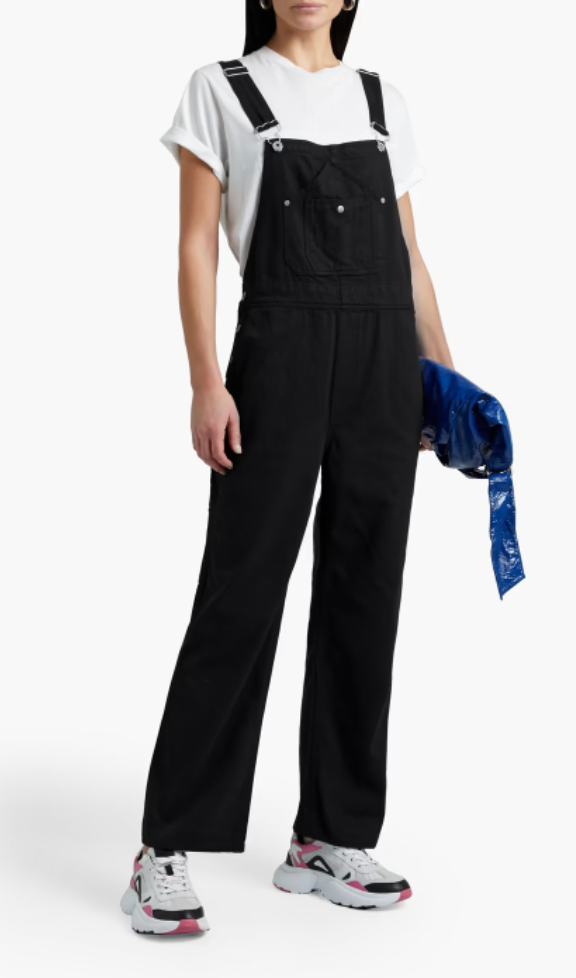
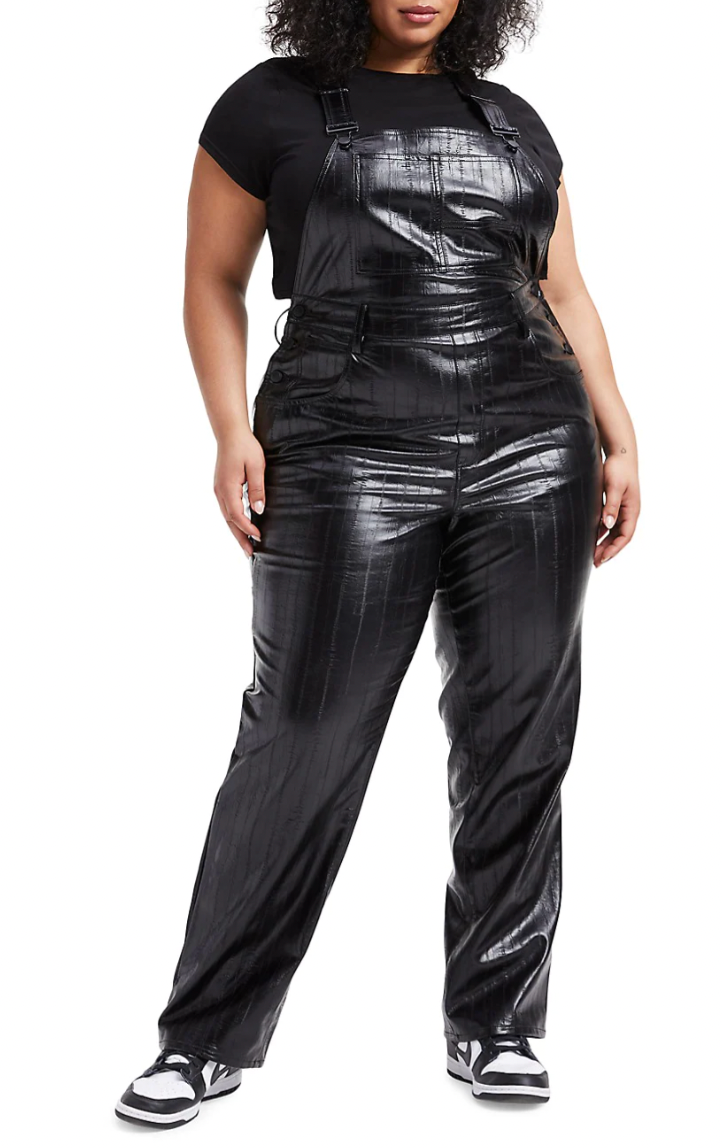
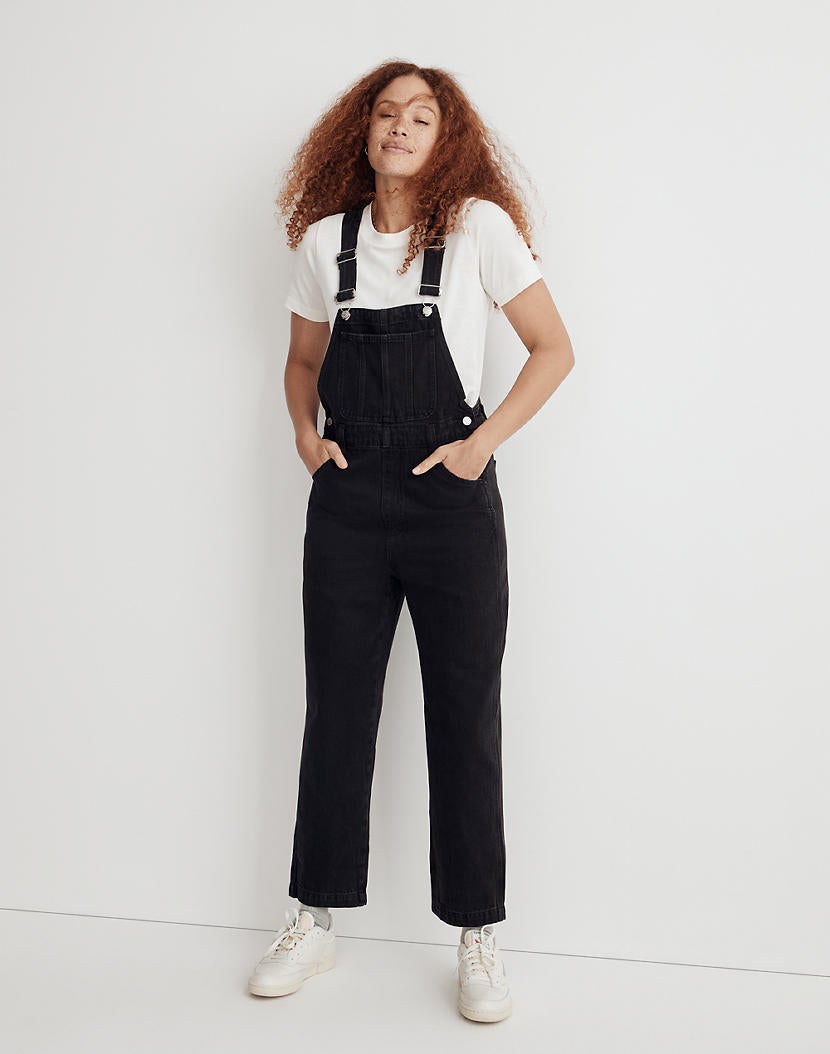
Black Overalls
If baby-blue denim isn't your thing, opt for a black hue that's equally effortless to style with a T-shirt or sweater.
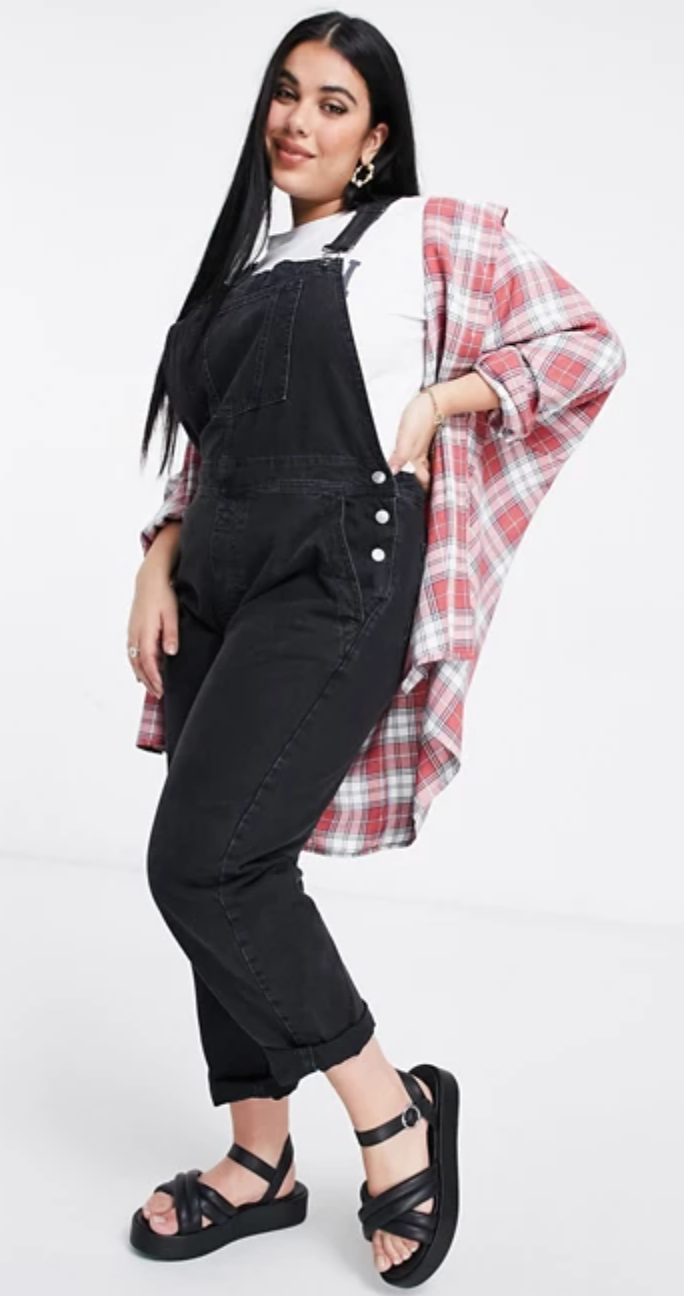
ASOS DESIGN Curve Denim Overalls In Washed Black, $, available at ASOS
rag & bone Workwear Denim Overalls, $, available at The Outnet
Good American Better Than Leather Overalls, $, available at Saks Fifth Avenue
Madewell Straight-Leg Overalls In Lunar Wash, $, available at Madewell
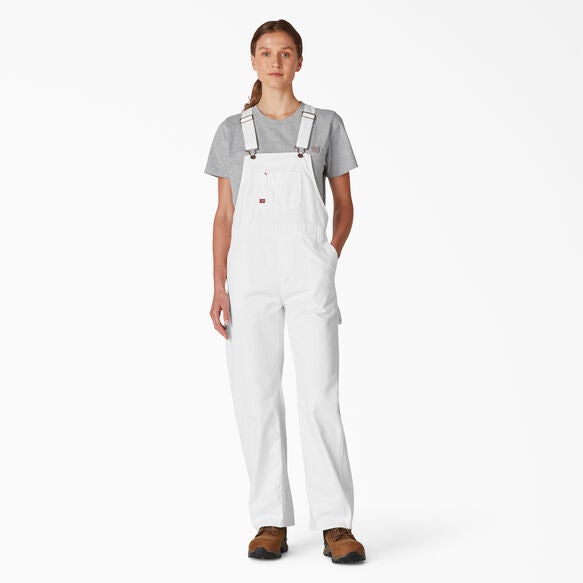
White Overalls
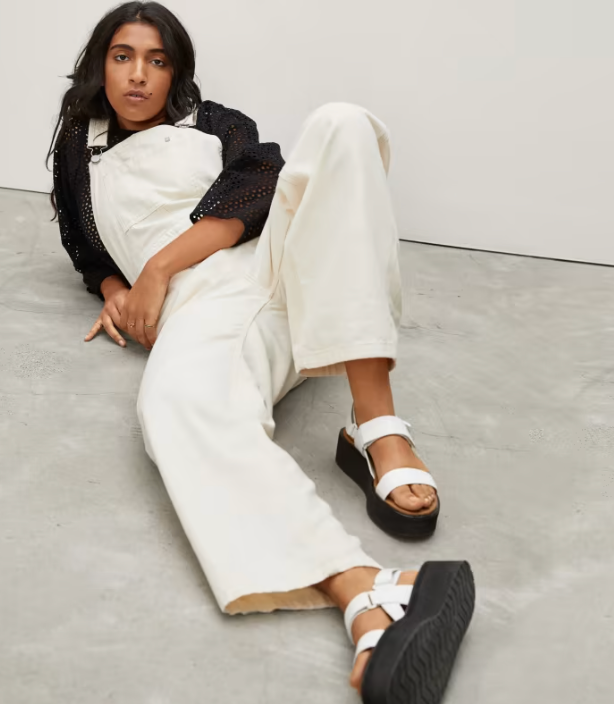
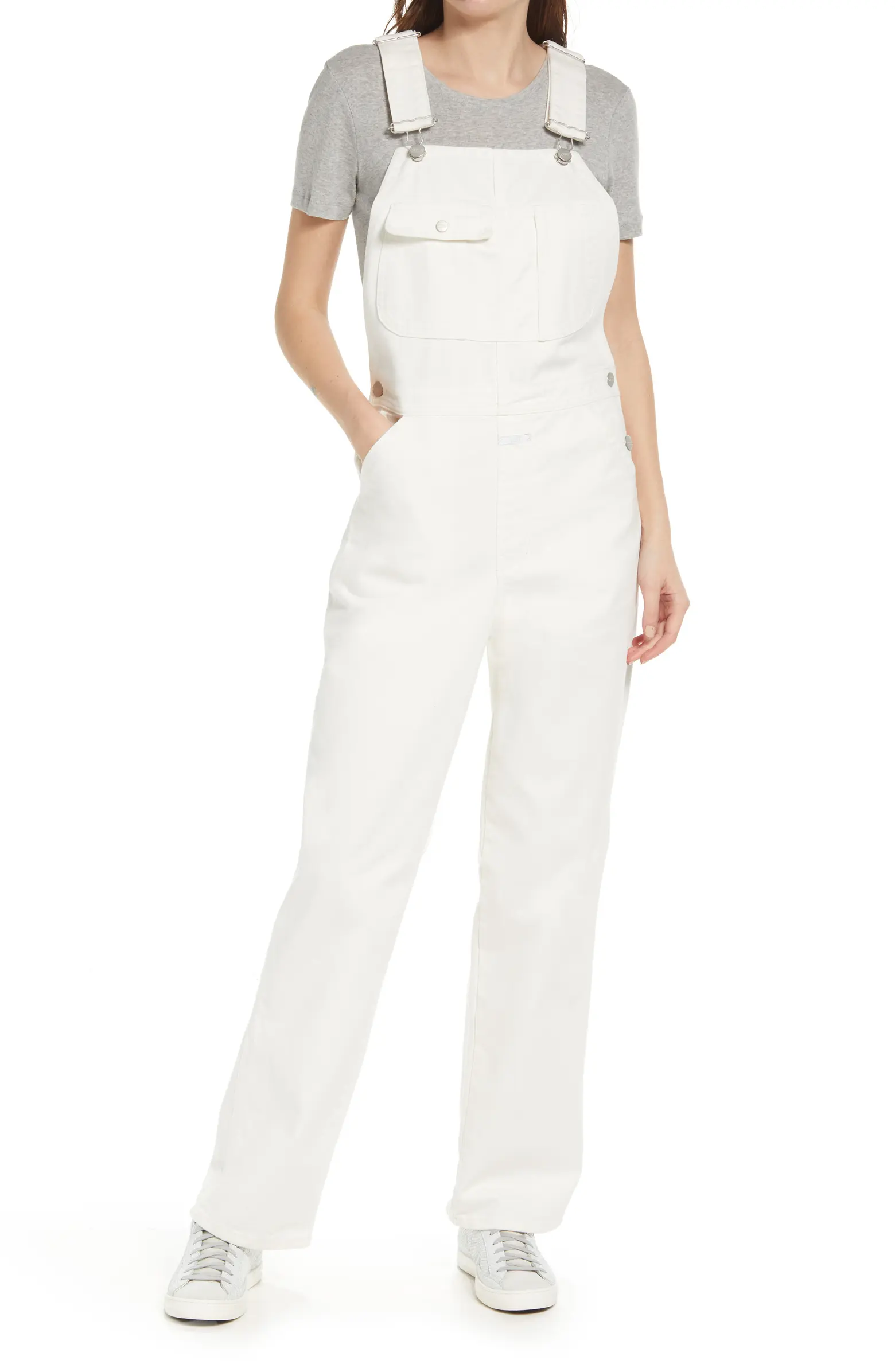
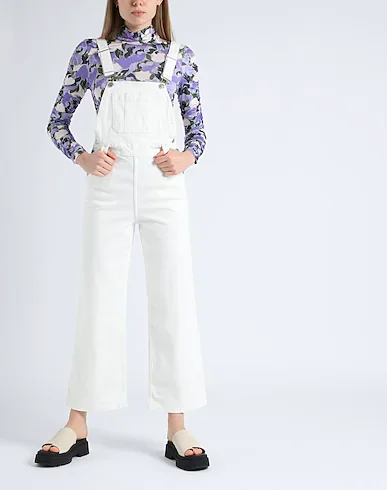
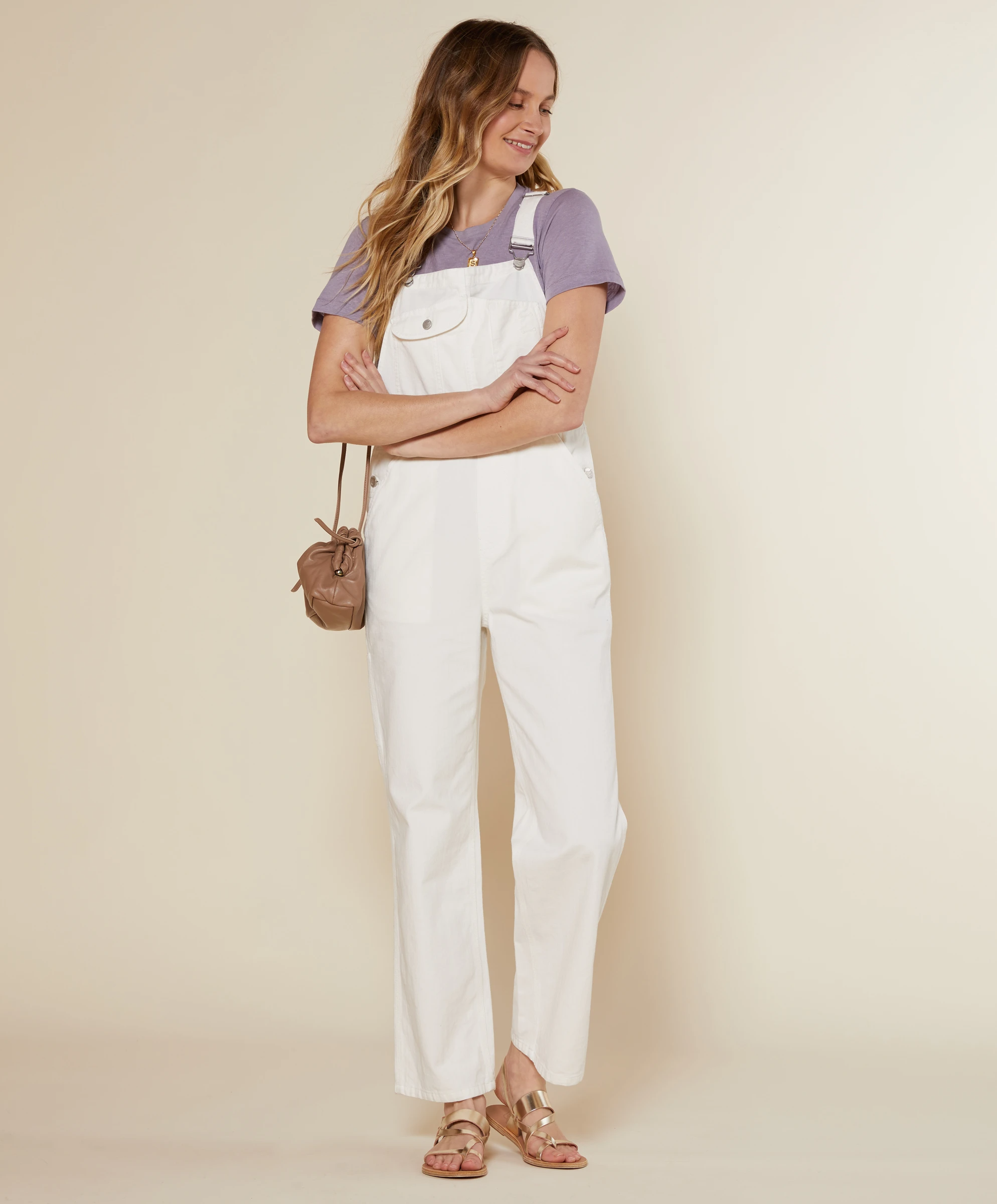
Who said you can't wear white after Labor Day? We didn't. Add a bit of brightness to your everyday look with crisp white overalls.
Dickies Relaxed Fit Bib Overalls, $, available at Dickies
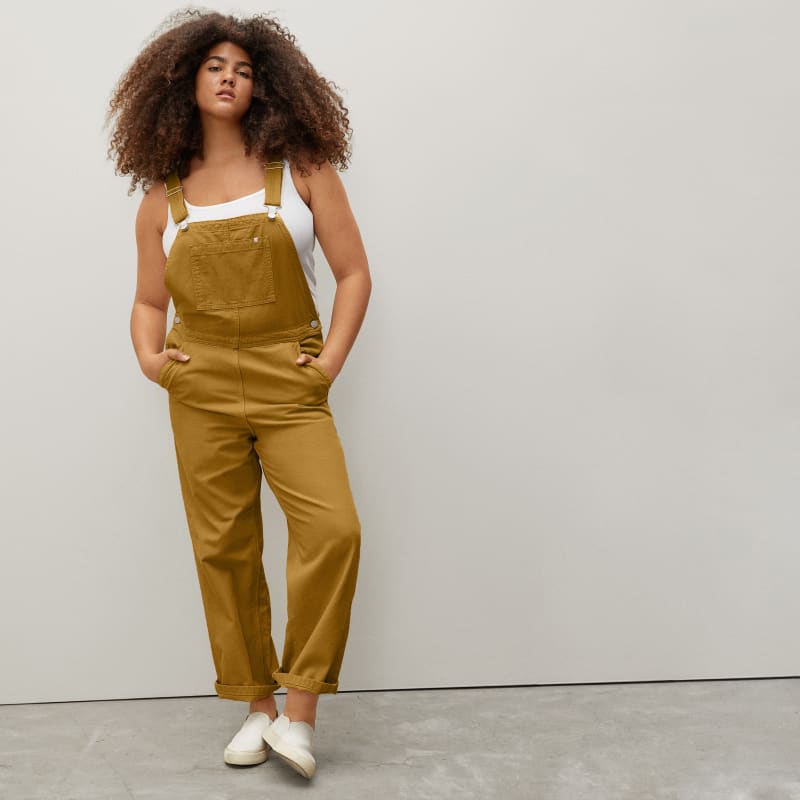
Everlane The Canvas Overalls, $, available at Everlane
Closed Dungaree Organic Cotton Overalls, $, available at Nordstrom
& Other Stories Denim Overalls, $, available at Yoox
Corduroy Overalls
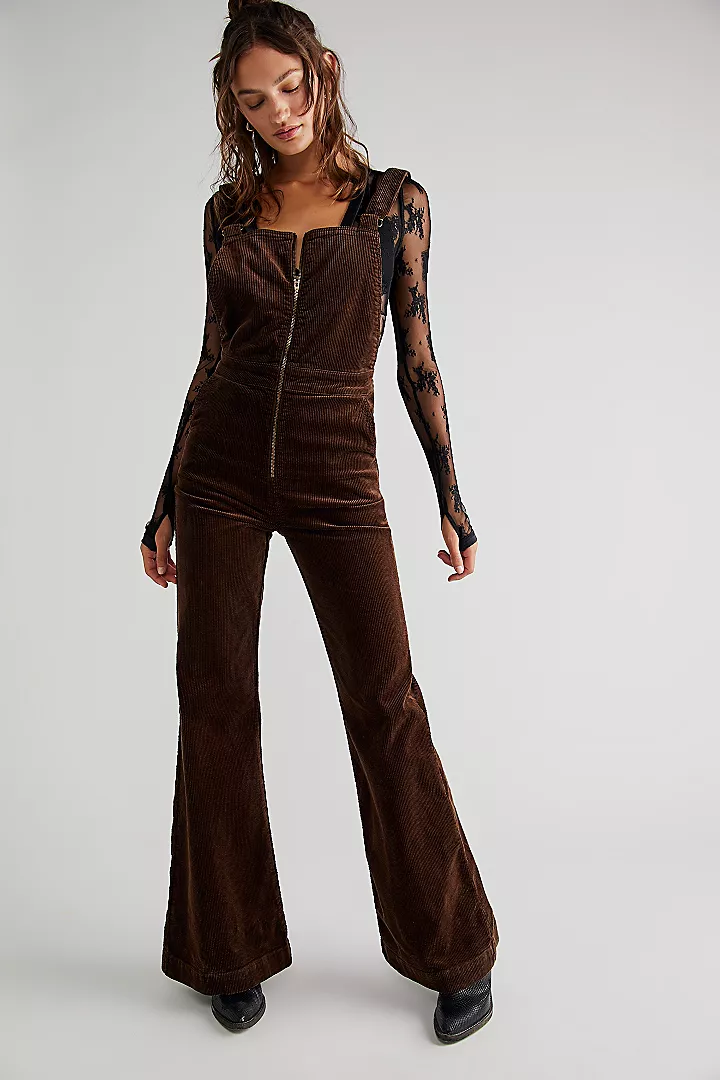
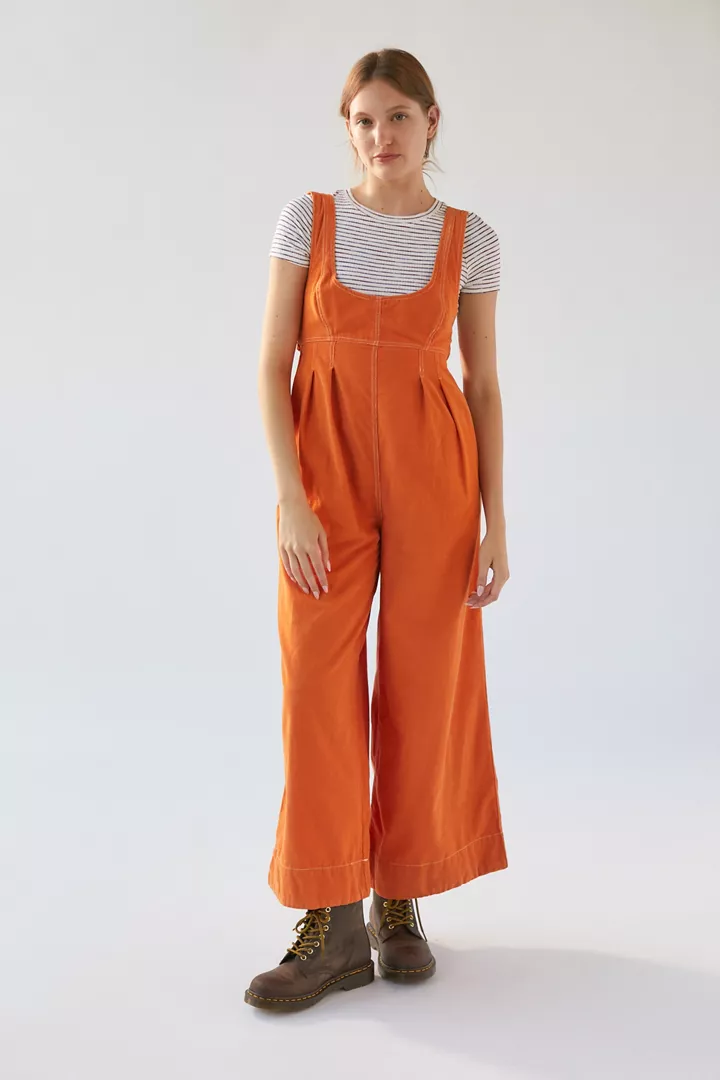
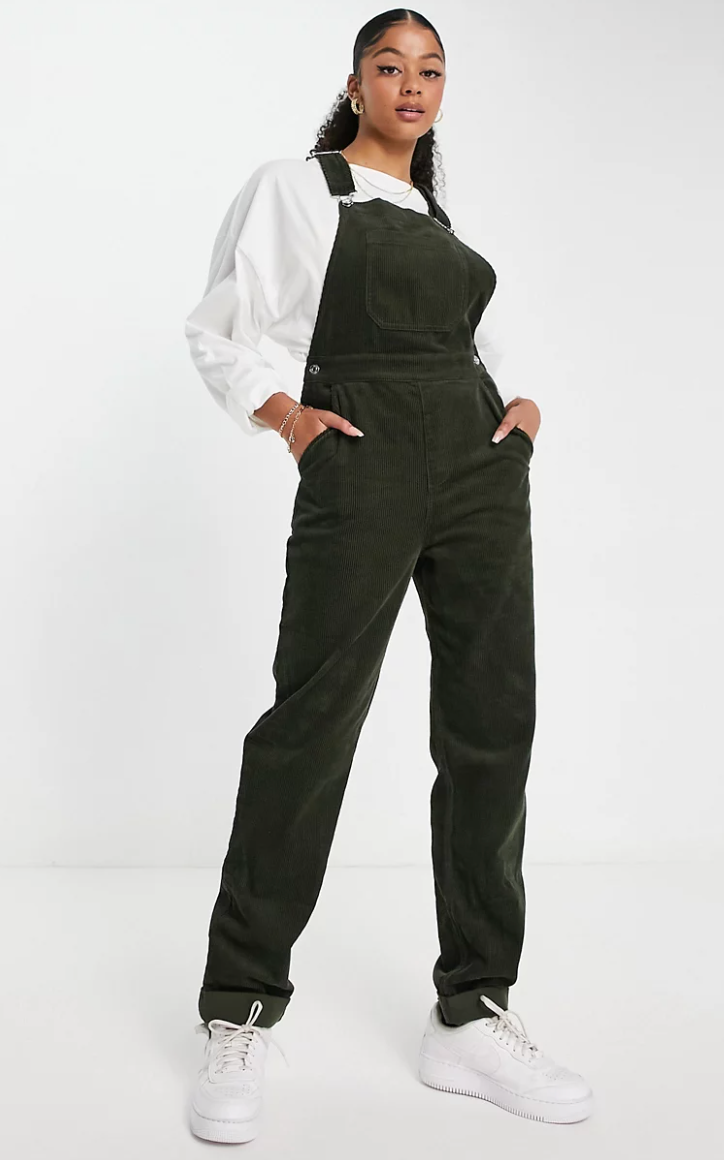
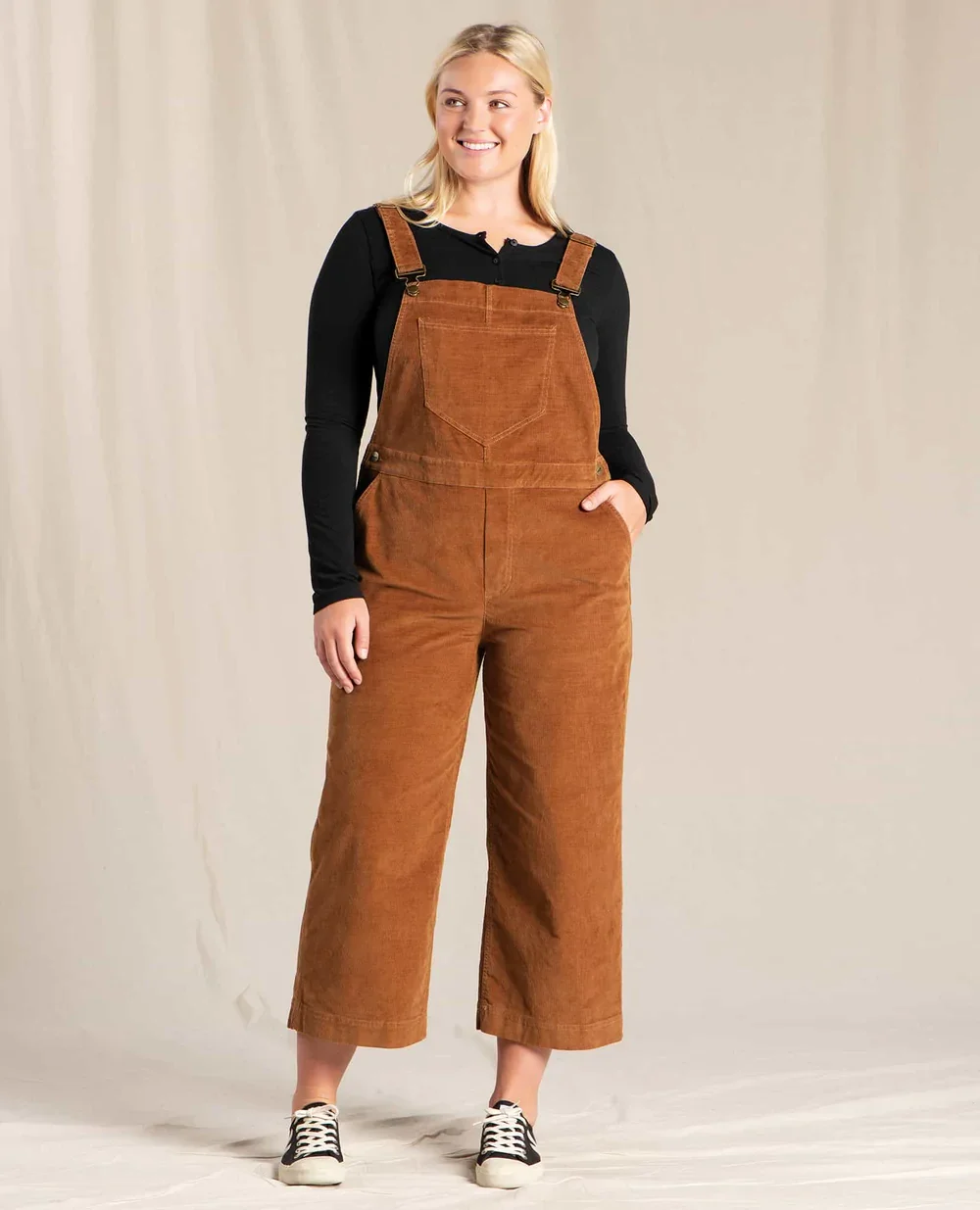
Exude the fully fledged low-maintenance vibe with corduroy overalls. Not only is it easy to clean, but it's durable and adds a bit of style with its soft striped textile.
Rolla's East Coast Cord Flare Overalls, $, available at Free People
Urban Outfitters Shane Corduroy Wide-Leg Overall, $, available at Urban Outfitters
ASOS DESIGN Tall Tall Original Corduroy Overalls In Dark Green, $, available at ASOS
Toad & Co Karuna Cord Wide Leg Overall, $, available at Toad & Co
Funky Print Overalls
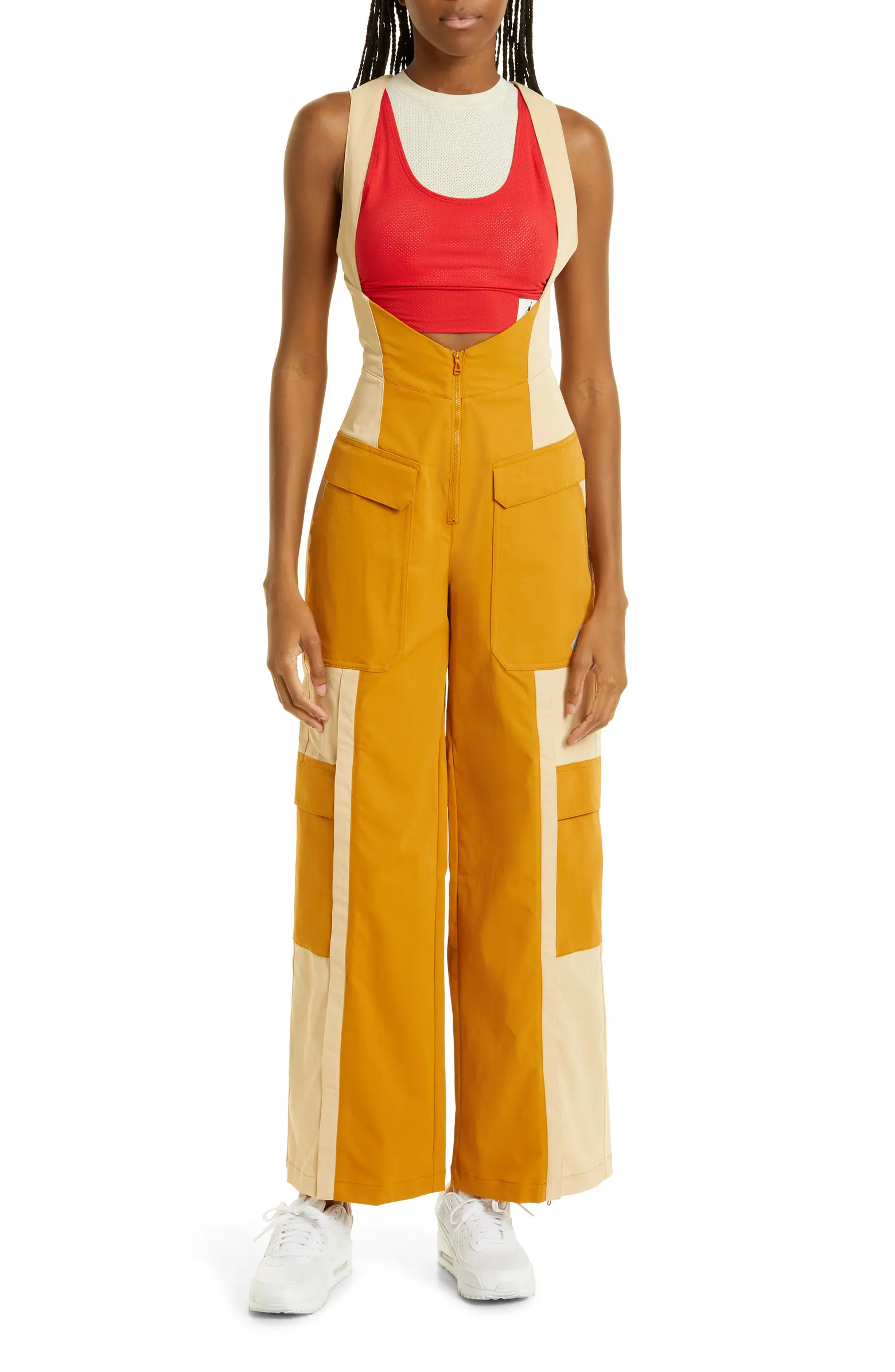
Where are all our whimsical people at? Bring some patterns to your day with funky prints and quirky motifs.
Jordan 23 Engineered Chicago Corset Cutout Overalls, $, available at Nordstrom
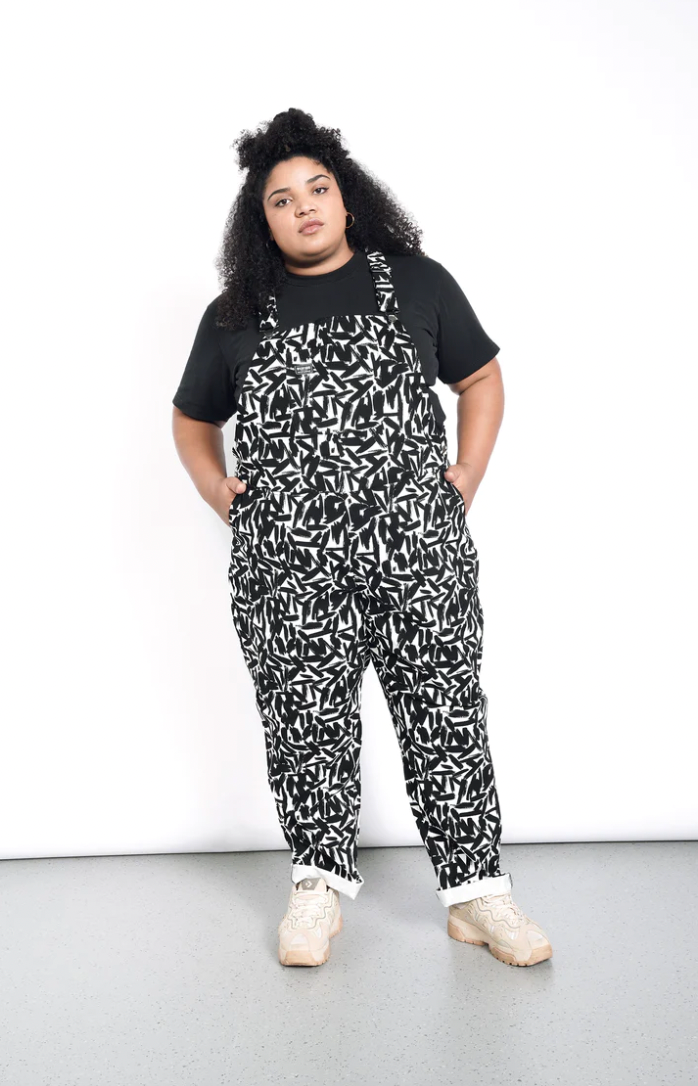
Wildfang The Essential Overall, $, available at Wildfang
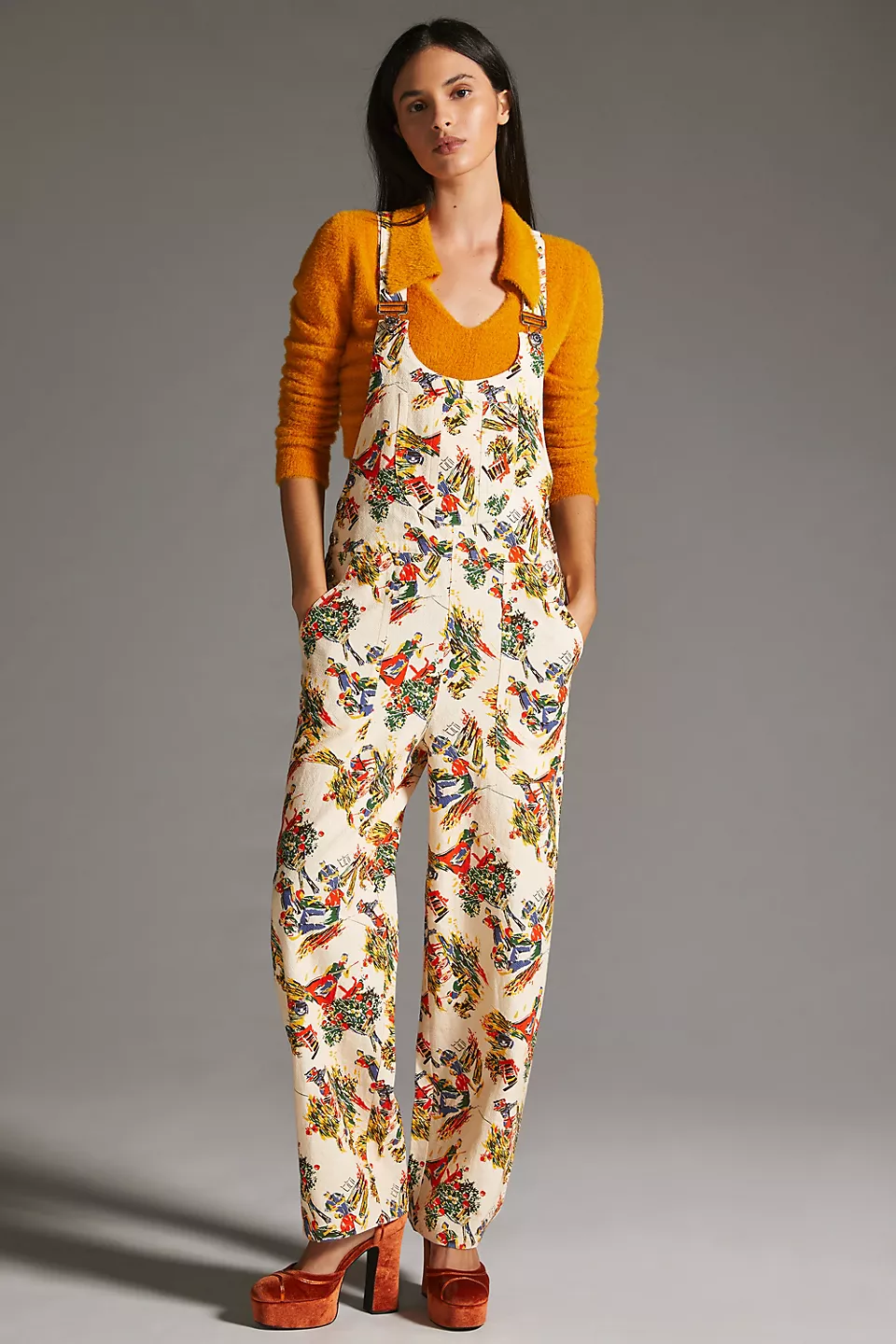
L.F.MARKEY Bryson Dungarees, $, available at Anthropologie
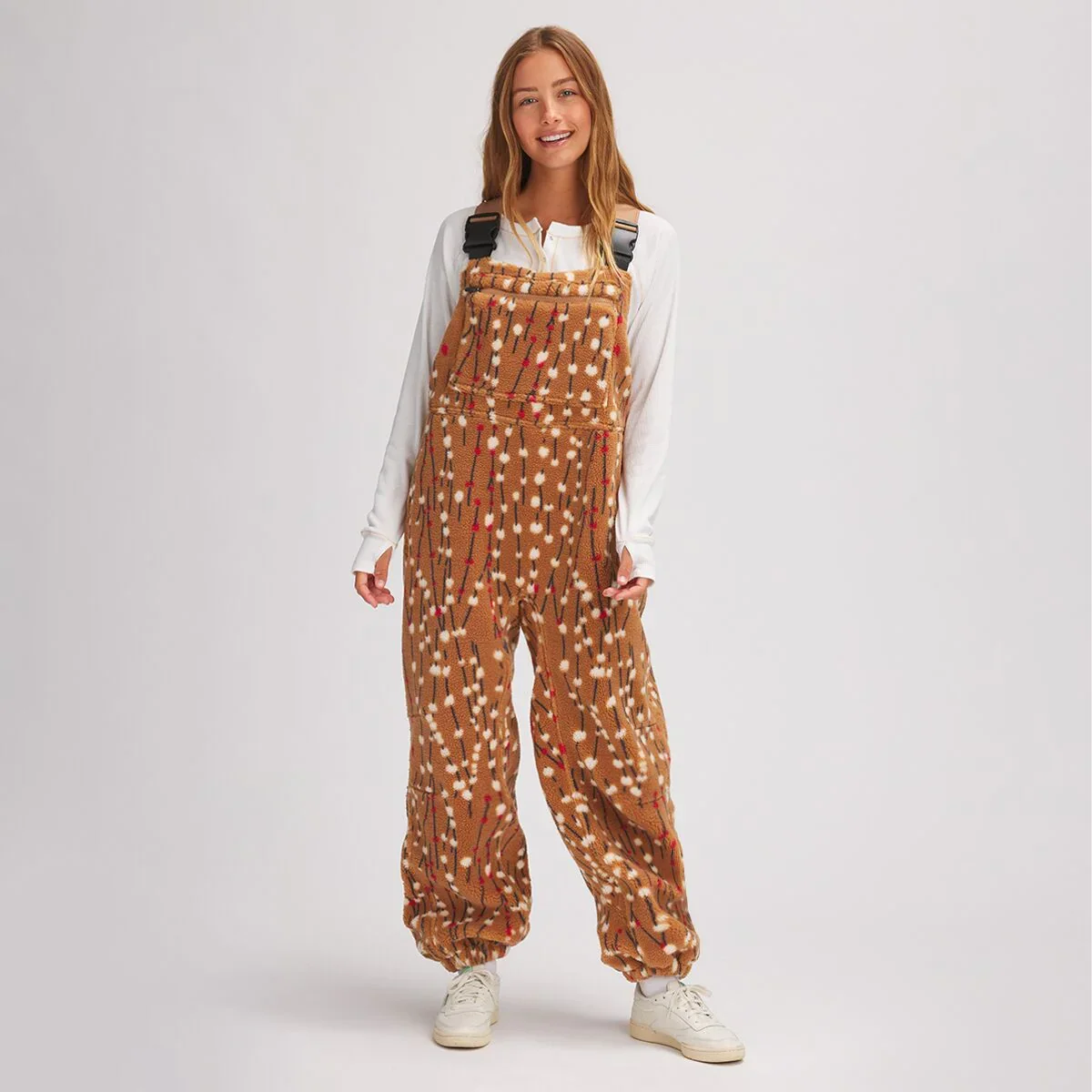
Backcountry Printed Sherpa Overall, $, available at Backcountry
In Refinery29’s Talking Shop series, we’re chatting with owners of up-and-coming small businesses about their experiences launching, the big challenges and wins they’ve faced, and of course, their products and services.
Erin Kleinberg might not be a household name yet, but if you’ve ever perused the closets of stylish folks on the Coveteur, double-tapped a @welovecoco Instagram post, or slipped on two-piece Sidia loungewear set , then whether you’ve known it or not, you’ve interacted with her work. The Toronto native founded three (three!) successful companies by the time she turned 30, but don’t call her a “girlboss”; she is a boss, period.
While those in the know most associate the Toronto native with the fashion business, she actually got her start in media. After interning “here and there” in her 20s at magazines, Erin eventually launched an eponymous apparel brand. While she lacks any formal business training and credits mentorship for helping her blaze a path in the fashion industry, Erin also displayed an early knack for self-promotion and seizing the moment: After spotting Mischa Barton shopping at a Toronto H&M at the height of The OC‘s popularity, Erin gave her a top that Barton was later photographed in. Her designs eventually caught the attention of retailers including Barneys New York, Nordstrom, and Neiman Marcus. Once against showing an ability to tap into the zeitgeist, she went on to launch Coveteur in 2010, inspired by a conversation at brunch after seeing The Social Network. That cemented her status as one of the leading voices in indie media. Next came Métier Creative, a behind-the-scenes agency and collective specializing in all things branding.
And here’s the thing: She’s just getting started. R29 sat down with the entrepreneurial tour de force to chat all things career, in addition to learning about label-to-know Sidia, what Kleinberg refers to as her “most personal project yet.”
Tell me about how the Coveteur came about.
My friend Steph [Mark] and I decided to create a hub for all things style, personal and home… We wanted to take you inside people’s homes and see what were the outfit options they could have worn that day. We ended up shooting six core people that we launched with and even before we launched, got partnerships with Vogue and Elle. And that day we like closed the internet, like it shut down! (Laughs) Everyone was writing about it because it was right as social media was starting. And so people were really voyeuristic and they wanted to see into other people’s lives.
Totally. That sort of hyper-personal, intimate content was not really a thing yet at the time.
I think that helped propel my career for sure. We started something that was truly shifting the cultural zeitgeist and was revolutionary in its own right. So that was a big career moment for me. Then I left in 2014 and came back to my clothing line, which is where I met Alex [Assaraf]. It was awesome to work with the same partners again, but as a creative entrepreneur, you’re always thinking about what’s next. What’s the next move? What’s my next hustle?
Which brought you to your next adventure, Métier Creative.
I partnered with one of my old employees from the Coveteur and we decided to launch an agency. It all really started with Jen Atkin, who was like, “I’m launching this hair care brand. Does anyone know a social media consultant?” And [Jen] was like, Hell yeah, let’s do it. Going for what you want is a huge part of my [career] journey.
“Education is a huge pillar for me as an entrepreneur. It never stops and there’s always growth.”
erin kleinberg
It’s so impressive that you lived so many lives at such a young age. There’s so much pressure to have formal training or to have everything figured out beforehand, all of which can be so intimidating.
Totally. But I think there’s pros and cons, right? Some of my business school friends almost have too many guard rails to think like an entrepreneur, and then sometimes you just throw yourself into it. And then you learn by doing and by experience. It really truly depends on like your DNA, but I think for people like me, it’s built-in.
So finally, let’s talk about your latest brand, SIDIA.
The beginning started pretty dark, I will say. It was early 2020. And we had investors in Métier that I actually decided to buy out. We were ready to rumble like February or March, with full autonomy, Métier solely mine. And then the pandemic hit. The same week we got shut down from COVID, my grandmother of 79 years, Sidia, passed away from stomach cancer.
That must have been so difficult.
It was this whole discombobulation of Sidia passing and my grief and we’re locked up and everything. But it made me realize that I needed a new creative outlet for my grief, for my life. And I thought, what better than to build this brand in Sidia’s name and in her honor to create this legacy, much like all the legacy brands I’ve worked with in the past. I’ve studied Coco Chanel endlessly for years.
I love building brands. I love working with founders, but I wanted to do this again for myself and create my most personal project yet. The entire brand acts in honor of the blueprint herself, Sidia, and in the simplest form, she created this sense of comfort for me. We started with apparel because that was a world that we knew, but we knew that we wanted to be in beauty, lifestyle — in that realm. After all, we’d been building beauty brands for years with all these brilliant founders and brands. Sidia is a lifestyle play on making you feel that comfort, inviting you to own your space and time in your bathroom and your oasis.
Tell me a bit about the funding process for Sidia. What was it like getting the business off the ground?
Funding is hideous. I can’t sugarcoat it. You have to tell yourself a couple of things: First, I’m gonna have so many conversations, until I’m blue in the face. Second, you’re gonna hear the word ‘no’ so many times. And third, and I think this is the most important, is that it’s going to happen, but not exactly the way you thought it might. Another female entrepreneur said that to me and I was like, Damn, really? You see in the media all these [startup] darlings. For every unicorn, there’s thousands of women slugging along trying to figure out where their next check’s gonna come from.
Cosign all of that.
I think one of the most important things is to build a wonderful angel network. A 10k check here, a 10k check there, and you can get to 250 or whatever you need. Also, investing in other women is really important. It’s going to take so much longer than you think, and you have to be creative: Kickstarter, angels, friends, and family. Go to the people that believe in you the most to start.
What has been your biggest business win?
My biggest win is my team. That goes without saying. There’s almost 20 women who work across Sidia and Métier, and a lot of them have been here for a long time. I think that’s a true testament to what we’re building and how we’re constantly growing together. It takes a village. If I don’t have the team, then I don’t have anything. I can’t do anything but myself. People always say this, but hire people who are smarter than you. Make sure they have different strengths than you. My M.O. is like, communication is collaboration, it’s community, and it’s really just trying to get to higher heights together.
What about your biggest challenge so far?
I think it’s really important for people to understand that being an entrepreneur comes with so many hardships, you know? It looks glossy on Instagram, but it is so fucking hard. Almost every day, a door gets slammed in your face, but then you wake up the next day and it’s the resiliency that makes you come back to life. And honestly, becoming a mom. It was an extraordinary win, but also an extraordinary challenge in just trying to manage time. I have two kiddos and it’s hard because your mental capacity is stretched in so many different ways. So I think that that’s a challenge I’m continually trying to work on.
Your career has spanned fashion, media, creative, and now Sidia, which I feel encapsulates so much of who you are.
My goal is to really put my grandmother’s name in lights. She was embarrassed by her name, and there’s going to be Sidia stores in Paris, Milan, London that really champion that connection to the matriarch. That’s huge for me. I’m all about good, healthy, responsible, sustainable growth and I want to keep going. It’s okay to be ambitious; I want Sidia to be a hundred-million-dollar brand. We look to the Sarah Blakeleys, and even Nili Lotan — she built a hundred-million-dollar brand without one investment.
Your career journey is so unique, but you’re also actively investing in other startups as well. Why is that something you’ve continued to be passionate about?
I feel like investing in women-led companies actually puts my money where my mouth is and allows me to support on a deeper level. It’s critical to try to invest in each other in any way we can and obviously for people who are in a position to invest, it’s a really great way to support the community. I’m just super obsessed with the whole world of funding, and when I got the opportunity to start investing in other people’s companies — first of all, I loved that they were coming to me; I think that’s great. Obviously, the other businesses I invest in are different [than my own] but it’s really nice to just see entrepreneurs shine. One of my big pillars has always been mentorship. I am where I am today because of mentorship and so I’m super passionate about giving back to the community and speaking to young women coming out of university or speaking to someone who has an idea [for a company]. We have to inspire each other, we have to uplift each other and when other people win, we win, and vice versa. It’s all about that connection.
At Refinery29, we’re here to help you navigate this overwhelming world of stuff. All of our market picks are independently selected and curated by the editorial team. All product details reflect the price and availability at the time of publication. If you buy or click on something we link to on our site, Refinery29 may earn commission.
Like what you see? How about some more R29 goodness, right here?
Over the course of the past week, women have taken to social media to share their stories of strength, perseverance, and identity, from being fat-shamed throughout their youth to navigating and escaping toxic relationships, all in hopes of becoming members of the Good American #GoodSquad as part of its fifth annual Open Casting.
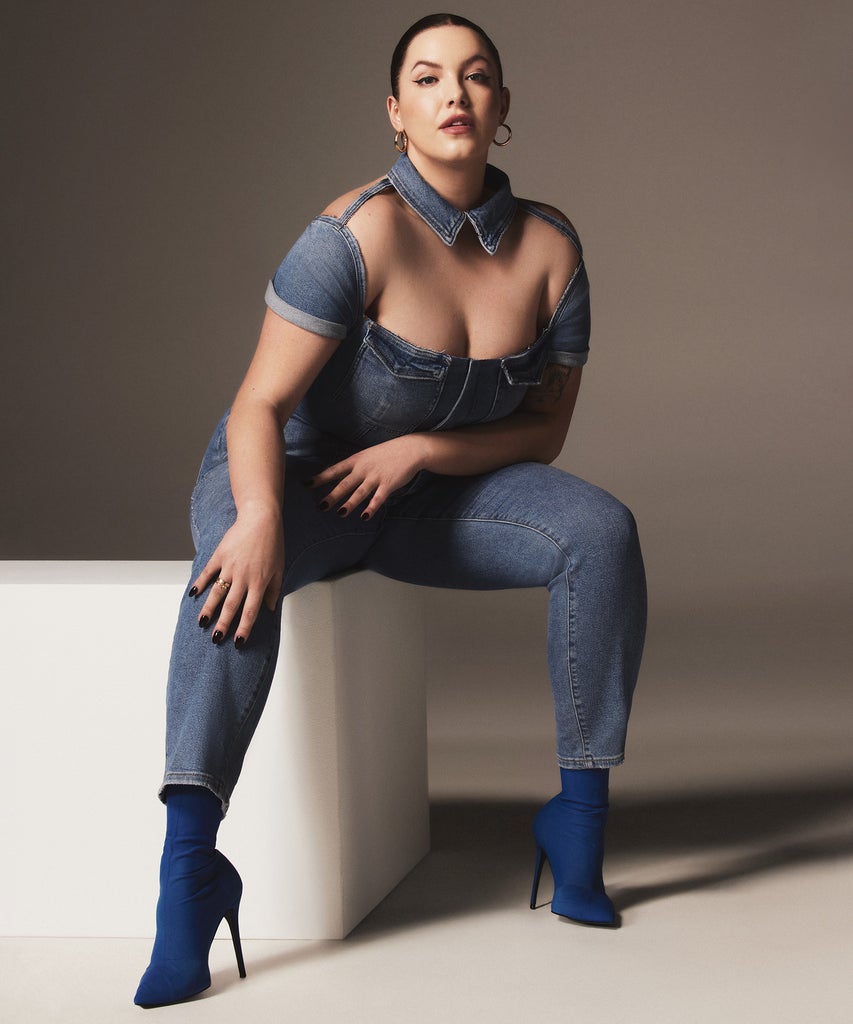
A central part of the fashion brand — founded by Emma Grede and Khloé Kardashian in 2016 — since its start, the annual casting call allows shoppers across the size spectrum — with or without prior modeling experience — to apply to model for Good American. Winners go on to not only be featured in the brand’s spring campaign but receive modeling training courses through Natural Models, with the opportunity to get signed on.
By leading the way in making models of various shapes and sizes central to its imagery, the brand has attracted a loyal customer base.
“In this industry, curve-washing and tokenization have become the norm,” says fashion influencer and editor Bella Gerard. “To me, Good American’s body representation feels genuine. Their campaigns feel inclusive, and I think that’s why shoppers like myself are so happy to sing the brand’s praises.”
“The Open Casting is probably the thing that I get DMs or stopped in the street about the most because people get to see a version of themselves [represented],” says Grede, who recently made Entrepreneur’s 100 Women of Influence list.
According to her, in the beginning, Good American “had no choice but to do Open Casting,” given the lack of visible plus-size models. While back then, curve models were slowly being integrated into top agencies like IMG, representation was scarce, especially in e-commerce. Clothing was often showcased on straight-size models, even when plus-size offerings were available, as many failed to recognize the importance of including multiple body types. While the pool of professional and fit model talent has grown exponentially since then thanks to fashion’s new embrace of size inclusivity, Grede believes that “putting the spotlight back on our customers [continues to] allow us to reach a super diverse group of women.”
This also has to do with the products. Among the most prominent pain points for plus-size shoppers is the search for well-fitting denim. With this in mind, Good American has spent the past six years refining its process by using real customers as fit models and experimenting with new sizing methods.
“I positively dread buying jeans, but I’ve never had a negative experience shopping Good American,” Gerard says. “That’s not to say every pair I try fits like a glove, but it’s more about the experience. High-end denim retailers can often give off exclusive vibes but the Good American site feels especially welcoming, providing ample information about style and fit and including a wide range of models on site.”
She is not alone. According to Good American — which offers styles in sizes 00 to 32 — 27% of its customers are currently shopping plus-size offerings. Since 2021, the demand for extended sizes grew by more than 50%, with products from the Always Fits category — positioned as being able to stretch up or down four sizes (say, size 14 to 18 or 28 to 32) — topping the list. This isn’t the only instance when Good American has created its own sizing: In 2018, the brand launched a size 15 to try and alleviate the frustrations that size 14 and 16 customers were having, which Grede told Harper’s Bazaar at the time was caused by switching from a straight-size to plus-size pattern during production.
To Grede, this type of innovation has been key to success. “Depending on the time of the month, depending on the stage of your life, you’re changing sizes a lot,” says Grede. “We’ve always been heavily data-driven and very analytical about the way we approach anything.” While Grede says that the brand is always working on “finding solutions” to improve fit, ultimately “there’s no one-size-fits-all — it’s really about doing something that works for different body types.”
Indeed, as successful as Good American has been at creating clothing for many body types, currently, it’s not a complete fit-all answer.
“I ordered a bunch of Good American jeans when I was doing my Jeans Science reporting last year,” says Virginia Sole-Smith, author of the Burnt Toast newsletter. “One pair was worth road-testing — by which I mean I wore it with the tags on for a day around my house — but stretched out really fast.” Sole-Smith credits that to being “what women’s magazines call an ‘apple’ shape — wider in the middle, thinner in my legs,” a body type often overlooked in favor of an hourglass figure, the most common curvy body type represented in fashion.
While the goal has always been to cater to as many women as possible — with the slogan being “representing body acceptance” — Grede is aware of how much further inclusive the brand can grow to be: “We don’t get everything right straight off the bat, but I think one of the things that we’ve done best is just [continue to] listen to customers.”
That’s precisely why the brand has focused on overlooked consumers and providing products like plus-size denim and shoes with extended widths for feet, calves, and thighs. The brand may not be perfect for every body — or for those who refuse to shop it because of Kardashians’ history of controversial behavior that has ranged from advertising diet pills to being accused of fat-shaming — but for those who have finally found fashion-forward jeans that fit after years of ill-fitting denim, according to stylist Kam Throckmorton, it has become a “game-changer.” (Good American declined to comment on the criticism regarding Kardashian’s involvement in the brand.)
“My first interaction with the brand was while I was shopping for a client in Nordstrom and found a size 20 mixed in with the rest of the straight-size jeans,” says Throckmorton. “Of all of the brands I have worked with, it is the one that has brought several of my clients to tears because they felt so good in their jeans. I’ve had more than one clients say, ‘I don’t care how much these costs, I want several pairs.’” (Jeans from Good American range from around $90 to $160.)
In 2016, when plus sizes were frequently separated from straight sizes or not carried in-store at all, Grede fought for the entire jeans size range to be offered together at Nordstrom stores. “I outlined the opportunity to serve a customer that wasn’t currently shopping at Nordstrom and was super upfront and clear about our priorities. This essentially meant they would have to re-merchandize their women’s section — and we understood how huge of an ask that was — but it was non-negotiable for us,” she told Refinery29 in July. “The undertaking proved to be a success that inspired Nordstrom to rethink their sizing merchandising strategy across all stores and all brands nationwide.”
“I was encouraged when I found out that Good American would not sell to retailers unless they carried the entire size range,” says influencer Callie Richards. “This was encouraging for me as a shopper who’s looking for more brand experiences like this.”
Looking to the future, Grede hints that Good American will continue to experiment and invent new fit policies to best serve its customers. “When you make a product that works, people feel immediately seen and heard,” she says. And it won’t stop there: Having recently launched a Good American collaboration with Zara, which notably expanded the Spanish brand’s sizing from XL to 5XL, she hints at another in-store collaboration coming soon.
The technology to invent a one-size-fits-all jean may be a fantasy right now, but for those who Good American has served so far, the feeling is nothing short of a dream.
Like what you see? How about some more R29 goodness, right here?